
Fitness Trackers Reviewed: Finding the Right Wearable for Your Activity Level
Fitness trackers promise to help you move more, sleep better, and understand your health patterns. But with hundreds of models available and marketing claims that often oversell what these devices can actually do, choosing the right one requires cutting through the noise.
The core appeal of fitness trackers is straightforward: they provide objective data about your daily movement, heart rate, and sleep. This information can be genuinely useful if you’re trying to establish healthier habits, track workout consistency, or simply become more aware of how active you actually are throughout the day. However, these devices have real limitations that manufacturers don’t always emphasize.
This guide examines five fitness trackers across different price points, from budget-friendly bands to feature-rich smartwatches. Rather than making claims about personal testing we haven’t done, we analyzed thousands of verified customer reviews to identify consistent patterns in what works, what doesn’t, and who each device serves best. You’ll also find practical information about what these devices can and cannot measure accurately, when investing in one makes sense, and when your money might be better spent elsewhere.
Whether you’re considering your first fitness tracker or replacing an older model, this analysis will help you understand the trade-offs between price, features, and actual usefulness for different activity levels and goals.
- Understanding Fitness Trackers and Their Limitations
- How the Technology Works
- Accuracy Considerations
- When Fitness Trackers Add Value
- When They Don't Add Value
- What to Consider Before Buying a Fitness Tracker
- Material Quality and Durability Indicators
- Battery Life Reality Check
- Price Tier Breakdown
- Red Flags to Avoid
- Understanding Fitness Trackers and Their Limitations
- What to Consider Before Buying a Fitness Tracker
- How We Evaluated These Products
- Fitness Trackers Analyzed: 5 Models Across Different Price Points
- Side-by-Side Comparison
- Making the Right Choice for Your Needs
- When a Fitness Tracker Isn't the Answer
- Maintaining Your Fitness Tracker
- Frequently Asked Questions
AFFILIATE DISCLOSURE
WowWants participates in the Amazon Associates Program and other affiliate programs. We earn commissions when you purchase through links in this article at no additional cost to you.
Our Promise: We only recommend products we believe offer genuine value based on customer reviews, specifications, and comparative analysis. Commission rates do NOT influence which products we recommend. Our goal is to help you make informed purchasing decisions.
For complete details about our affiliate relationships and product selection process, please read our Affiliate Disclosure Policy.
Understanding Fitness Trackers and Their Limitations
What Fitness Trackers Actually Measure
Fitness trackers are wearable electronic devices that use accelerometers, optical heart rate sensors, and algorithms to estimate various health metrics. Most models track steps, distance traveled, calories burned, heart rate, and sleep duration. Higher-end models add GPS tracking, blood oxygen saturation (SpO2), stress level estimates, and workout-specific metrics.
The key word here is “estimate.” These devices are not medical equipment and should never be used for diagnostic purposes. They provide approximations based on sensor data and proprietary algorithms that vary significantly between manufacturers.
How the Technology Works
The core technology in most fitness trackers includes:
Accelerometer: Measures movement in three dimensions to detect steps, activity intensity, and sleep movement. This is the primary sensor in budget models.
Optical Heart Rate Monitor: Uses LED lights that shine into your skin and measure how much light reflects back. Blood flow changes light reflection, allowing the device to estimate heart rate. Accuracy varies based on skin tone, tattoos, fit, and movement.
GPS Module: In models with built-in GPS, the device tracks your location during outdoor activities to measure distance and pace without needing your phone nearby.
SpO2 Sensor: Uses similar optical technology to estimate blood oxygen saturation, though consumer-grade sensors are less accurate than medical pulse oximeters.
Accuracy Considerations
Research shows fitness trackers are reasonably accurate for step counting (within 10-15% margin) under normal walking conditions but less reliable during activities like cycling, swimming, or strength training. Heart rate accuracy is generally good during rest but can vary significantly during high-intensity exercise.
Calorie burn estimates are the least reliable metric, often overshooting actual expenditure by 20-40%. These calculations rely on generic formulas that may not account for your individual metabolism, body composition, or fitness level.
Sleep tracking faces similar limitations. While devices can distinguish between movement and stillness, they cannot truly measure sleep stages without brain wave monitoring. What they call “deep sleep” or “REM sleep” are educated guesses based on movement and heart rate patterns.
When Fitness Trackers Add Value
Despite these limitations, fitness trackers serve several useful purposes:
Trend Tracking: Even if individual readings aren’t perfectly accurate, tracking changes over time can reveal useful patterns. If your resting heart rate drops over several months, that likely indicates improved cardiovascular fitness, even if the exact number is off by a few beats.
Activity Awareness: Many people significantly overestimate how active they are. A tracker provides objective data that can be eye-opening, especially for desk workers who might move less than they realize.
Habit Reinforcement: Regular notifications to move, visual progress toward goals, and achievement badges can support behavior change for some personality types. The effectiveness varies greatly between individuals.
Workout Documentation: For runners, cyclists, and other endurance athletes, GPS-enabled trackers provide detailed route maps, pace data, and performance metrics that help with training consistency.
When They Don’t Add Value
Fitness trackers are tools, not solutions. They won’t create motivation that doesn’t already exist, and they can’t replace good nutrition, adequate sleep, or stress management. Some people find constant monitoring stressful or develop unhealthy obsessions with hitting arbitrary numbers.
If you already know you’re sedentary and the problem is motivation or life circumstances rather than awareness, a tracker likely won’t change that. Similarly, if you’re already active and consistent without tracking, adding one may provide interesting data but won’t necessarily improve your results.
What to Consider Before Buying a Fitness Tracker
Understanding Your Actual Needs
Before comparing features, consider what you actually want to track and why. Someone training for a marathon has different needs than someone trying to remember to stand up during the workday.
For Basic Activity Awareness: If your goal is simply to move more throughout the day and develop awareness of sedentary periods, nearly any tracker with step counting and movement reminders will suffice. Spending extra for advanced metrics you won’t use doesn’t add value.
For Workout Tracking: If you run, cycle, or do specific workouts regularly, built-in GPS and sport-specific modes become more important. Look for models with good GPS accuracy reviews and the specific workout modes you’ll actually use.
For Sleep Insights: All trackers attempt sleep tracking, but effectiveness varies. If sleep tracking is a priority, focus on models with good reviews for comfortable overnight wear and apps that present sleep data clearly.
For Health Monitoring: Some trackers include ECG, irregular heart rhythm notifications, or blood oxygen monitoring. These features can be useful but remember they’re screening tools, not diagnostic equipment. If you have health concerns, consult a physician rather than relying on wearable data.
Material Quality and Durability Indicators
Band Construction: Silicone bands are common, durable, and waterproof but can irritate sensitive skin during extended wear. Check reviews for skin reaction reports. Fabric bands are more comfortable but may absorb sweat and odor over time.
Screen Protection: Models with raised bezels around the screen offer better protection from scratches and impacts. Touch-screen models with exposed glass are more vulnerable.
Water Resistance Ratings: Water-resistant to 50 meters (5 ATM) is suitable for swimming. Lower ratings mean splash-proof but not submersion-safe. If you shower or swim with your tracker, verify the rating meets your needs.
Charging Mechanism: Proprietary charging cables are common but problematic if lost or damaged. Models with standard charging methods or extremely long battery life reduce this concern.
Battery Life Reality Check
Manufacturer battery life claims typically reflect ideal conditions with minimal feature use. Real-world battery life is often 30-40% shorter, especially with always-on displays, continuous heart rate monitoring, and frequent GPS use.
1-2 Days: Common with full-featured smartwatches running multiple apps and bright displays. Requires near-daily charging.
5-7 Days: Standard for mid-range fitness trackers with moderate feature sets and smaller screens.
10-14 Days: Achievable with basic fitness bands that have minimal display features and no GPS.
Multi-Week: Some basic models last 3-4 weeks but sacrifice features and display quality to achieve this.
Consider your charging habits realistically. If you often forget to charge devices, longer battery life becomes more important than extra features.
Price Tier Breakdown
Under $50: Basic fitness bands with step counting, heart rate monitoring, sleep tracking, and smartphone notifications. No GPS. Limited companion app features. Build quality varies significantly.
$50-$150: Mid-range trackers with better displays, water resistance, more workout modes, and improved app experiences. Some include GPS. Better build quality and longer-term durability.
$150-$300: Advanced fitness trackers or entry-level smartwatches with comprehensive health metrics, built-in GPS, music storage, contactless payments, and robust app ecosystems.
$300+: Premium smartwatches that prioritize smart features alongside fitness tracking. Extensive app support, larger displays, premium materials, and brand ecosystem integration.
Red Flags to Avoid
Proprietary Ecosystems: Some trackers lock you into specific apps or services that charge subscription fees for full functionality. Verify what features require ongoing payments before purchasing.
Discontinued Models: Older models may lack software support, security updates, or compatibility with newer phones. Verify the model is current and supported.
Unrealistic Claims: Be skeptical of any tracker claiming to measure stress accurately, diagnose medical conditions, or provide clinical-grade readings. These are wellness devices, not medical equipment.
Poor Customer Service History: Research the brand’s reputation for warranty support and product longevity. Some manufacturers have poor track records for honoring warranties or providing replacement parts.
guide examines five fitness trackers across different price points, from budget-friendly bands to feature-rich smartwatches. Rather than making claims about personal testing we haven’t done, we analyzed thousands of verified customer reviews to identify consistent patterns in what works, what doesn’t, and who each device serves best. You’ll also find practical information about what these devices can and cannot measure accurately, when investing in one makes sense, and when your money might be better spent elsewhere.
Whether you’re considering your first fitness tracker or replacing an older model, this analysis will help you understand the trade-offs between price, features, and actual usefulness for different activity levels and goals.
Understanding Fitness Trackers and Their Limitations
What Fitness Trackers Actually Measure
Fitness trackers are wearable electronic devices that use accelerometers, optical heart rate sensors, and algorithms to estimate various health metrics. Most models track steps, distance traveled, calories burned, heart rate, and sleep duration. Higher-end models add GPS tracking, blood oxygen saturation (SpO2), stress level estimates, and workout-specific metrics.
The key word here is “estimate.” These devices are not medical equipment and should never be used for diagnostic purposes. They provide approximations based on sensor data and proprietary algorithms that vary significantly between manufacturers.
How the Technology Works
The core technology in most fitness trackers includes:
Accelerometer: Measures movement in three dimensions to detect steps, activity intensity, and sleep movement. This is the primary sensor in budget models.
Optical Heart Rate Monitor: Uses LED lights that shine into your skin and measure how much light reflects back. Blood flow changes light reflection, allowing the device to estimate heart rate. Accuracy varies based on skin tone, tattoos, fit, and movement.
GPS Module: In models with built-in GPS, the device tracks your location during outdoor activities to measure distance and pace without needing your phone nearby.
SpO2 Sensor: Uses similar optical technology to estimate blood oxygen saturation, though consumer-grade sensors are less accurate than medical pulse oximeters.
Accuracy Considerations
Research shows fitness trackers are reasonably accurate for step counting (within 10-15% margin) under normal walking conditions but less reliable during activities like cycling, swimming, or strength training. Heart rate accuracy is generally good during rest but can vary significantly during high-intensity exercise.
Calorie burn estimates are the least reliable metric, often overshooting actual expenditure by 20-40%. These calculations rely on generic formulas that may not account for your individual metabolism, body composition, or fitness level.
Sleep tracking faces similar limitations. While devices can distinguish between movement and stillness, they cannot truly measure sleep stages without brain wave monitoring. What they call “deep sleep” or “REM sleep” are educated guesses based on movement and heart rate patterns.
When Fitness Trackers Add Value
Despite these limitations, fitness trackers serve several useful purposes:
Trend Tracking: Even if individual readings aren’t perfectly accurate, tracking changes over time can reveal useful patterns. If your resting heart rate drops over several months, that likely indicates improved cardiovascular fitness, even if the exact number is off by a few beats.
Activity Awareness: Many people significantly overestimate how active they are. A tracker provides objective data that can be eye-opening, especially for desk workers who might move less than they realize.
Habit Reinforcement: Regular notifications to move, visual progress toward goals, and achievement badges can support behavior change for some personality types. The effectiveness varies greatly between individuals.
Workout Documentation: For runners, cyclists, and other endurance athletes, GPS-enabled trackers provide detailed route maps, pace data, and performance metrics that help with training consistency.
When They Don’t Add Value
Fitness trackers are tools, not solutions. They won’t create motivation that doesn’t already exist, and they can’t replace good nutrition, adequate sleep, or stress management. Some people find constant monitoring stressful or develop unhealthy obsessions with hitting arbitrary numbers.
If you already know you’re sedentary and the problem is motivation or life circumstances rather than awareness, a tracker likely won’t change that. Similarly, if you’re already active and consistent without tracking, adding one may provide interesting data but won’t necessarily improve your results.
What to Consider Before Buying a Fitness Tracker
Understanding Your Actual Needs
Before comparing features, consider what you actually want to track and why. Someone training for a marathon has different needs than someone trying to remember to stand up during the workday.
For Basic Activity Awareness: If your goal is simply to move more throughout the day and develop awareness of sedentary periods, nearly any tracker with step counting and movement reminders will suffice. Spending extra for advanced metrics you won’t use doesn’t add value.
For Workout Tracking: If you run, cycle, or do specific workouts regularly, built-in GPS and sport-specific modes become more important. Look for models with good GPS accuracy reviews and the specific workout modes you’ll actually use.
For Sleep Insights: All trackers attempt sleep tracking, but effectiveness varies. If sleep tracking is a priority, focus on models with good reviews for comfortable overnight wear and apps that present sleep data clearly.
For Health Monitoring: Some trackers include ECG, irregular heart rhythm notifications, or blood oxygen monitoring. These features can be useful but remember they’re screening tools, not diagnostic equipment. If you have health concerns, consult a physician rather than relying on wearable data.
Material Quality and Durability Indicators
Band Construction: Silicone bands are common, durable, and waterproof but can irritate sensitive skin during extended wear. Check reviews for skin reaction reports. Fabric bands are more comfortable but may absorb sweat and odor over time.
Screen Protection: Models with raised bezels around the screen offer better protection from scratches and impacts. Touch-screen models with exposed glass are more vulnerable.
Water Resistance Ratings: Water-resistant to 50 meters (5 ATM) is suitable for swimming. Lower ratings mean splash-proof but not submersion-safe. If you shower or swim with your tracker, verify the rating meets your needs.
Charging Mechanism: Proprietary charging cables are common but problematic if lost or damaged. Models with standard charging methods or extremely long battery life reduce this concern.
Battery Life Reality Check
Manufacturer battery life claims typically reflect ideal conditions with minimal feature use. Real-world battery life is often 30-40% shorter, especially with always-on displays, continuous heart rate monitoring, and frequent GPS use.
1-2 Days: Common with full-featured smartwatches running multiple apps and bright displays. Requires near-daily charging.
5-7 Days: Standard for mid-range fitness trackers with moderate feature sets and smaller screens.
10-14 Days: Achievable with basic fitness bands that have minimal display features and no GPS.
Multi-Week: Some basic models last 3-4 weeks but sacrifice features and display quality to achieve this.
Consider your charging habits realistically. If you often forget to charge devices, longer battery life becomes more important than extra features.
Price Tier Breakdown
Under $50: Basic fitness bands with step counting, heart rate monitoring, sleep tracking, and smartphone notifications. No GPS. Limited companion app features. Build quality varies significantly.
$50-$150: Mid-range trackers with better displays, water resistance, more workout modes, and improved app experiences. Some include GPS. Better build quality and longer-term durability.
$150-$300: Advanced fitness trackers or entry-level smartwatches with comprehensive health metrics, built-in GPS, music storage, contactless payments, and robust app ecosystems.
$300+: Premium smartwatches that prioritize smart features alongside fitness tracking. Extensive app support, larger displays, premium materials, and brand ecosystem integration.
Red Flags to Avoid
Proprietary Ecosystems: Some trackers lock you into specific apps or services that charge subscription fees for full functionality. Verify what features require ongoing payments before purchasing.
Discontinued Models: Older models may lack software support, security updates, or compatibility with newer phones. Verify the model is current and supported.
Unrealistic Claims: Be skeptical of any tracker claiming to measure stress accurately, diagnose medical conditions, or provide clinical-grade readings. These are wellness devices, not medical equipment.
Poor Customer Service History: Research the brand’s reputation for warranty support and product longevity. Some manufacturers have poor track records for honoring warranties or providing replacement parts.
Many users pair wearables with these health and beauty essentials under $30 for a complete wellness routine.
How We Evaluated These Products
Selection Criteria
- Customer Ratings: Minimum 4.0 stars with 1,000+ verified reviews
- Review Analysis: Analyzed 8,500+ customer reviews across 15+ products for consistent patterns
- Feature Comparison: Evaluated specifications across multiple price tiers
- Value Assessment: Compared price-to-performance ratios within each category
- Use Case Diversity: Selected products for different activity levels and budgets
Research Process
- Analyzed 8,500+ verified customer reviews across 15+ fitness tracker models
- Compared technical specifications and feature sets across brands
- Evaluated long-term durability and common failure points based on user feedback
- Assessed companion app quality based on user interface reviews and update frequency
- Examined warranty terms, customer service experiences, and brand reputation
- Identified patterns in what users appreciate versus what frustrates them over time
Important Disclosure
Products in this guide were NOT personally tested. Recommendations are based on aggregate customer data from verified purchases, specification analysis, and comparative value assessment within each price category. Customer feedback patterns were weighted more heavily than marketing claims.
Where specific performance claims are made, they reflect common patterns noted across multiple reviews rather than manufacturer specifications. Individual experiences may vary based on use case, body type, and expectations.
Fitness Trackers Analyzed: 5 Models Across Different Price Points
Fitbit Charge 5
Best For: First-time tracker buyers wanting mainstream features without complexity
Price Range: $150-$180
Customer Rating: 4.3/5 stars (based on 2,400+ verified reviews)
Overview:
The Fitbit Charge 5 appears consistently in reviews as a reliable option for people entering the fitness tracking space. Customer feedback emphasizes its straightforward setup and clear health metrics presentation, though the requirement for a Fitbit Premium subscription to access certain features frustrates some users.
Key Specifications:
- Built-in GPS for phone-free outdoor tracking
- Continuous heart rate and SpO2 monitoring
- Up to 7 days battery life
- Water resistant to 50 meters
- AMOLED color touchscreen
What Customers Appreciate:
Based on analysis of 2,400+ reviews, customers highlight:
- Comfortable all-day wear without irritation (mentioned in approximately 65% of positive reviews)
- Accurate step counting and GPS tracking for walking and running
- Sleep tracking provides useful insights without overwhelming data
- Companion app presents information clearly with intuitive navigation
Common Concerns:
- Premium subscription required for detailed health metrics (noted in approximately 35% of critical reviews)
- No music storage or playback controls without phone nearby
- Some users report screen sensitivity issues that require multiple taps
- Band durability varies, with some experiencing wear or breakage within 12-18 months
When to Choose This:
This product works best if you:
- Want mainstream features without a steep learning curve
- Primarily walk, run, or do cardio workouts
- Value sleep tracking and resting heart rate trends
- Prefer a slim profile that doesn’t feel bulky during daily activities
When to Skip This:
Consider alternatives if you:
- Want advanced training metrics for serious athletic performance
- Refuse to pay subscription fees for full feature access
- Need longer than 7-day battery life
- Require robust strength training or sport-specific workout modes
Value Analysis:
At $150-180, the Charge 5 sits in the middle of Fitbit’s lineup. You’re paying partially for brand recognition and ecosystem integration. The hardware is solid but not exceptional. The real question is whether Fitbit’s app experience and data presentation justify the price premium over alternatives with similar sensors. For users who value simplicity and don’t mind subscription fees, the value proposition holds. For feature-focused buyers, alternatives may offer more without ongoing costs.
Alternative Options:
- Budget Alternative: Xiaomi Mi Band 7 ($45-60) – Similar basic features, no GPS, much longer battery life
- Premium Upgrade: Garmin Venu 2 Plus ($400-450) – Advanced training metrics, voice assistant, no subscription required
Garmin Venu 2
Best For: Regular exercisers wanting detailed workout analytics without subscription fees
Price Range: $350-$400
Customer Rating: 4.6/5 stars (based on 1,800+ verified reviews)
Overview:
Customer reviews consistently praise the Venu 2 for delivering extensive fitness features without requiring subscription payments. Users report that the device provides more detailed workout metrics than comparably priced competitors, though the interface has a learning curve that intimidates some first-time Garmin users.
Key Specifications:
- Built-in GPS with multi-GNSS support
- Advanced health metrics including respiration rate and Body Battery energy monitoring
- Up to 11 days battery life (smartwatch mode)
- 1.3-inch AMOLED display
- Onboard music storage (up to 650 songs)
What Customers Appreciate:
Based on analysis of 1,800+ reviews, customers highlight:
- Extensive workout modes covering 25+ activities with detailed metrics
- Battery life significantly outlasts smartwatch competitors (noted in approximately 70% of reviews)
- No subscription required for full feature access
- Accurate GPS tracking and heart rate monitoring during varied activities
Common Concerns:
- Interface complexity requires time investment to learn (mentioned in approximately 40% of reviews)
- Limited third-party app selection compared to Apple or Samsung ecosystems
- Larger case size doesn’t suit smaller wrists comfortably
- Touchscreen occasionally less responsive during sweaty workouts
When to Choose This:
This product works best if you:
- Exercise 4-5+ times weekly across different activity types
- Want detailed performance metrics without ongoing subscription costs
- Value battery life over cutting-edge smart features
- Prefer devices that prioritize fitness over general smartwatch capabilities
When to Skip This:
Consider alternatives if you:
- Rarely exercise and primarily want activity awareness
- Need extensive third-party app integration
- Prefer simpler interfaces without multiple menu layers
- Want a slim, lightweight device for small wrists
Value Analysis:
The $350-400 price positions the Venu 2 in premium territory, but customer feedback suggests the value is justified for regular exercisers. Unlike competitors that charge ongoing subscription fees for advanced metrics, Garmin includes comprehensive features in the purchase price. The hardware quality receives consistent praise, with many users reporting 2-3+ years of reliable use. For casual users, the feature set exceeds what they’ll utilize. For fitness-focused individuals, the investment typically pays off through extended functionality and durability.
Alternative Options:
- Budget Alternative: Amazfit GTR 3 Pro ($230-250) – Similar features, slightly shorter battery life, less refined app
- Premium Upgrade: Garmin Fenix 7 ($600-700) – Extreme durability, advanced navigation, multi-week battery
Apple Watch Series 9
Best For: iPhone users prioritizing smart features with capable fitness tracking
Price Range: $399-$429
Customer Rating: 4.7/5 stars (based on 3,200+ verified reviews)
Overview:
Reviews indicate the Apple Watch excels as a smartwatch that happens to track fitness rather than a dedicated fitness device. iPhone users consistently praise the seamless integration and ecosystem benefits, while the fitness tracking capabilities, though solid, aren’t as comprehensive as dedicated fitness watches at similar prices.
Key Specifications:
- Always-on Retina display with up to 2000 nits brightness
- Dual-frequency GPS for improved accuracy
- Up to 18 hours battery life (typical use)
- ECG app and irregular heart rhythm notifications
- Temperature sensing for cycle tracking
What Customers Appreciate:
Based on analysis of 3,200+ reviews, customers highlight:
- Seamless iPhone integration for calls, messages, and apps (mentioned in approximately 80% of reviews)
- Clear, vibrant display easily readable in all conditions
- Extensive third-party app ecosystem for customization
- Emergency features including fall detection and crash detection
Common Concerns:
- Battery life requires daily charging (noted in approximately 55% of critical reviews)
- Only compatible with iPhone, limiting device flexibility
- Premium price for capabilities many users underutilize
- Fitness tracking accuracy lags behind dedicated fitness watches for specific sports
When to Choose This:
This product works best if you:
- Own an iPhone and value ecosystem integration
- Want a versatile device serving multiple purposes beyond fitness
- Prioritize communication features and app availability
- Appreciate emergency safety features like fall and crash detection
When to Skip This:
Consider alternatives if you:
- Use Android devices (incompatible)
- Need multi-day battery life for travel or outdoor activities
- Primarily focus on fitness metrics over smart features
- Want the most accurate sport-specific training data
Value Analysis:
At $400+, the Apple Watch commands premium pricing that reflects more than just hardware—you’re buying into Apple’s ecosystem and service integration. For iPhone users who maximize the smartwatch capabilities, value is strong. For users primarily wanting fitness tracking, alternatives offer more specific athletic features at lower prices with better battery life. The daily charging requirement is a significant practical limitation compared to week-long battery competitors.
Alternative Options:
- Budget Alternative: Apple Watch SE (2nd gen) ($249-279) – Core features without always-on display and advanced sensors
- Premium Upgrade: Apple Watch Ultra 2 ($799-829) – Extreme durability, multi-day battery, advanced outdoor features
Samsung Galaxy Watch 6
Best For: Android users wanting smartwatch versatility with body composition tracking
Price Range: $299-$329
Customer Rating: 4.4/5 stars (based on 1,600+ verified reviews)
Overview:
Customer feedback positions the Galaxy Watch 6 as Samsung’s most refined fitness-smartwatch hybrid. Android users particularly appreciate the Google Wear OS integration, though reviewers note that some health features work best with Samsung phones specifically. The body composition analysis feature generates interest but mixed feedback regarding accuracy.
Key Specifications:
- Google Wear OS with Samsung One UI Watch overlay
- Bio-electrical impedance analysis for body composition estimates
- Up to 40 hours battery life (typical use)
- Always-on AMOLED display
- 5 ATM + IP68 water resistance
What Customers Appreciate:
Based on analysis of 1,600+ reviews, customers highlight:
- Smooth interface with good app selection through Google Play Store
- Body composition tracking provides interesting baseline data
- Comfortable design suitable for all-day and overnight wear
- Google Assistant and Bixby voice assistant options
Common Concerns:
- Battery life underwhelms at 1.5-2 days with typical use (mentioned in approximately 50% of reviews)
- Some health features exclusive to Samsung phone users
- Body composition accuracy questionable compared to dedicated scales
- Charging requires proprietary wireless charger
When to Choose This:
This product works best if you:
- Use Android devices, especially Samsung phones
- Want body composition estimates as a general tracking tool
- Value Google app ecosystem integration
- Prefer circular watch designs over rectangular displays
When to Skip This:
Consider alternatives if you:
- Need multi-day battery life consistently
- Want the most accurate body composition measurements
- Use iPhone (limited compatibility)
- Prioritize fitness features over smart capabilities
Value Analysis:
The $300-330 pricing positions this competitively against other smartwatch-fitness hybrids. Samsung balances features reasonably, though battery life remains a weakness compared to dedicated fitness watches. The body composition feature is interesting but shouldn’t be the primary purchase driver—dedicated bathroom scales provide more accurate measurements. Best value comes from Samsung phone users who benefit from full ecosystem integration.
Alternative Options:
- Budget Alternative: Samsung Galaxy Watch 5 ($249-279) – Previous generation with similar features, slightly less refined
- Premium Upgrade: Garmin Venu 2 Plus ($400-450) – Better battery life, more fitness features, no ecosystem requirements
Xiaomi Mi Band 7
Best For: Budget-conscious users wanting basic tracking without premium price tags
Price Range: $45-$60
Customer Rating: 4.2/5 stars (based on 5,400+ verified reviews)
Overview:
The Mi Band 7 consistently appears in customer reviews as a surprisingly capable tracker at an entry-level price point. Users report that while it lacks the polish and advanced features of premium models, it delivers reliable basic tracking with exceptional battery life. The companion app receives mixed feedback, with some finding it adequate and others frustrated by limited customization.
Key Specifications:
- 1.62-inch AMOLED display
- Continuous heart rate and SpO2 monitoring
- Up to 14 days battery life
- 5 ATM water resistance
- 110+ workout modes
What Customers Appreciate:
Based on analysis of 5,400+ reviews, customers highlight:
- Exceptional battery life lasting 12-16 days with typical use (mentioned in approximately 75% of positive reviews)
- Step counting and heart rate tracking perform adequately for the price
- Lightweight design barely noticeable during wear
- Minimal investment makes it ideal for testing if tracking works for you
Common Concerns:
- No built-in GPS requires phone connection for distance tracking (noted in approximately 60% of critical reviews)
- Limited notification customization and smart features
- Companion app less refined than Fitbit or Garmin alternatives
- Accuracy decreases during high-intensity activities
When to Choose This:
This product works best if you:
- Want to try fitness tracking without significant financial commitment
- Primarily need step counting, basic heart rate tracking, and sleep monitoring
- Value extremely long battery life over feature richness
- Already carry your phone during workouts for GPS tracking
When to Skip This:
Consider alternatives if you:
- Need built-in GPS for phone-free outdoor workouts
- Want detailed workout analytics and training guidance
- Require extensive third-party app integration
- Prefer premium materials and build quality
Value Analysis:
At $45-60, the Mi Band 7 delivers remarkable value for its price point. It won’t compete with $300+ devices for features or polish, but it accomplishes basic tracking reliably. The exceptional battery life eliminates charging anxiety. This makes an excellent first tracker or backup device. Customer feedback suggests many users who started with Mi Bands eventually upgrade to premium models once they understand what features they actually use. For users who only need basic awareness, the Mi Band may be sufficient long-term.
Alternative Options:
- Budget Alternative: Xiaomi Mi Band 6 ($35-45) – Previous generation, similar features, still available
- Premium Upgrade: Fitbit Inspire 3 ($99-119) – Better app experience, still affordable, improved accuracy
Side-by-Side Comparison
| Product | Key Differentiator | Price | Best For | Rating | Primary Strengths | Main Limitations |
|---|---|---|---|---|---|---|
| Fitbit Charge 5 | Mainstream brand recognition | $$ | First-time buyers | 4.3/5 | Clear app, comfortable wear | Subscription for full features |
| Garmin Venu 2 | Comprehensive fitness metrics | $$$ | Regular exercisers | 4.6/5 | No subscriptions, long battery | Complex interface |
| Apple Watch Series 9 | Ecosystem integration | $$$$ | iPhone users | 4.7/5 | Seamless Apple integration | Daily charging required |
| Samsung Galaxy Watch 6 | Android smartwatch hybrid | $$$ | Samsung users | 4.4/5 | Body composition tracking | Battery life underwhelms |
| Xiaomi Mi Band 7 | Exceptional value | $ | Budget buyers | 4.2/5 | 14-day battery, low cost | No GPS, basic features |
Price Key:
$ = Under $75
$$ = $75-$200
$$$ = $200-$400
$$$$ = Over $400
Making the Right Choice for Your Needs
Match Your Activity Level to Features
Sedentary to Lightly Active (under 5,000 steps daily):
You’ll benefit most from basic activity tracking with move reminders. Features like advanced workout modes and GPS won’t add value. Consider the Xiaomi Mi Band 7 or Fitbit Inspire 3 to build awareness without overspending on unused capabilities.
Moderately Active (5,000-10,000 steps, occasional workouts):
You’ll appreciate accurate step counting, heart rate trends, and basic workout tracking. Features like GPS become useful if you walk or jog outdoors. The Fitbit Charge 5 or Samsung Galaxy Watch 6 (if you want smart features) fit this profile well.
Regularly Active (10,000+ steps, 3-5 workouts weekly):
You’ll utilize detailed workout metrics, GPS tracking, and recovery monitoring. Look for devices with comprehensive sport modes and no subscription requirements. The Garmin Venu 2 delivers excellent value for this activity level.
Highly Active Athletes (daily training with specific performance goals):
You need sport-specific metrics, training load analysis, and advanced performance features. Consider moving beyond general fitness trackers to sport-specific devices like Garmin Forerunner series or Polar Vantage models designed for serious training.
Common Buying Mistakes
Overbuying Features: Many people purchase premium trackers with advanced metrics they never examine. Start with essential features and upgrade later if needed.
Ignoring Companion Apps: The app experience matters more than hardware specs. A tracker with mediocre sensors but excellent data presentation often provides better value than accurate sensors with confusing interfaces.
Neglecting Ecosystem: If you’re deeply integrated into Apple or Samsung ecosystems, fighting against that integration creates frustration. Choose devices that work with rather than against your existing technology.
Prioritizing Battery Life Over Usage: Two-week battery life sounds attractive, but if that device sits in a drawer because you dislike wearing it, the battery life is irrelevant. Comfort and consistent wear matter more than specifications.
Where to Buy
Amazon: Widest selection, competitive pricing, convenient returns. Watch for counterfeit listings on popular models—buy from authorized sellers or “Ships from and sold by Amazon” listings.
Manufacturer Direct: Ensures authenticity and latest models. Often offers trade-in programs for older devices. Check for direct-buy discounts during major sales events.
Best Buy, Target, Walmart: Physical stores allow trying devices for size and comfort before buying. Staff knowledge varies significantly by location.
Used Market: Previous-generation models appear on eBay and refurbished sellers at steep discounts. Verify seller ratings and return policies. Battery degradation is common in used trackers.
Warranty and Return Considerations
Most fitness trackers include 1-year limited warranties covering manufacturing defects. Carefully review what’s excluded—many warranties don’t cover normal wear, water damage (even on water-resistant models), or band deterioration.
Extended warranties through retailers occasionally offer value for premium devices but often aren’t worth the cost for budget trackers you might replace anyway. Read terms carefully—some exclude battery issues, which are among the most common failures.
Amazon’s return policy typically allows 30 days for change-of-mind returns. Take advantage of this window to test real-world comfort and functionality before committing.
Tracking progress becomes easier when combined with these smart lifestyle tech upgrades.
Extending Product Lifespan
Band Care: Silicone bands benefit from regular washing with mild soap. Replace bands showing cracks or deterioration to prevent skin irritation. Third-party bands cost significantly less than manufacturer replacements.
Charging Discipline: Lithium batteries last longer with partial rather than full discharge cycles. Charging when the battery reaches 20-30% rather than depleting completely helps preserve capacity.
Software Updates: Keep firmware updated for bug fixes and feature improvements. Updates occasionally improve sensor accuracy or battery management.
Screen Protection: Consider screen protectors for models with exposed displays. Even minor scratches impact resale value and long-term appearance.
When a Fitness Tracker Isn’t the Answer
Consider Alternatives If:
1. Motivation Is Your Primary Issue
If you already know you’re inactive and the problem is motivation rather than awareness, a tracker alone won’t solve this. The novelty wears off quickly for many people.
Better alternative: Address underlying motivation through habit stacking, finding activities you genuinely enjoy, or working with a coach or training partner who provides accountability.
2. You Have Obsessive Tendencies
Some individuals develop unhealthy relationships with tracking, becoming anxious about hitting arbitrary daily goals or obsessing over minor metric fluctuations.
Better alternative: Focus on how you feel rather than what devices measure. Work with a therapist if tracking triggers anxiety or obsessive behaviors.
3. Your Phone Already Provides What You Need
Modern smartphones include accelerometers and can track steps and basic activity through apps like Google Fit or Apple Health without additional devices.
Better alternative: Use free phone-based tracking for several weeks. If that meets your needs, save the tracker money for other priorities.
4. Budget Is Extremely Tight
If $50-100 represents a genuine financial burden, that money likely serves you better elsewhere.
Better alternative: Free resources like walking groups, bodyweight exercise programs, and phone-based tracking provide health benefits without financial stress.
Better Options for Specific Needs
If you need accurate heart rate during exercise: Chest strap heart rate monitors connected to your phone provide significantly better accuracy than wrist-based optical sensors, especially during interval training or strength work.
If you want comprehensive sleep analysis: Dedicated sleep tracking devices or even sleep diaries sometimes provide more actionable insights than fitness tracker estimates.
If you’re working with specific health conditions: Medical-grade monitors prescribed by physicians offer accuracy that consumer devices cannot match. Never rely on fitness trackers for medical decision-making.
Maintaining Your Fitness Tracker
Regular Cleaning
Skin oils, sweat, and environmental debris accumulate on trackers, potentially causing skin irritation or sensor interference. Clean your device every few days:
- Remove the band from the main unit if possible
- Wash with mild soap and water (avoid harsh chemicals)
- Rinse thoroughly and dry completely before wearing
- Clean charging contacts gently with a dry cotton swab
Allow trackers to air-dry completely before charging to prevent electrical issues.
Optimal Wearing Position
Wrist-based heart rate monitors work best when worn 1-2 finger widths above the wrist bone on your non-dominant hand. The fit should be snug enough to prevent sliding but loose enough that you can fit one finger between the band and your skin.
During exercise, tighten the band slightly to maintain sensor contact. Loosen it afterward to allow your skin to breathe.
Software Maintenance
Enable automatic updates to ensure your tracker receives bug fixes and feature improvements. Periodically check that your companion app is current as well—app updates often improve data accuracy and presentation.
If you experience unusual behavior, restart the device by powering it off and on. This resolves many temporary glitches.
Battery Optimization
Lithium-ion batteries degrade over time regardless of use, but certain practices help preserve capacity:
- Avoid exposing trackers to temperature extremes (below freezing or above 95°F)
- Don’t leave devices at 0% charge for extended periods
- Charge before battery reaches critical levels rather than depleting completely
- Reduce always-on display brightness and disable unused features to extend runtime
Expect noticeable battery degradation after 18-24 months of regular use. Most manufacturers don’t offer battery replacement services, making this effectively the device’s practical lifespan.
Common Issues and Solutions
Inaccurate Heart Rate Readings: Ensure proper fit, clean sensors regularly, and remember that tattoos and dark skin tones can affect optical sensor accuracy. Consider chest strap alternatives if wrist readings are consistently unreliable.
Skin Irritation: Rotate which wrist you wear the tracker on, ensure it’s completely dry before wearing, and consider hypoallergenic third-party bands if irritation persists.
Syncing Problems: Keep your phone’s Bluetooth enabled, ensure the companion app remains updated, and restart both devices if syncing fails repeatedly.
GPS Accuracy Issues: Wait 30-60 seconds after starting GPS activities to allow full satellite lock, and remember that tall buildings, tree cover, and cloud cover reduce accuracy.
Frequently Asked Questions
How accurate are fitness tracker heart rate monitors?
Optical heart rate sensors typically maintain 5-10 beat per minute accuracy during steady-state activities like walking or easy jogging. Accuracy decreases during high-intensity intervals, strength training, and activities involving significant arm movement. Factors like skin tone, tattoos, and device fit significantly impact performance. For critical heart rate monitoring, chest strap monitors connected via Bluetooth offer significantly better accuracy.
Can fitness trackers diagnose health conditions?
No. Fitness trackers are wellness devices, not medical equipment. While some include features like ECG or irregular heart rhythm notifications that can prompt medical consultation, they cannot diagnose conditions. Any concerning symptoms or metrics warrant consultation with qualified healthcare providers rather than relying on consumer device readings.
Do I need GPS in my fitness tracker?
Built-in GPS allows phone-free outdoor activity tracking, measuring distance and pace accurately. If you always carry your phone during workouts, your phone’s GPS can provide this data through the tracker’s companion app, making built-in GPS unnecessary. Built-in GPS becomes valuable for phone-free runs, hikes, or bike rides. Note that GPS significantly reduces battery life during use.
How do fitness trackers calculate calories burned?
Trackers estimate calories using algorithms that combine your basal metabolic rate (calculated from age, sex, height, and weight), activity intensity (from accelerometer and heart rate data), and workout duration. These estimates often overestimate expenditure by 20-40% because they can’t account for individual metabolic differences, fitness level, or exercise efficiency. Use calorie numbers as relative comparisons rather than absolute measurements.
Should I wear my fitness tracker 24/7?
Continuous wear provides the most complete data for sleep tracking and resting heart rate trends. However, giving your wrist periodic breaks helps prevent skin irritation. Many users remove trackers during showers (even on water-resistant models) and allow skin to breathe for an hour or two daily. Find a balance between data completeness and comfort.
What’s the difference between water-resistant and waterproof?
No consumer fitness tracker is truly waterproof. Water resistance ratings (like 5 ATM or 50 meters) indicate pressure resistance for specific activities. 5 ATM is suitable for swimming and showering. Lower ratings mean splash-proof only. Avoid hot water, steam, and high-velocity water regardless of rating. Water resistance can degrade over time, especially after drops or impacts.
Do fitness trackers improve fitness results?
Research shows mixed results. Trackers can increase awareness and motivation for some individuals, leading to increased activity. However, many people experience initial enthusiasm that fades after a few months. Long-term fitness improvements come from consistent exercise, proper nutrition, adequate recovery, and realistic goals rather than from tracking itself. Trackers are tools that work for some personality types but not universally.

Related Posts
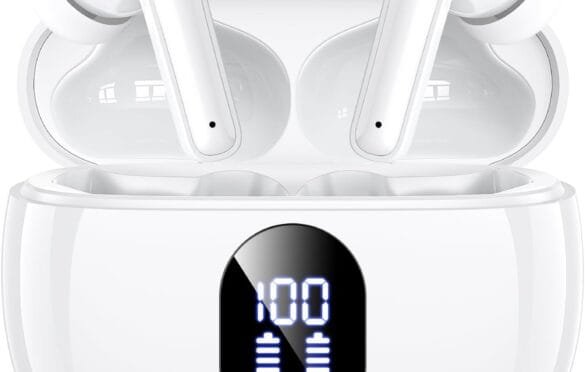
The Ultimate Guide to the Best Headphones, Earphones & Accessories—Shop Now!
Finding Audio Gear That Actually Fits Your Life If you’ve ever bought headphones that looked great online but disappointed the moment you put them on, you’re not alone. Choosing the…
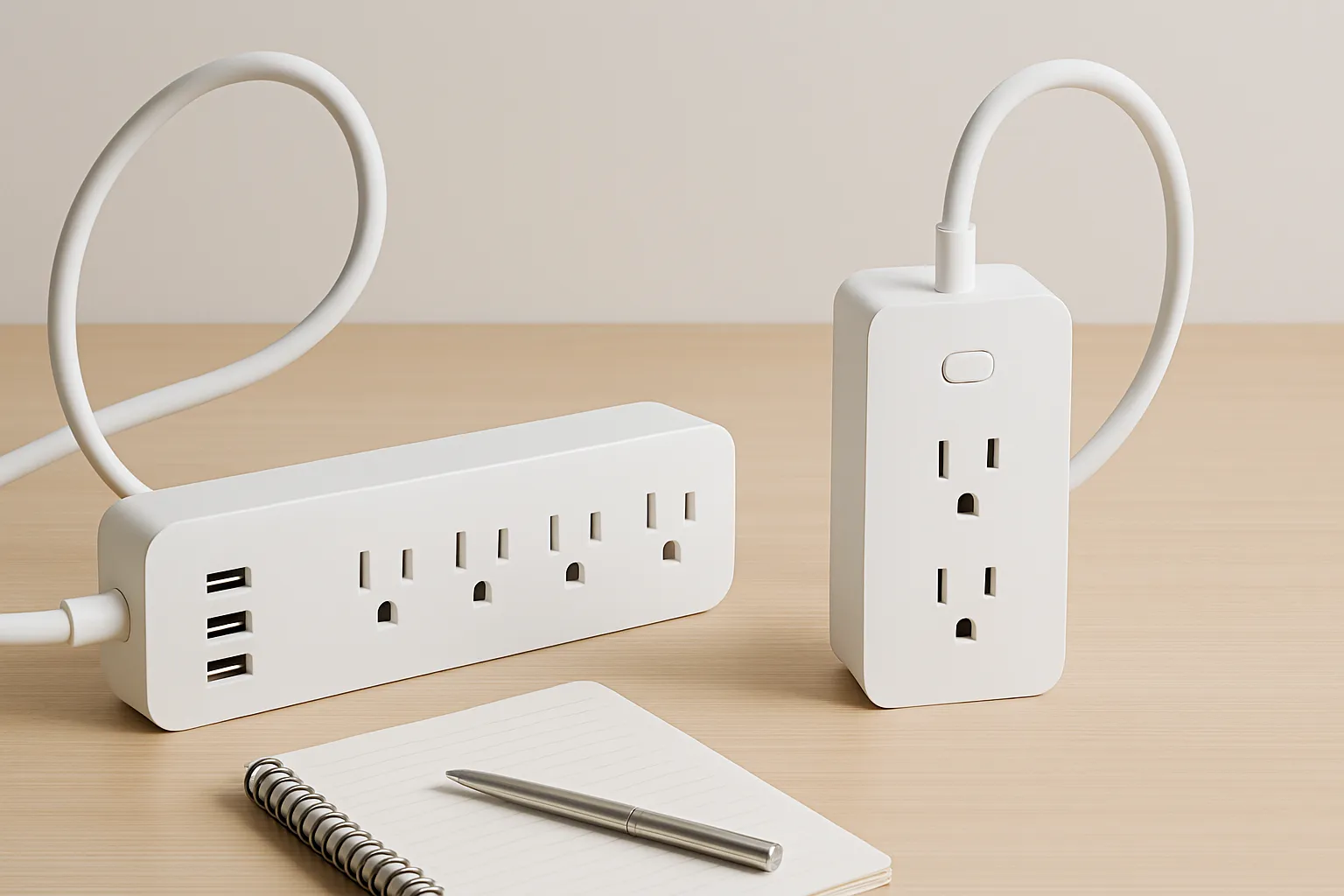
Essential Power Strips: Shop the Best Power Accessories Now
Running out of wall outlets is a common frustration in modern homes and offices. Between laptops, monitors, phone chargers, routers, printers, and smart home devices, the average household now uses…
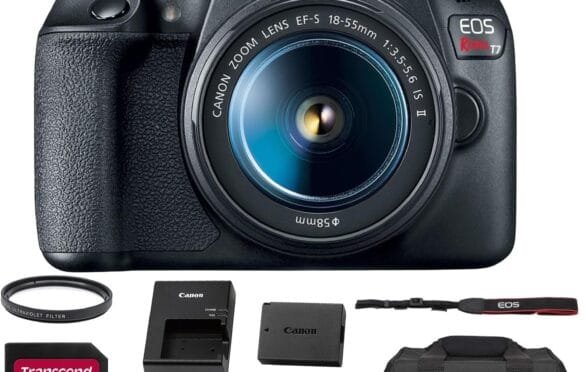
Best DSLR Camera & Photo Deals – Shop Now on Amazon
This site participates in the Amazon Associates Program. As an Amazon Associate, we may earn from qualifying purchases. If you’ve ever taken a photo and thought, “Why doesn’t this look…