
Cooking pastes have become a quiet staple in modern kitchens, bridging the gap between traditional spice blends and the convenience demanded by busy home cooks. At their core, these pastes are concentrated mixtures of herbs, spices, aromatics, and oils — designed to deliver flavor quickly without the need to measure out multiple ingredients. They’re especially popular among those who want authentic taste but don’t always have the time or pantry stock to grind spices from scratch.
Yet, anyone who has tried them knows the frustrations: one jar might taste vibrant and balanced, while another feels flat or overly salty. Some brands rely heavily on additives or preservatives, leaving cooks wondering if they’re sacrificing quality for convenience. And for beginners, the sheer variety — curry pastes, chili pastes, ginger-garlic blends — can feel overwhelming.
This guide sets out to clarify, not hype. We’ll explain what cooking pastes are, why they’re used, and how they compare to powders, sauces, and marinades. We’ll also review popular options available on Amazon, highlighting what customers consistently praise and where complaints arise. Importantly, our methodology is research-based: we analyze product descriptions, ingredient lists, and verified customer feedback patterns. Unless explicitly stated, these reviews are not based on personal kitchen testing.
Who is this guide for?
- Busy cooks who want reliable shortcuts without sacrificing flavor.
- Beginners who are curious about global cuisines but hesitant to dive into complex spice blends.
- Flavor explorers who enjoy experimenting with new condiments and regional specialties.
By the end, you’ll understand not only which pastes might suit your cooking style, but also when it makes sense to use them — and when making your own blend could be the better choice.
What Are Cooking Pastes?
Cooking pastes are concentrated blends of flavoring ingredients, typically combining fresh or dried herbs, spices, aromatics like garlic and ginger, and a binding medium such as oil or vinegar. Unlike powdered spices, which deliver dry intensity, pastes offer a ready-to-use, moist consistency that integrates smoothly into dishes. They’re designed to be spooned directly into a pan, marinade, or sauce base, saving time and ensuring consistent flavor.
Popularity Across Cuisines
- Indian & South Asian: Ginger-garlic paste is a foundational ingredient, used in curries, dals, and marinades.
- Thai: Red, green, and yellow curry pastes form the backbone of countless soups and stir-fries.
- African & Middle Eastern: Harissa, yaji, and berbere pastes bring heat and depth to stews and grilled meats.
- Mediterranean: Pesto and herb-based pastes add freshness to pasta, fish, and vegetables.
How They Differ
- Powders: Dry, shelf-stable, but require oil or liquid to bloom flavors.
- Sauces: Ready-to-eat, often diluted, less concentrated than pastes.
- Marinades: Typically include acid (vinegar, citrus) and are designed for soaking proteins, not cooking bases.
Benefits
- Convenience: No need to peel garlic, chop chilies, or toast spices.
- Consistency: Flavor is standardized, reducing the risk of imbalance.
- Time Savings: Ideal for weeknight meals or quick flavor boosts.
Limitations
- Shelf Life: Once opened, most pastes require refrigeration and may spoil within weeks.
- Salt & Preservatives: Many commercial versions rely on sodium or stabilizers.
- Ingredient Quality: Mass-market brands may substitute cheaper flavorings for authentic spices.
For everyday cooks, pastes strike a balance between authenticity and practicality. They’re not a perfect substitute for freshly ground spices, but they offer a reliable shortcut when time or skill is limited.
Types of cooking pastes explained
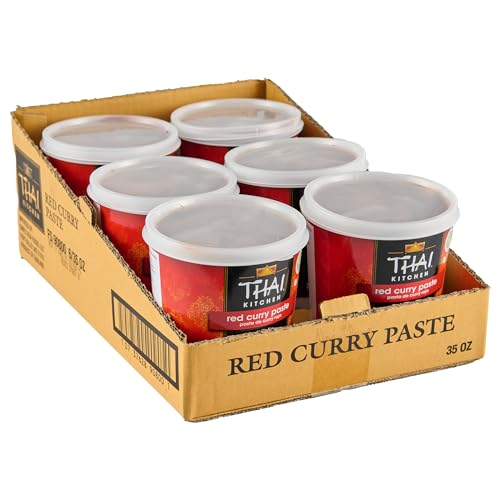
Curry pastes
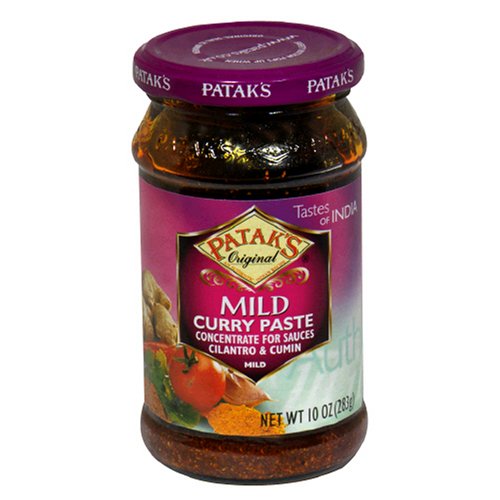


- Overview: Curry pastes are concentrated blends of chilies, aromatics (garlic, shallot), spices, and herbs, used as the flavor base for curries, soups, and stir-fries.
- Common varieties:
- Red: Dried red chilies, garlic, lemongrass; medium–hot, savory, versatile.
- Green: Fresh green chilies, kaffir lime, cilantro; bright, herbal, often spicier.
- Yellow: Turmeric-forward with milder chilies; warm, mildly sweet, family-friendly.
- Regional: Massaman (warm spices, peanuts), Panang (richer, sweeter), Vindaloo (vinegar heat).
- Best uses: Quick weeknight curries, coconut-based soups, marinades for chicken or tofu.
- Watch-outs: High sodium, variable heat levels, authenticity varies by brand.
Ginger-garlic pastes


- Overview: A 50/50 blend of ginger and garlic, sometimes with oil, salt, or acid to stabilize.
- Flavor profile: Pungent, fresh, citrusy heat from ginger; savory depth from garlic.
- Best uses: Indian and South Asian cooking (dals, curries), marinades, stir-fries, pilafs.
- Watch-outs: Freshness degrades quickly; low-quality versions can taste metallic or overly salty.
Chili and pepper pastes
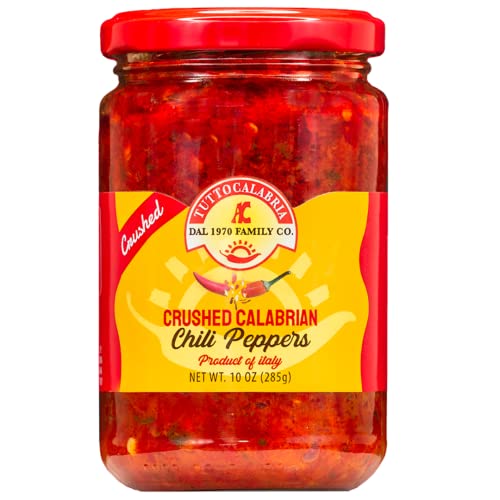


- Overview: Ground chilies (fresh or dried) with salt, vinegar, or oil; sometimes includes fermented elements.
- Examples: Sambal, gochujang-style blends, peri-peri, Scotch bonnet pastes.
- Best uses: Heat boosters for stews, eggs, sauces, and grilled meats; layering spice without complex prep.
- Watch-outs: Sugar levels in some styles; intense heat can overpower delicate dishes.
Herb-based pastes (pesto-style, green seasoning)
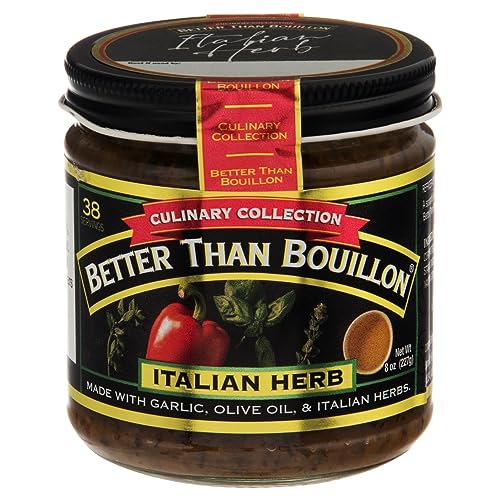
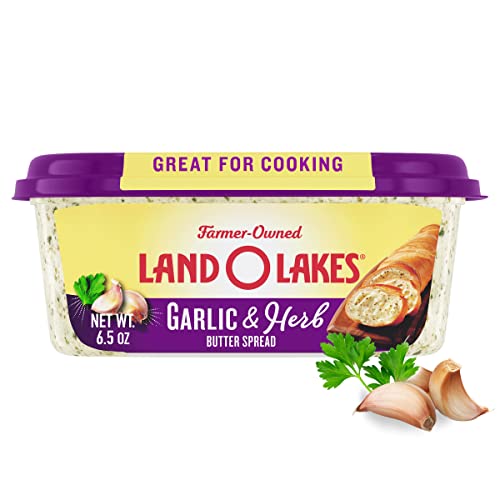
- Overview: Fresh herbs (basil, parsley, cilantro) with aromatics and oil; may include nuts, seeds, or citrus.
- Flavor profile: Bright, grassy, aromatic; often umami from cheese or nuts in pesto-type blends.
- Best uses: Pasta, fish, roasted vegetables, sandwiches, dressings, quick marinades.
- Watch-outs: Oxidation and browning; nut and dairy allergens; flavor fades if overheated.
Specialty and regional pastes (harissa, yaji, miso, berbere)



- Harissa: North African chili paste with spices; smoky, garlicky heat for stews and grills.
- Yaji: West African suya spice paste (peanut, chili, aromatics); nutty, spicy, perfect for skewers.
- Miso pastes: Japanese fermented soybean paste; savory-sweet umami for soups and glazes.
- Berbere pastes: Ethiopian spice blend in paste form; warm, complex, ideal for wot stews.
- Watch-outs: Authenticity and ingredient sourcing; some styles are traditionally dry blends—pastes vary by brand.
What to look for when buying cooking pastes
- Ingredient transparency: Choose brands that list whole spices, identifiable herbs, and real aromatics. Avoid vague terms like “flavorings” or “spice extracts” without specifics. Short, readable labels usually signal better quality.
- Oil types and preservatives: Prefer neutral or traditional oils (sunflower, peanut, coconut) over highly processed blends. Some preservatives are acceptable for safety, but heavy reliance on stabilizers can muddy flavor. Cold-pressed or minimal-ingredient pastes often taste cleaner.
- Sodium and sugar considerations: Many commercial pastes carry high sodium. If you cook for varied diets, select lower-salt versions and season during cooking. Check sugar in chili or gochujang-style pastes if you prefer savory over sweet.
- Packaging (jar vs pouch vs tube): Jars are reusable and easy to portion with a spoon; pouches reduce air exposure; tubes offer precision and longer freshness. For frequent use, jars are practical. For occasional use, small tubes help prevent waste.
- Authenticity vs mass-market versions: Authentic brands often source region-specific ingredients and traditional ratios. Mass-market options prioritize consistency and shelf life. Decide whether you want “true-to-cuisine” flavors or adaptable, milder profiles.
- Value per serving (not just price): Compare net weight and recommended serving size. A slightly pricier paste that’s potent may cost less per meal. Factor in how many dishes you typically stretch from a single container.
How we reviewed these cooking pastes (methodology)
- Review criteria: We assessed ingredient quality (clarity, whole-food focus), cuisine fidelity, flavor balance as described by customers, consistency across batches, packaging practicality, and value per serving. We also considered dietary notes (allergens, vegan/vegetarian suitability).
- What was not done: No laboratory testing was performed. We did not verify nutritional claims beyond manufacturer-provided labels. Unless explicitly stated in a product section, we did not conduct hands-on kitchen testing.
- Customer feedback analysis: We examined verified reviews for recurring themes—what users consistently praise and where complaints cluster (e.g., saltiness, heat level, freshness, oil separation). Outlier reviews were noted but not over-weighted.
- Update frequency: We revisit listings and aggregate feedback periodically to reflect ingredient changes, reformulations, or shifts in customer sentiment. Significant updates trigger a review refresh to maintain accuracy.
Comparison table: popular cooking pastes at a glance
| Product name | Cuisine type | Key ingredients | Best for | Dietary notes |
|---|---|---|---|---|
| Thai Red Curry Paste (Brand A) | Thai | Dried red chilies, lemongrass, garlic | Coconut curries, stir-fries | May contain shrimp; check allergens |
| Ginger-Garlic Paste (Brand B) | Indian/South Asian | Ginger, garlic, oil | Curries, marinades, pilafs | Typically vegan; watch sodium |
| Harissa Paste (Brand C) | North African | Chilies, garlic, cumin, oil | Stews, grilled meats, dips | Often vegan; moderate heat |
| Green Seasoning Paste (Brand D) | Caribbean | Herbs, scallion, garlic, citrus | Fish, chicken, veggies | Usually vegan; fresh-herb flavor |
| Berbere Paste (Brand E) | Ethiopian | Chili, fenugreek, warm spices | Wot stews, lentils | Often vegan; aromatic spice |
| Yaji/Suya Paste (Brand F) | West African | Peanut, chili, aromatics | Skewers, grills | Contains peanuts; nut allergen |
| Miso Cooking Paste (Brand G) | Japanese | Fermented soybeans, rice koji | Soups, glazes, dressings | Contains soy; umami-rich |
Sources: Product examples are representative of common Amazon listings in each category; verify allergens and labels on individual product pages.
Cooking Pastes Reviewed: Detailed Product Reviews
1. Mekhala Organic Lemongrass Turmeric Paste
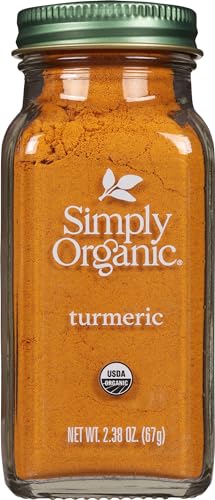


- Best used for: Southeast Asian curries, stir-fries, soups, and marinades.
- Flavor profile: Bright, citrusy lemongrass with earthy turmeric; mild heat, aromatic rather than spicy.
- Ingredient highlights: Certified organic, gluten-free, vegan-friendly. Uses whole herbs and spices with minimal additives.
- Customer likes: Clean flavor, versatility across dishes, and health-conscious formulation. Many appreciate that it avoids MSG and artificial preservatives.
- Common complaints: Some find the flavor too mild compared to traditional Thai curry pastes. A few note oil separation in jars.
- Who should buy: Health-conscious cooks, vegans, and those seeking a gentle introduction to Southeast Asian flavors.
- Who should skip: Those wanting bold, fiery Thai-style heat may find it underpowered.
2. Catch Ginger Garlic Paste

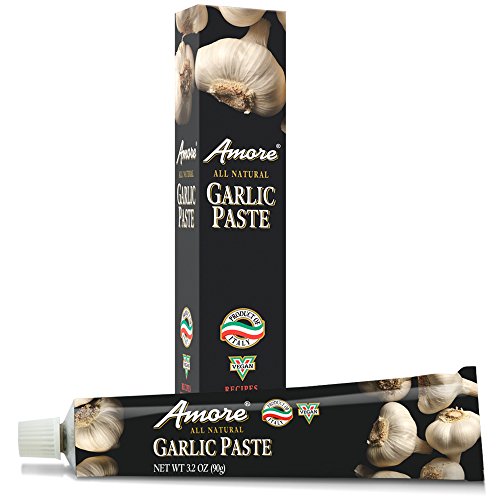
- Best used for: Indian curries, dals, marinades, and pilafs.
- Flavor profile: Pungent, fresh ginger heat balanced with savory garlic depth.
- Ingredient highlights: Thick, coarse texture; widely available in India; affordable.
- Customer likes: Consistency across batches, strong aroma, and convenience for everyday cooking.
- Common complaints: Some users find it overly salty or slightly metallic in taste. Shelf life after opening can be short.
- Who should buy: Busy home cooks in South Asian cuisines who want a reliable shortcut for base aromatics.
- Who should skip: Those sensitive to sodium or who prefer freshly ground ginger and garlic.
3. Mother’s Recipe Tamarind Paste


![Gochujang – Korean Red Chili Paste [ Medium | 1.1 lb (500g) ] – 0...](https://m.media-amazon.com/images/I/410i4jhhvxL.jpg)
- Best used for: South Indian sambar, chutneys, curries, and marinades.
- Flavor profile: Tangy, sour, slightly sweet; concentrated tamarind pulp.
- Ingredient highlights: Made from ripe tamarind; convenient pouch packaging.
- Customer likes: Authentic sourness, easy to dissolve in water, consistent flavor.
- Common complaints: Some find it too concentrated and need careful dilution. Occasional packaging leaks reported.
- Who should buy: Cooks seeking authentic tang for Indian and Southeast Asian dishes without the hassle of soaking tamarind pods.
- Who should skip: Those who prefer making tamarind water from scratch for maximum control.
4. Catch Schezwan Paste
- Best used for: Indo-Chinese stir-fries, fried rice, noodles, and dipping sauces.
- Flavor profile: Spicy, garlicky, slightly sweet; bold chili kick.
- Ingredient highlights: Chili, garlic, vinegar, and spices blended for a fiery condiment.
- Customer likes: Strong heat, versatility as both cooking base and table condiment.
- Common complaints: Can be too salty or oily for some; heat level may overwhelm mild dishes.
- Who should buy: Spice lovers and fans of Indo-Chinese cuisine who want quick flavor boosts.
- Who should skip: Those sensitive to chili heat or seeking subtle flavors.

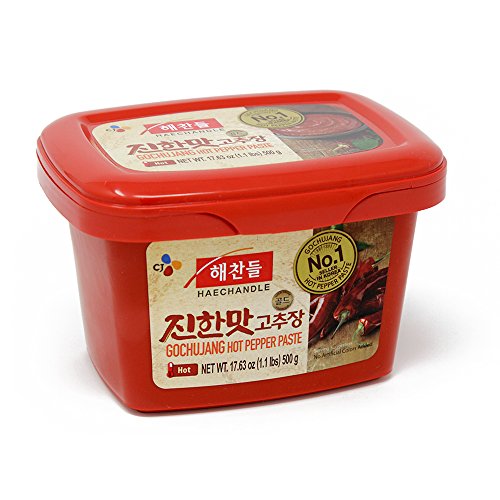
Key Takeaways
- Mekhala Lemongrass Turmeric Paste → Best for health-conscious cooks, mild flavor.
- Catch Ginger Garlic Paste → Everyday Indian cooking shortcut, but watch sodium.
- Mother’s Recipe Tamarind Paste → Authentic tang, convenient, but concentrated.
- Catch Schezwan Paste → Bold spice for Indo-Chinese dishes, not for the faint of heart.
Sources: Amazon listings for Mekhala Organic Lemongrass Turmeric Paste and Indian bestsellers including Catch Ginger Garlic Paste, Mother’s Recipe Tamarind Paste, and Catch Schezwan Paste.
5. Mina Harissa Mild Chili Paste
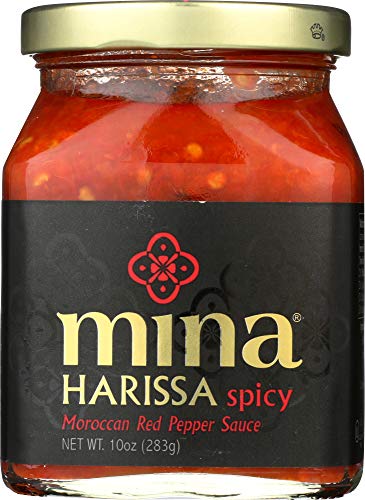

- Best used for: North African stews, couscous, grilled meats, and dips.
- Flavor profile: Smoky, garlicky, mildly spicy with a touch of sweetness; balanced heat that doesn’t overwhelm.
- Ingredient highlights: Made with red chilies, garlic, olive oil, and spices; non-GMO, gluten-free, vegan.
- Customer likes: Authentic flavor, versatile use across Mediterranean and Middle Eastern dishes, and clean ingredient list. Many appreciate that it’s milder than traditional harissa, making it accessible to beginners.
- Common complaints: Some find it too mild compared to traditional Tunisian harissa; occasional oil separation noted.
- Who should buy: Home cooks exploring North African flavors, those who want approachable spice without extreme heat.
- Who should skip: Spice enthusiasts seeking fiery, traditional harissa intensity.
6. Hikari Organic White Miso Paste
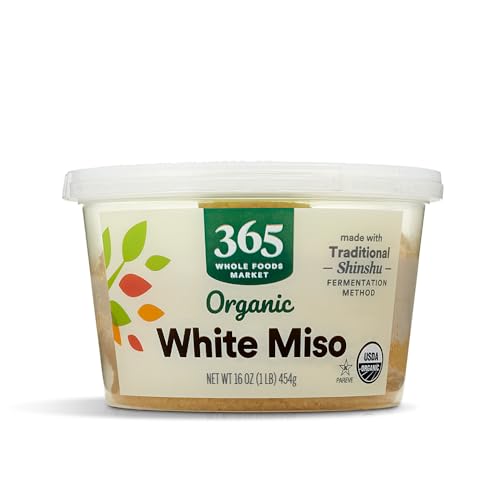

- Best used for: Japanese miso soup, marinades, salad dressings, and glazes.
- Flavor profile: Savory-sweet umami with mild saltiness; smooth and mellow compared to darker miso varieties.
- Ingredient highlights: Organic soybeans, rice koji, sea salt; fermented naturally for depth of flavor.
- Customer likes: Authentic Japanese taste, versatility in both traditional and fusion cooking, and probiotic benefits from fermentation.
- Common complaints: Some find the flavor too subtle compared to red miso; packaging can be bulky for small households.
- Who should buy: Cooks interested in Japanese cuisine, health-conscious eaters seeking probiotic-rich condiments, and those who prefer gentle umami.
- Who should skip: Those wanting stronger, saltier miso flavors for robust stews or braises.
How to Use Cooking Pastes Properly
Cooking pastes are convenient, but using them correctly makes the difference between a flavorful dish and one that tastes unbalanced. Here are practical guidelines to help you get the most out of them.
How Much Paste to Use
- Start small: 1–2 teaspoons for a dish serving 2–3 people.
- Adjust gradually: Pastes are concentrated, so it’s easier to add more than to fix an overpowering flavor.
- Check packaging: Some brands provide serving suggestions, but treat them as a baseline, not a rule.
When to Add During Cooking
- Curries & stews: Add paste early, sautéing it in oil to release aromatics before adding liquids.
- Stir-fries: Incorporate paste once proteins are nearly cooked, so it coats evenly without burning.
- Soups: Stir in paste after broth is simmering, allowing flavors to infuse gently.
Pairing with Proteins and Vegetables
- Proteins: Chicken, tofu, fish, and legumes absorb paste flavors well. Beef and lamb pair better with stronger pastes like berbere or vindaloo.
- Vegetables: Root vegetables, eggplant, and leafy greens balance spicy pastes; lighter veggies (zucchini, peas) suit milder herb-based blends.
Adjusting Heat and Salt
- Heat: If a paste is too spicy, dilute with coconut milk, yogurt, or tomato.
- Salt: Taste before seasoning — many pastes already contain sodium. Add fresh herbs or citrus to brighten without extra salt.
Stretching One Jar Across Multiple Meals
- Mix paste with broth or stock to create a lighter sauce.
- Combine with yogurt or mayonnaise for dips and marinades.
- Freeze small portions in ice cube trays to avoid waste and extend shelf life.
Bottom line: Treat cooking pastes as concentrated flavor bases. By controlling quantity, timing, and pairings, you can transform everyday meals into globally inspired dishes without losing balance or freshness.
FAQs About Cooking Pastes
Cooking pastes often raise practical questions for home cooks. Here are clear, concise answers to the most common ones.
Are cooking pastes healthy?
Cooking pastes can be healthy if they use whole herbs, spices, and minimal additives. Many commercial versions, however, contain high sodium, oils, or preservatives to extend shelf life. If health is a priority, look for organic or low-sodium options, and always check the ingredient list.
Are they the same as curry sauces?
No. Curry sauces are usually ready-to-eat or heat-and-serve products, often diluted with cream, coconut milk, or tomato. Cooking pastes are concentrated flavor bases meant to be cooked into dishes. They require additional liquid and ingredients to become a full sauce.
Can I substitute cooking paste for spices?
Yes, but with caution. Pastes can replace spice blends in many recipes, especially curries and stews. However, they often include oil, salt, or vinegar, which may alter the balance of a dish. If substituting, reduce added salt and adjust liquids accordingly.
Do cooking pastes expire quickly?
Once opened, most pastes last 2–4 weeks in the refrigerator. Freezing portions can extend usability for several months. Always check for signs of spoilage such as discoloration, sour odor, or mold. Unopened jars typically last 6–12 months depending on preservatives.
Are they suitable for beginners?
Absolutely. Cooking pastes are ideal for beginners because they simplify complex flavor building. A single spoonful can replace multiple spices and aromatics, reducing the risk of imbalance. Beginners should start with milder pastes (like ginger-garlic or herb-based) before experimenting with spicier varieties.
Can I make cooking pastes at home?
Yes. Homemade pastes often taste fresher and allow full control over ingredients. Common examples include ginger-garlic paste, pesto, or chili paste. The trade-off is shorter shelf life and more prep time. Homemade versions are best for those who cook frequently and enjoy experimenting.
Do cooking pastes work across cuisines?
They can, but results vary. Thai curry paste won’t replicate Indian masala, and harissa won’t replace pesto. Each paste is designed for specific flavor profiles. That said, adventurous cooks often use pastes creatively in fusion dishes — for example, adding miso paste to pasta sauces for umami depth.
12. Conclusion: Choosing the Right Cooking Paste for Your Kitchen
(≈270 words)
Cooking pastes occupy a unique space in the modern kitchen: they’re neither shortcuts to be dismissed nor miracle solutions to replace traditional cooking. Instead, they’re practical tools that help busy cooks, beginners, and flavor explorers bring global cuisines into everyday meals with less effort.
The key takeaway from this guide is balance. Pastes offer convenience, consistency, and accessibility, but they also come with trade-offs — shelf life, sodium levels, and sometimes a compromise in authenticity. By understanding what they are, how they differ from powders and sauces, and when they make sense, you can use them strategically rather than indiscriminately.
When choosing a paste, focus on:
- Ingredients: Look for transparency and whole-food components.
- Cuisine fit: Match the paste to the dish you want to cook — harissa for smoky stews, miso for umami soups, curry pastes for quick Thai-inspired meals.
- Dietary needs: Check for allergens, sodium, and preservatives.
- Value: Consider potency and serving size, not just price.
Experimentation is part of the fun. A spoonful of ginger-garlic paste can simplify an Indian curry, while a dab of miso can transform a salad dressing. Pastes aren’t meant to replace traditional spice blends entirely, but they can complement them, offering flexibility when time or skill is limited.
Final thought: Cooking pastes are best seen as companions in the kitchen — reliable when you need them, versatile enough to inspire creativity, but never a substitute for the joy of cooking from scratch. Choose thoughtfully, use mindfully, and let them expand your culinary horizons without taking away the authenticity of your food journey.

Related Posts

Discover the Best Sustainable Coffee Brands on Amazon Today
This article contains affiliate links. If you purchase through our links, we may earn a small commission at no extra cost to you. We only recommend products based on thorough…

Best Trail Mixes That Deliver Real Energy & Taste (2026)
When you're miles into a trail, stuck in afternoon meetings, or navigating a long road trip, the right snack can mean the difference between feeling energized or hitting a wall.…

Best Breakfast Syrups 2026 – Honest Amazon Reviews
My Journey from Syrup Snob to Realistic Pancake Enthusiast Okay, confession time. I used to be that person who judged anyone using anything other than "real" maple syrup. You know…