
For three years, I kept switching my dog’s food every time I read about a “better” brand or saw a trendy ingredient. Grain-free. Limited ingredient. Novel protein. Raw-inspired. I tried them all, spending increasingly more money while my dog’s digestion got increasingly worse.
What finally helped wasn’t finding the “perfect” brand—it was learning to read ingredient labels, understand nutritional requirements, and recognize quality indicators that apply across all pet foods regardless of marketing claims or price tags.
This guide shares the fundamental knowledge about pet nutrition I wish I’d had from the start. Not brand recommendations or shopping links, but education about:
- How to read and understand pet food labels
- What nutritional requirements actually mean
- Recognizing quality ingredients vs. fillers
- Understanding different food types and their purposes
- Assessing if a food is appropriate for your specific pet
Whether you feed budget kibble or premium raw, understanding these principles helps you make informed decisions based on your pet’s actual needs rather than marketing trends.
- Understanding Pet Food Regulations and Standards
- Reading and Understanding Pet Food Labels
- Understanding Nutritional Requirements
- Types of Pet Food: Understanding Your Options
- Ingredient Quality Assessment
- Common Pet Food Myths and Misconceptions
- Special Dietary Considerations
- Evaluating Pet Food Quality: Practical Framework
- Proper Food Storage and Safety
- Transitioning Between Foods
- When to Consult Professionals
- Where to Find Quality Pet Food
- Budget-Conscious Quality Feeding
- Frequently Asked Questions
- How do I know if my pet's food is causing problems?
- Is expensive pet food always better quality?
- Should I rotate my pet's food regularly?
- Can I feed my dog cat food or vice versa?
- How much should I actually feed my pet?
- What should I avoid in pet food?
- How do I know if a pet food brand is high-quality?
- Are grain-free pet foods better?
- Can I mix wet and dry pet food?
- How do I find deals on Amazon pet food?
- Is Amazon’s pet food fresh and reliable?
- What’s the best pet food for sensitive stomachs?
- Conclusion
Understanding Pet Food Regulations and Standards
Before evaluating any pet food, understanding the regulatory framework helps you know what labels actually mean.
AAFCO: What It Is and Why It Matters
The Association of American Feed Control Officials (AAFCO):
- Sets nutritional standards for pet food in the United States
- Not a regulatory body (doesn’t approve foods)
- Provides guidelines manufacturers can follow
- Offers standardized definitions for ingredients
AAFCO Nutritional Adequacy Statement: This label phrase is crucial. It should say one of:
- “[Food name] is formulated to meet the nutritional levels established by the AAFCO [Dog/Cat] Food Nutrient Profiles for [life stage]”
- “[Food name] provides complete and balanced nutrition for [life stage] and has been substantiated through AAFCO feeding trials”
What this means:
- Formulated to meet: Recipe calculated to contain required nutrients (not tested)
- Feeding trials: Food tested on actual animals to verify adequacy
- Life stages: Growth (puppies/kittens), maintenance (adults), all life stages, or specific purposes
If this statement is missing: The food is not intended as a complete diet. It may be:
- A treat or supplement
- Intended for intermittent feeding only
- Not nutritionally complete
FDA Oversight
The Food and Drug Administration:
- Regulates pet food manufacturing facilities
- Enforces accurate labeling
- Oversees safety and contamination issues
- Manages recalls when necessary
Does not:
- Pre-approve pet foods before sale
- Certify “quality” or “premium” claims
- Test foods routinely (only investigates complaints)
State Feed Control Officials
Individual states also regulate pet food:
- Register products sold in their state
- Conduct label reviews
- Perform facility inspections
- Test for guaranteed analysis accuracy
Understanding this regulatory structure helps you recognize which claims are verified and which are marketing.
Comfort matters just as much as nutrition, which is why these cozy pet beds and blankets are worth considering.
Reading and Understanding Pet Food Labels
Pet food labels contain legally required information and marketing language. Knowing the difference is crucial.
The Principal Display Panel (Front of Package)
Product Name Rules:
The product name tells you minimum ingredient percentages:
- “Beef Dog Food” – Must contain at least 95% beef (excluding water for processing)
- “Beef Dinner/Formula/Entrée” – Must contain 25-95% beef
- “Dog Food with Beef” – Must contain at least 3% beef
- “Beef Flavor” – Only needs enough to be detectable (can be under 3%)
Example: “Chicken Dog Food” contains mostly chicken. “Dog Food with Chicken” may have very little chicken despite packaging images.
Misleading naming practices:
- Large images of ingredients may not reflect actual content
- “Made with real chicken” could mean minimal amounts
- Multiple ingredient names inflate perceived content (“Chicken & Rice Dinner” may have less chicken than “Chicken Dinner”)
Ingredient List Fundamentals
Listed by weight before processing: Ingredients appear in descending order by pre-cooking weight. This matters because:
- Meat contains ~75% water, which doesn’t count after cooking
- “Chicken” listed first may become less than grain after water removal
- Dehydrated or meal versions reflect post-cooking weight (more accurate)
Ingredient splitting: Watch for multiple forms of the same ingredient separated to appear lower on the list:
- “Ground corn, corn gluten meal, corn bran” = lots of corn
- “Rice, rice bran, brewers rice” = lots of rice
This makes it appear that meat is more prominent than it actually is.
Named vs. Generic Ingredients:
Specific (better):
- “Chicken,” “beef,” “salmon”
- “Chicken meal,” “lamb meal”
- “Chicken fat”
Generic (less desirable):
- “Poultry,” “meat,” “fish” (unknown source/quality)
- “Poultry by-product meal,” “meat meal”
- “Animal fat”
Specific sources indicate better quality control and consistency.
Guaranteed Analysis
Required minimums and maximums:
- Crude protein (minimum %)
- Crude fat (minimum %)
- Crude fiber (maximum %)
- Moisture (maximum %)
“Crude” means: Total amount measured by specific chemical test, not digestibility or quality. Two foods with “25% crude protein” may have very different digestible protein and amino acid profiles.
Dry matter basis comparison: Pet foods with different moisture contents can’t be compared directly using guaranteed analysis.
To compare accurately:
- Calculate dry matter: 100 – moisture percentage
- Divide nutrient percentage by dry matter percentage
- Multiply by 100
Example:
- Dry food: 10% moisture, 25% protein
- Dry matter = 90%
- Protein on dry matter basis = (25 ÷ 90) × 100 = 27.8%
- Wet food: 78% moisture, 8% protein
- Dry matter = 22%
- Protein on dry matter basis = (8 ÷ 22) × 100 = 36.4%
The wet food actually has more protein despite lower guaranteed analysis number.
Feeding Guidelines
Standard feeding recommendations: Usually based on pet’s weight, given as cup or gram measurements per day.
Important limitations:
- General guidelines only (starting point)
- Don’t account for individual metabolism
- May not reflect your pet’s activity level
- Can vary significantly between brands
Actual feeding amounts depend on:
- Individual pet’s metabolism
- Activity level
- Age and health status
- Whether treats/supplements are given
- Environmental temperature
- Spay/neuter status
Monitor body condition and adjust accordingly rather than following guidelines rigidly.
Understanding Nutritional Requirements
Different pets have different nutritional needs based on species, life stage, and health status.
Dogs vs. Cats: Fundamental Differences
Dogs (omnivores):
- Can utilize carbohydrates efficiently
- Can convert beta-carotene to vitamin A
- Can synthesize taurine from other amino acids
- Tolerate varied protein sources
Cats (obligate carnivores):
- Require animal-based protein (cannot thrive on plant protein alone)
- Need preformed vitamin A (cannot convert from beta-carotene)
- Require dietary taurine (cannot synthesize enough)
- Need arachidonic acid (found in animal fats)
- Require higher protein percentages than dogs
This means: Never feed dog food to cats long-term—it lacks essential nutrients cats require. Occasional feeding won’t harm cats, but it’s nutritionally inadequate over time.
Life Stage Nutrition
Puppies and Kittens (Growth):
- Higher protein requirements for development
- Increased calcium and phosphorus for bone growth
- Higher calorie density (growing rapidly)
- Specific calcium:phosphorus ratios critical
- DHA for brain and eye development
Adults (Maintenance):
- Moderate protein for muscle maintenance
- Balanced nutrients for steady-state health
- Calorie levels for typical activity
- Prevents excessive growth in adult animals
Seniors:
- May need lower calories (reduced activity)
- Sometimes higher protein to prevent muscle loss
- Joint support ingredients beneficial
- May need easier digestibility
- Reduced phosphorus if kidney concerns
“All Life Stages” foods:
- Meet requirements for growth (highest standard)
- Safe for all ages but may be excessive for some adults
- Convenient for multi-pet households
- Often higher in calories and calcium
Essential Nutrients
Proteins and Amino Acids:
- Build and repair tissues
- Enzymes, hormones, antibodies
- Dogs require 10 essential amino acids
- Cats require 11 (including taurine)
- Quality matters as much as quantity
Fats and Fatty Acids:
- Energy source (9 calories per gram)
- Essential for cell membranes
- Omega-3 and omega-6 fatty acids required
- Carries fat-soluble vitamins (A, D, E, K)
- Palatability and satiety
Carbohydrates:
- Not technically essential for dogs or cats
- Provides energy efficiently
- Fiber aids digestion
- Can be beneficial in appropriate amounts
- Cats have limited carbohydrate processing
Vitamins:
- Fat-soluble: A, D, E, K (stored in body)
- Water-soluble: B vitamins, C (not stored, need regular intake)
- Required in specific amounts
- Too much can be harmful (especially fat-soluble)
Minerals:
- Macro-minerals: calcium, phosphorus, magnesium, sodium, potassium
- Trace minerals: iron, zinc, copper, manganese, selenium, iodine
- Must be balanced (ratios matter)
- Excesses or deficiencies cause health problems
Monitoring nutrition works best alongside these pet health tracking devices.
Types of Pet Food: Understanding Your Options
Different food types serve different purposes and have distinct advantages and considerations.
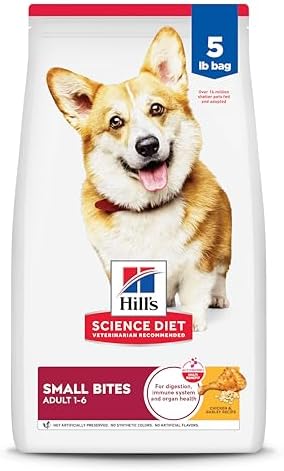
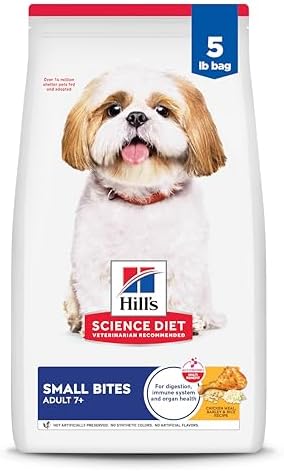
Dry Food (Kibble)

Characteristics:
- 6-10% moisture content
- Shelf-stable at room temperature
- Most economical per calorie
- Variety of formulations available
Advantages:
- Affordable
- Convenient storage
- Long shelf life once opened (if stored properly)
- Dental benefits debated (minimal, if any)
- Easy to measure and portion
Considerations:
- Lower palatability for some pets
- Less moisture (supplemental water important)
- Processing involves high heat
- Some nutrients may be sprayed on after cooking
- Harder for pets with dental issues
Quality indicators in dry food:
- Named meat or meal as first ingredient
- Specific fat sources
- No artificial colors
- Reasonable protein and fat percentages for life stage
- Appropriate kibble size for pet
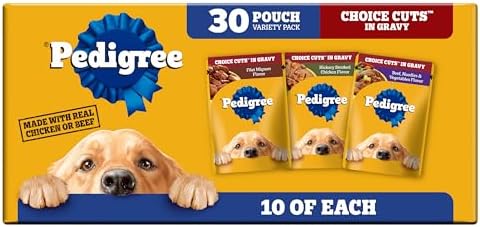
Wet Food (Canned/Pouched)


Characteristics:
- 75-78% moisture content
- Vacuum sealed, shelf-stable
- Higher palatability generally
- Variety of textures (pâté, chunks, shreds)
Advantages:
- High moisture content (beneficial for hydration)
- Very palatable for most pets
- Easier for pets with dental issues
- Portion control with single-serve containers
- Less processing than kibble
Considerations:
- More expensive per calorie
- Spoils quickly once opened (refrigerate)
- Bulkier to store
- May contribute to dental issues if fed exclusively
- Messier feeding
Quality indicators in wet food:
- Named protein sources
- Minimal by-products
- No artificial colors (unnecessary in wet food)
- Appropriate protein levels on dry matter basis
- Clear broth or gravy, not excessive thickeners
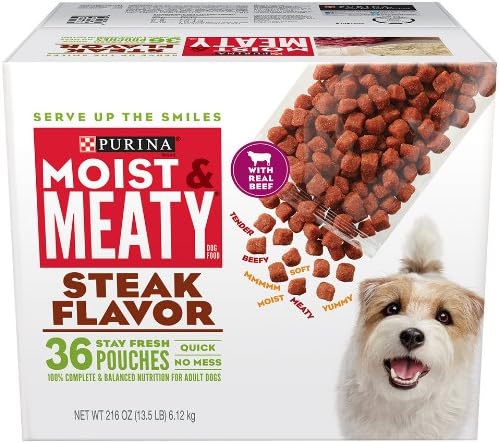
Semi-Moist Food


Characteristics:
- 25-35% moisture
- Soft, chewy texture
- Often shaped like meat pieces
Advantages:
- Palatable
- Convenient (no refrigeration needed)
- Easy to portion
Considerations:
- High in sugars/humectants (keep moist)
- Often contain artificial colors
- More expensive than dry
- Less nutritionally dense than wet or dry
- Often used as treats rather than main diet
Generally less recommended as primary diet due to sugar content and lower nutritional density.
Freeze-Dried and Dehydrated


Characteristics:
- Moisture removed at low temperatures
- Rehydrated before feeding or fed dry
- Minimal processing
- Lightweight and shelf-stable
Advantages:
- Retains more nutrients than high-heat processing
- Highly palatable
- Convenient for travel
- Long shelf life
- Quality ingredients often used
Considerations:
- Very expensive
- Time-consuming (rehydration needed)
- Must be stored properly
- Handling raw ingredients (pathogen risk)
- Ensuring complete and balanced formulation
Raw Diets


Types:
- Commercial raw: Pre-made, often frozen, formulated to be complete
- Home-prepared: Owner sources and prepares ingredients
Advantages (claimed):
- Minimal processing
- High palatability
- Shinier coats (anecdotal)
- Firmer stools (anecdotal)
Significant considerations:
- Food safety risks: Salmonella, E. coli, Listeria to pets and humans
- Nutritional balance: Difficult to achieve without expertise
- Cost: Usually most expensive option
- Convenience: Requires freezer space, thawing time
- Veterinary consensus: Most major veterinary organizations caution against raw feeding due to risks
If considering raw:
- Use commercial formulations (more likely balanced)
- Practice strict food safety
- Consult veterinary nutritionist
- Understand risks to immunocompromised household members
Ingredient Quality Assessment
Not all ingredients are created equal. Understanding quality helps evaluate foods.
Protein Sources
Whole meats (chicken, beef, lamb, fish):
- Pros: High-quality, digestible protein
- Cons: ~75% water (weight drops after cooking)
- Note: Less protein than appears by weight
Meals (chicken meal, beef meal, fish meal):
- Pros: Concentrated protein (water/fat removed), more protein per weight
- Cons: Quality varies by manufacturer
- Note: “Meal” from named source (chicken meal) better than generic (poultry meal)
By-products:
- Definition: Parts other than meat (organs, bones, etc.)
- Not inherently bad: Some organs very nutritious
- Quality varies: Named by-products (chicken by-products) better than generic (poultry by-products)
- Digestibility: Usually lower than whole meat or meals
Plant proteins (peas, lentils, soy, corn gluten):
- Pros: Adds protein content, affordable
- Cons: Less bioavailable for pets (especially cats), may lack essential amino acids
- Note: Not ideal as primary protein for cats (obligate carnivores)
Carbohydrate Sources
Whole grains (brown rice, oatmeal, barley):
- Pros: Digestible energy, fiber, some nutrients
- Cons: None for most pets (allergies are rare)
- Note: Grain-free isn’t necessary unless specific allergy
Grain alternatives (sweet potato, peas, lentils, chickpeas):
- Pros: Provide carbohydrates for grain-free formulas
- Cons: May be difficult to digest in large amounts, pulses linked to DCM concerns in some cases
- Note: Not superior to grains for most pets
Refined grains (white rice, corn, wheat):
- Pros: Easily digestible, affordable
- Cons: Less nutritious than whole grains, often used as cheap fillers
- Note: Not harmful but less nutritious
Fats
Named animal fats (chicken fat, salmon oil):
- Pros: Highly digestible, palatable, provide essential fatty acids
- Cons: None if preserved properly
- Best choice
Plant oils (flaxseed oil, canola oil):
- Pros: Provide some fatty acids, affordable
- Cons: Dogs and cats don’t efficiently convert plant omega-3s to usable forms
- Note: Okay as supplement but not sole fat source
Generic fats (animal fat, poultry fat):
- Pros: Provides calories
- Cons: Unknown source, quality variable
- Less desirable
Additives and Preservatives
Natural preservatives (tocopherols/vitamin E, ascorbic acid/vitamin C):
- Safe and effective
- Shorter shelf life than synthetic
- Preferred choice
Synthetic preservatives (BHA, BHT, ethoxyquin):
- Very effective preservation
- Controversial (safety debated)
- Approved for use but some owners prefer to avoid
Artificial colors:
- No nutritional benefit
- Added for owner appeal (pets don’t care)
- Some linked to sensitivities
- Unnecessary; avoid if possible
Flavor enhancers:
- Digest, animal digest (partially broken-down proteins)
- Increase palatability
- Not harmful but indicates less palatable base ingredients
Common Pet Food Myths and Misconceptions
Separating fact from marketing helps you make rational decisions.
Myth: Grain-Free Is Always Better
Reality:
- Grains are not common allergens in pets (protein allergies more common)
- Most pets digest grains fine
- Grain-free doesn’t mean low-carb (uses alternative starches)
- Some grain-free foods linked to DCM (dilated cardiomyopathy) in dogs, particularly those high in peas, lentils, chickpeas
- Grain-free appropriate for rare grain allergies, but not necessary for most pets
FDA warning: The FDA investigated potential link between grain-free foods (especially those high in pulses) and canine DCM. Research ongoing, but caution warranted.
Myth: By-Products Are Bad
Reality:
- By-products include organs (liver, kidney, heart) which are nutritious
- Wild carnivores eat entire prey (including organs)
- Quality varies, but not inherently inferior
- Named by-products (chicken by-products) better than generic
- Some by-products very digestible and nutritious
Myth: First Ingredient Tells the Whole Story
Reality:
- Ingredients listed by pre-cooking weight
- High-moisture ingredients (meat) lose weight during cooking
- Multiple forms of single ingredient may be split
- Entire ingredient list matters more than first ingredient alone
Myth: Higher Protein Is Always Better
Reality:
- Excess protein above requirements provides no benefit
- Very high protein can stress kidneys in some pets
- Protein quality matters as much as quantity
- Requirements vary by life stage and health status
- Balanced nutrition more important than maximum protein
Myth: Expensive Means Better Quality
Reality:
- Price reflects many factors (marketing, packaging, distribution)
- Some expensive foods use quality ingredients but charge premium for branding
- Some affordable foods meet nutritional needs adequately
- Evaluate by ingredients and nutritional adequacy, not price alone
Myth: Human-Grade Ingredients Are Superior
Reality:
- “Human-grade” is marketing term (not regulated for pet food)
- Pet food ingredients must be safe and appropriate
- Many “pet-grade” ingredients are nutritious and safe
- Term doesn’t guarantee better nutrition
- Focus on ingredient quality and balance, not marketing terms
Special Dietary Considerations
Some pets require specific nutritional approaches.
Food Allergies and Sensitivities
True food allergies:
- Immune system reaction to specific protein
- Relatively uncommon (environmental allergies more common)
- Symptoms: itching, ear infections, gastrointestinal issues
- Diagnosis: Elimination diet trial (8-12 weeks)
Common allergens in pets:
- Beef, dairy, chicken (proteins, not grains)
- Wheat and soy less common
- Individual variation
Limited ingredient diets:
- Single protein source
- Single carbohydrate source
- Minimal additional ingredients
- Used for elimination trials or known allergies
- Not necessary for pets without allergies
Novel protein diets:
- Proteins pet hasn’t eaten before
- Examples: venison, duck, rabbit, kangaroo
- Used for elimination trials
- More expensive
- Not inherently superior for pets without allergies
Sensitive Stomachs
Characteristics of digestive-friendly foods:
- Highly digestible ingredients
- Moderate fat (high fat can cause issues)
- Prebiotic fiber sources
- Sometimes probiotics added
- Limited ingredients may help
Common causes of sensitivity:
- Food changes (too rapid transition)
- Low-quality ingredients
- High fat content
- Individual intolerances
- Underlying health issues
Management:
- Gradual food transitions (7-10 days)
- Consistent feeding schedule
- Avoid table scraps
- Monitor treat ingredients
- Consult vet if persistent issues
Weight Management
Overweight pets:
- Reduced calorie formulations
- Higher fiber (increases satiety)
- Maintained protein (preserves muscle)
- Portion control crucial
- Increased exercise
Underweight pets:
- Higher calorie density
- Increased palatability
- More frequent meals
- Rule out health issues first
- Monitor weight gain rate
Medical Conditions
Kidney disease:
- Reduced phosphorus
- Sometimes reduced protein (controversial)
- Increased omega-3 fatty acids
- Requires prescription diet often
Urinary issues:
- pH control
- Specific mineral levels
- Increased moisture
- Prescription diets usually necessary
Diabetes:
- High protein, low carbohydrate
- Consistent feeding schedule
- Fiber content varies by approach
- Prescription or carefully selected foods
Note: Medical conditions require veterinary guidance. Don’t make dietary changes without professional consultation.
Evaluating Pet Food Quality: Practical Framework
Use this framework to assess any pet food you’re considering.
Step 1: Check AAFCO Statement
Look for:
- Complete statement present
- Appropriate life stage for your pet
- Feeding trial vs. formulated (trial is better)
If missing: Don’t use as primary diet (incomplete nutrition)
Step 2: Read Ingredient List
Evaluate:
- First 5 ingredients (should include quality protein)
- Named vs. generic ingredients
- Ingredient splitting
- Unnecessary additives (artificial colors)
- Protein source appropriate for species (especially cats)
Step 3: Check Guaranteed Analysis
Consider:
- Protein appropriate for species and life stage
- Fat levels suitable
- Compare on dry matter basis if comparing different food types
- Remember: guaranteed analysis is minimum/maximum, not exact
Step 4: Assess Manufacturer
Research:
- How long in business?
- Manufacturing facilities (own vs. co-packer)?
- Recall history (check FDA website)
- Veterinary nutritionist on staff?
- Research and testing conducted?
- Transparent about sourcing?
Step 5: Consider Your Pet’s Response
Monitor:
- Palatability (will they eat it?)
- Stool quality (firm, formed, not excessive)
- Energy levels (appropriate for age)
- Coat condition (shiny, not dry or oily)
- Body condition (maintaining healthy weight)
- Any digestive upset
Give adequate trial:
- 4-8 weeks for full assessment
- Transition gradually
- Don’t judge immediately
Step 6: Evaluate Value
Calculate:
- Cost per day (not per bag)
- Feeding amounts needed
- Whether treats/supplements required
- Overall health impacts (vet bills)
Most expensive isn’t always best value: Sometimes mid-range foods provide excellent nutrition at reasonable cost
Proper Food Storage and Safety
Even quality food becomes dangerous if stored improperly.
Dry Food Storage
Best practices:
- Keep in original bag (preserves freshness, allows verification of details)
- Store bag in airtight container (pest protection)
- Cool, dry location
- Away from sunlight
- Off floor (moisture protection)
Shelf life:
- Unopened: Check “best by” date
- Opened: Use within 4-6 weeks
- Smaller bags better if slow consumption
Signs of spoilage:
- Rancid smell
- Mold (discard entire bag)
- Insects or pests
- Clumping or moisture
- Discoloration
Wet Food Storage
Unopened:
- Cool, dry location
- Check “best by” dates
- Avoid dented or bulging cans (potential contamination)
Opened:
- Refrigerate immediately
- Use within 3-5 days
- Cover tightly (plastic lid or wrap)
- Bring to room temperature before feeding (more palatable)
- Discard if smell or appearance changes
Food Safety Practices
Handling:
- Wash hands before and after handling pet food
- Clean bowls daily
- Don’t leave food out (especially wet food)
- Separate scoops for different pets if needed
- Clean storage containers regularly
Recalls:
- Check FDA pet food recall list periodically
- Sign up for brand recall notifications
- Keep original packaging (check lot numbers if recall)
- Report issues to FDA and manufacturer
Transitioning Between Foods
Changing foods abruptly causes digestive upset. Proper transition is essential.
Standard Transition Schedule
Days 1-2: 75% old food + 25% new food Days 3-4: 50% old food + 50% new food Days 5-6: 25% old food + 75% new food Day 7+: 100% new food
For sensitive pets:
- Extend to 10-14 days
- Smaller incremental changes
- Add probiotic during transition
- Monitor closely
Signs of Successful Transition
- Normal stool consistency
- No vomiting or excessive gas
- Normal appetite
- No behavior changes
- Maintaining energy levels
When to Slow or Stop
Warning signs:
- Persistent diarrhea
- Vomiting
- Loss of appetite
- Lethargy
- Blood in stool
If issues occur:
- Slow transition pace
- Consider smaller increments
- May need different food entirely
- Consult vet if problems persist
When to Consult Professionals
Some situations require expert guidance beyond online research.
Veterinarian Consultation Needed
Situations:
- Persistent digestive issues
- Weight loss or gain despite appropriate feeding
- Changes in appetite or thirst
- Medical conditions affecting nutrition
- Life stage changes (puppy/kitten to adult, adult to senior)
- Pregnancy or nursing
- Behavioral changes related to feeding
Veterinary Nutritionist
Consider for:
- Home-prepared diets (essential for balance)
- Complex medical conditions
- Multiple concurrent health issues
- Chronic digestive problems
- Very specific dietary needs
- Weight management challenges
Board-certified veterinary nutritionists:
- Completed residency in nutrition
- Passed specialty board exam
- Diplomates of American College of Veterinary Nutrition (ACVN)
- Find through ACVN website
Where to Find Quality Pet Food
While avoiding specific product promotions, understanding where quality pet food is available helps informed shopping.
Online Retailers
Large online platforms like Amazon (amazon.com, amazon.co.uk, and international domains) offer extensive pet food selections across price points.
Advantages of online shopping:
- Wide selection of brands and formulations
- Customer review systems (verified purchase feedback)
- Detailed product information and ingredient lists
- Comparison shopping (prices, ingredients, ratings)
- Convenience of home delivery
- Subscription options (regular delivery, potential discounts)
- Ability to research thoroughly before purchase
Using online platforms effectively:
Check seller information:
- Purchase from authorized sellers
- Verify “ships from and sold by” Amazon or brand direct
- Check seller ratings if third-party
Read reviews strategically:
- Focus on verified purchase reviews
- Look for comments about palatability, digestive tolerance, packaging condition
- Check recent reviews (formula changes happen)
- Note patterns (multiple people mentioning same issues)
- Be skeptical of overly brief or vague reviews
Verify product details:
- Check guaranteed analysis
- Read full ingredient list
- Confirm AAFCO statement present
- Note feeding guidelines
- Check expiration/best-by dates upon arrival
Compare effectively:
- Use dry matter basis for different food types
- Calculate cost per day, not per bag
- Consider feeding amounts needed
- Account for any supplements required
Understand return policies:
- Know return window
- Check if opened bags returnable
- Understand restocking fees
- Save packaging initially
Use subscription features wisely:
- Set appropriate delivery frequency
- Monitor each delivery (check dates, packaging)
- Adjust timing as consumption patterns become clear
- Cancel if food doesn’t work for pet
Physical Retailers
Pet specialty stores:
- Staff often knowledgeable
- Can ask questions
- See and feel bags before purchase
- Immediate availability
Veterinary clinics:
- Prescription diets available
- Professional guidance
- Quality brands typically
- Higher prices generally
General retailers:
- Convenient locations
- Competitive pricing on common brands
- Limited selection usually
Budget-Conscious Quality Feeding
Quality nutrition doesn’t always require premium prices.
Cost-Saving Strategies
Focus on nutrition, not marketing:
- Fancy packaging costs money
- Simple formulations often adequate
- Store brands may be comparable quality
- Evaluate ingredients, not advertising
Calculate actual cost:
- Cost per day matters, not per bag
- Denser foods require less volume
- Factor in health impacts (vet bills)
- Quality food may reduce health issues
Smart purchasing:
- Subscribe and save programs
- Larger bags (if used before expiration)
- Stock up during sales
- Compare unit pricing
Avoid common waste:
- Don’t overbuy (spoilage risk)
- Store properly (prevents spoilage)
- Feed appropriate portions (obesity costs money)
- Don’t frequently switch (wasted bags, digestive upset)
When to Invest vs. Save
Worth investing in:
- Foods for medical conditions
- Growing puppies/kittens (development crucial)
- Senior pets with specific needs
- Pets with diagnosed allergies
Can save on:
- Healthy adult maintenance
- If pet does well on affordable food
- Multiple pets eating same food
- When no specific health concerns
Frequently Asked Questions
How do I know if my pet’s food is causing problems?
Monitor stool quality (should be firm and formed), energy levels, coat condition, and overall behavior. Changes in any of these may indicate food issues. However, give new foods 4-8 weeks for full assessment—immediate judgments can be premature. Consult your vet if you notice persistent diarrhea, vomiting, lethargy, excessive itching, or unusual behavior.
Is expensive pet food always better quality?
Not necessarily. Price reflects many factors including marketing, packaging, and distribution costs—not just ingredient quality. Some expensive foods use quality ingredients but charge premium for branding. Some affordable foods meet nutritional requirements adequately. Evaluate based on ingredient quality, AAFCO adequacy statement, and how your pet responds, not price alone.
Should I rotate my pet’s food regularly?
This is debated. Some believe rotation prevents boredom and provides nutritional variety. Others note it can cause digestive upset and isn’t necessary if food is complete and balanced. If rotating, transition properly between foods. If your pet does well on one food, there’s no requirement to change. Consult your vet for individual recommendations.
Can I feed my dog cat food or vice versa?
Occasional consumption won’t harm healthy pets, but long-term feeding is inappropriate. Cat food is too high in protein and fat for dogs (can cause obesity, pancreatitis). Dog food lacks essential nutrients cats require (taurine, preformed vitamin A, arachidonic acid). Each species needs species-appropriate nutrition.
How much should I actually feed my pet?
Feeding guidelines on packages are starting points, not absolutes. Actual needs vary based on metabolism, activity level, age, health status, and environmental factors. Monitor body condition—you should feel ribs easily without excess fat covering, see waist when viewed from above, and see abdominal tuck from side. Adjust portions to maintain ideal body condition.
What should I avoid in pet food?
Avoid ingredients like corn syrup, artificial colors, BHA/BHT, and fillers. Opt for natural, whole ingredients like real meat and vegetables.
How do I know if a pet food brand is high-quality?
Look for brands with veterinary nutritionists, like Hill’s Science Diet or Royal Canin, and check for AAFCO compliance. Read customer reviews for real-world feedback.
Are grain-free pet foods better?
Not always. Grain-free is ideal for pets with allergies, but whole grains like brown rice are beneficial for most pets. Consult your vet for specific needs.
Can I mix wet and dry pet food?
Yes, mixing can provide variety and hydration, especially for cats. Ensure portions meet nutritional needs and avoid overfeeding.
How do I find deals on Amazon pet food?
Use Subscribe & Save, shop during Pet Day sales, and check “Today’s Deals” for discounts on brands like Purina and Blue Buffalo.
Is Amazon’s pet food fresh and reliable?
Amazon partners with trusted brands and offers fast shipping to ensure freshness. Check expiration dates and read reviews to confirm quality.
What’s the best pet food for sensitive stomachs?
Hill’s Science Diet Sensitive Stomach & Skin (for dogs or cats) and Purina ONE Sensitive Skin and Stomach are top picks for their gentle formulas.
Conclusion
The best pet food is one that fits your pet’s age, health needs, and lifestyle. Amazon makes it easier to compare brands, read real reviews, and find food that matches your budget.
Instead of chasing trends, focus on nutrition, ingredient quality, and how your pet responds. With the right choice, you’re investing in your pet’s long-term health and happiness.

Related Posts

Best Seasonal Foods Amazon 2026 – Fresh Picks Guide
You know what's weird? I spent three years living in a place where seasons barely existed, and I didn't realize how much I actually missed seasonal foods until I moved…

Best Breakfast Syrups 2026 – Honest Amazon Reviews
My Journey from Syrup Snob to Realistic Pancake Enthusiast Okay, confession time. I used to be that person who judged anyone using anything other than "real" maple syrup. You know…

SNOO Smart Sleeper Bassinet: The Guide to Better Baby Sleep
Are you a sleep-deprived parent searching for a game-changing solution to soothe your newborn? The SNOO Smart Sleeper Bassinet promises to revolutionize infant sleep with its cutting-edge technology and safety…