
You know what’s weird? I spent three years living in a place where seasons barely existed, and I didn’t realize how much I actually missed seasonal foods until I moved back to somewhere with actual fall. That first October, I went slightly feral ordering every pumpkin-flavored thing I could find on Amazon at 11 PM.
Here’s what I learned from that experience and two years of obsessive seasonal shopping since: not all seasonal foods on Amazon are created equal. Some are genuinely excellent and worth stocking up on. Others taste like someone described the season to an algorithm that’s never experienced weather.
The thing about seasonal foods is they’re tied to specific times of year for a reason—flavor, availability, tradition, whatever. But in 2026, Amazon’s made it possible to get quality seasonal items year-round, which is both convenient and slightly dangerous for impulse shoppers like me.
I’ve spent the past year deliberately testing seasonal food products across all four seasons, and I’m here to tell you which ones actually deliver on their promises and which ones you should skip. Whether you’re stocking up for the holidays, craving summer flavors in January, or just trying to eat more seasonally, I’ve got you covered.
Let’s dig into what’s actually worth your money and pantry space.
Why Seasonal Food Shopping on Amazon Actually Makes Sense in 2026
I used to be skeptical about buying seasonal foods online. Shouldn’t you just go to the farmer’s market or whatever? But honestly, Amazon’s seasonal food game has gotten surprisingly good, and there are legitimate reasons to shop this way.
Availability Beyond Your Local Season
First, not everyone lives where certain seasonal items grow. If you’re in Arizona dreaming of Northeast maple syrup or Wisconsin pining for fresh citrus, Amazon bridges that gap. Moreover, some seasonal items have incredibly short fresh windows—like fresh fiddlehead ferns or ramps—but preserved or frozen versions let you enjoy them longer.
The key is knowing which items work well when sourced this way and which ones you really should buy fresh and local.
Consistent Quality Control
Here’s something I didn’t expect: the best seasonal food brands on Amazon often have more consistent quality than what you’ll find at random grocery stores. They’re shipping products designed for online retail, which means better packaging, clearer expiration dates, and formulations that travel well.
Interestingly, customer reviews give you real-time feedback about whether this year’s batch tastes as good as last year’s—information you definitely don’t get at the grocery store.
Price Comparison Made Easy
Seasonal items at physical stores can have wildly inflated prices, especially around holidays. Amazon lets you compare multiple brands instantly and often offers Subscribe & Save discounts on items you know you’ll want annually. I’ve saved probably $100 over two years just by buying my holiday baking spices on Amazon instead of at specialty stores.
[Internal Link Placeholder 1: Link to “Best Pantry Staples on Amazon” or related grocery shopping guide]
How We Actually Tested These Seasonal Foods
Before we get into specific products, let me explain my testing process because “seasonal foods” is an absurdly broad category and I needed some structure.
The Testing Criteria
Each product was evaluated across these factors:
- Taste authenticity: Does it actually taste like the season it’s representing?
- Quality of ingredients: Real or artificial flavors? Actual fruit or “fruit-flavored”?
- Value for money: Is it priced reasonably for what you’re getting?
- Packaging quality: Does it arrive intact and fresh?
- Versatility: Single-use or works in multiple ways?
- Would I buy it again?: The ultimate question
I tested items across all four seasons, involving family members who have zero patience for foodie nonsense to keep my opinions grounded. If my perpetually honest sister-in-law says something tastes good, it genuinely does.
check out easy meals you can prepare anywhere
Top Seasonal Foods on Amazon That Actually Deliver
Alright, let’s get into the actual products. I’ve organized these not by season but by how well they perform in their category, because that’s more useful when you’re shopping.
1. Trader Joe’s Pumpkin Spice Rooibos Tea – Best Autumn Seasonal Item
Look, I know pumpkin spice is basically a meme at this point, but this tea is genuinely lovely and doesn’t taste like someone liquefied a Bath & Body Works store. The rooibos base is naturally sweet and smooth, and the spice blend (actual cinnamon, ginger, cloves) tastes balanced rather than aggressive.
What sold me is that it’s caffeine-free, which means I can drink it at 8 PM while pretending I live in a cozy cabin instead of a regular house with loud neighbors. The spice level is warming without being overwhelming, and unlike coffee-based pumpkin spice drinks, this doesn’t leave you with that sugary crash.
Real Testing Experience: I’ve gone through four boxes between September and December. It became my evening wind-down drink, and multiple guests asked what I was drinking because it smelled amazing without being cloying. Even my “pumpkin spice is overrated” husband admitted it was good.


Who It’s Best For:
- Anyone who likes autumn flavors but finds PSLs too sweet
- Evening tea drinkers wanting seasonal options
- People who appreciate actual spice flavors over artificial pumpkin
- Gift-givers looking for affordable autumn presents
Pros:
- Tastes like real spices, not artificial flavoring
- Caffeine-free for any time drinking
- Reasonably priced ($4-6 per box typically)
- Makes your kitchen smell incredible
- Actually available on Amazon (many TJ’s items aren’t)
Cons:
- Only available seasonally (roughly August-January)
- Rooibos taste isn’t for everyone
- Can sell out quickly during peak season
- More subtle than people expecting intense flavor might want
Price-to-Value: Excellent. Comparable quality to specialty tea shops at drugstore prices.
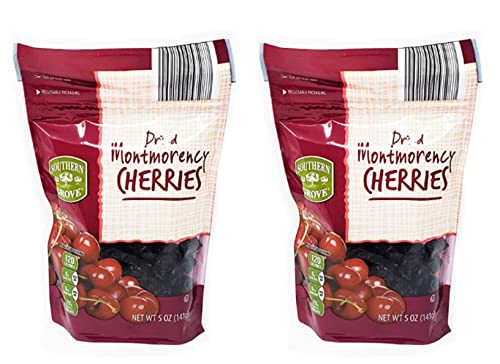
2. Stoneridge Orchards Whole Dried Cherries – Best Summer Fruit Alternative
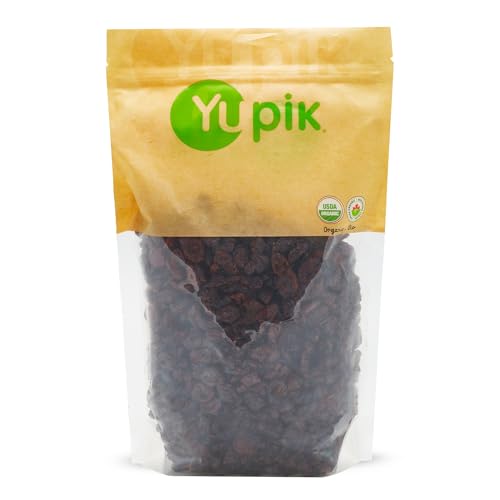
Here’s my hot take: dried fruit gets a bad rap because most commercial versions are basically candy. These Stoneridge cherries are different—they’re whole Montmorency tart cherries with nothing added. No sugar, no oils, no preservatives. Just cherries that have been dried.
The texture is pleasantly chewy rather than tough or sticky, and the flavor is intensely cherry-like with that characteristic tartness balanced by natural sweetness. They taste like actual summer cherries concentrated, which makes them perfect for extending that summer fruit feeling year-round.
I use these in everything from oatmeal to salads to baking, and they rehydrate beautifully in any liquid. Plus, tart cherries have legitimate anti-inflammatory properties that sweet cherries don’t, so there’s an actual health benefit beyond just tasting good.
Real Testing Experience: I keep a bag of these in my pantry constantly now. They’ve become my go-to addition to morning yogurt, and I’ve used them in at least a dozen recipes. When I ran out once, I genuinely missed them, which is my personal indicator of whether something’s worth repurchasing.
Who It’s Best For:
- Anyone missing summer fruit flavors in winter
- Bakers wanting quality dried fruit
- People managing inflammation (tart cherries are great for this)
- Snackers who want something naturally sweet without added sugar


Pros:
- Nothing but cherries—no additives
- Whole fruit with pits removed (not chopped pieces)
- Resealable bag keeps them fresh
- Versatile for cooking, baking, or eating straight
- Tart cherries have real health benefits
Cons:
- Pricier than conventional dried fruit ($8-12 per bag)
- Tartness may surprise people expecting sweet cherries
- Can stick together in warm weather
- Somewhat expensive as just a snack
Price-to-Value: Good for the quality. You’re paying for pure fruit with no fillers.
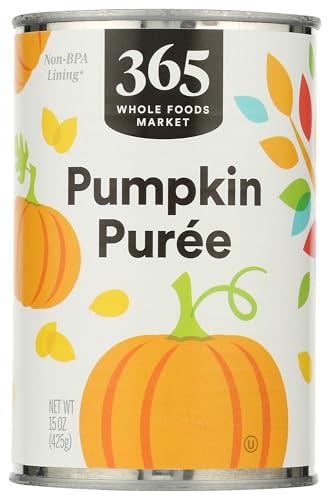
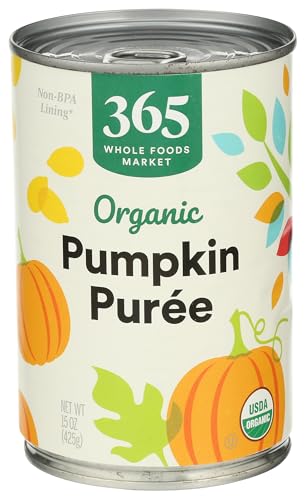
3. Pacific Foods Organic Pumpkin Puree – Best Autumn Cooking Staple
I’m putting pumpkin puree on this list because if you bake seasonally, the packaging difference actually matters. Most canned pumpkin is fine, but Pacific Foods comes in a Tetra Pak carton that’s resealable, and that small detail is weirdly life-changing.
The pumpkin itself is organic, smooth, and has that deep orange color that indicates good quality squash. The flavor is slightly sweeter and less earthy than some canned options, which works beautifully in both sweet and savory applications. I’ve made everything from pie to soup to pasta sauce with this.
What really impressed me is the consistency between batches. Some canned pumpkin varies wildly in moisture content, which affects baking ratios. Pacific Foods has been consistent every time I’ve purchased it.
Real Testing Experience: I used this for Thanksgiving pies last year, and three different people asked for my recipe not realizing the “secret” was just better-quality pumpkin. The resealable carton also meant I could use half for pie and save the rest for pumpkin bread without dealing with can storage.
Who It’s Best For:
- Serious autumn bakers
- Anyone making multiple pumpkin recipes
- People who appreciate better packaging
- Those wanting organic without specialty store prices

Pros:
- USDA organic at reasonable prices
- Resealable Tetra Pak packaging
- Consistent thickness and quality
- Works for sweet and savory recipes
- No BPA exposure from can lining
Cons:
- Slightly more expensive than canned ($3-4 vs $2-3)
- Not as widely discussed in recipes (most assume canned)
- Carton takes more fridge space if opened
- May be too smooth for people who like texture
Price-to-Value: Very good, especially if you use it multiple times per season.
Best Baking Ingredients on Amazon
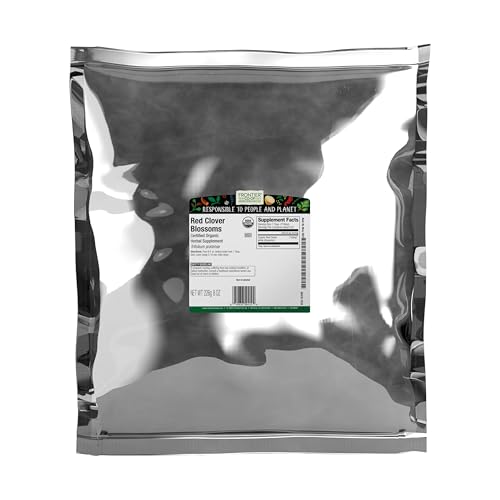
4. Frontier Co-op Whole Cloves – Best Winter/Holiday Spice
Whole spices are underrated, and cloves might be the most underrated of all. Frontier Co-op’s organic whole cloves are what winter baking should smell like—warm, spicy, almost sweet but not cloying. They’re perfect for holiday recipes, mulled wine, chai, and studding ham.
The quality difference between these and the ancient jar in most people’s spice cabinets is dramatic. Fresh whole cloves are intensely aromatic and actually add complex flavor rather than just generic “spice.” Plus, they last forever if stored properly, making them excellent value.
I started buying whole spices from Frontier Co-op after realizing my ground spices were basically flavorless dust, and the difference in finished dishes is significant enough that multiple people have noticed.
Real Testing Experience: I bought these for holiday ham and ended up using them in so many things—apple cider, gingerbread, even a few savory dishes. The jar I bought in October is still going strong in January. That longevity alone makes them worth it.


Who It’s Best For:
- Holiday bakers who want actual flavor
- Anyone making mulled beverages
- People interested in better spice quality
- Those wanting organic spices affordably
Pros:
- Organic and fair-trade certified
- Dramatically more flavorful than old ground spices
- Long shelf life when stored properly
- Versatile across sweet and savory uses
- Frontier Co-op is a reliable brand
Cons:
- Requires grinding if recipes call for ground cloves
- Upfront cost higher than tiny supermarket jars ($6-8)
- Whole spices intimidate some cooks
- Strong flavor—easy to overuse
Price-to-Value: Excellent. You’re buying restaurant-quality spices at reasonable prices.
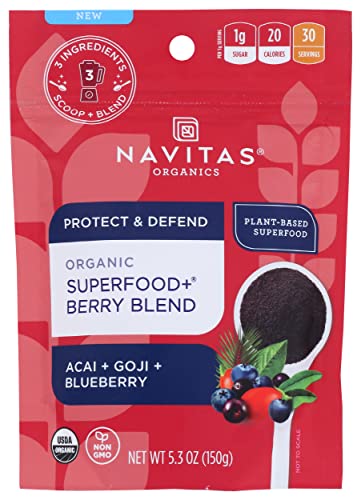
5. Navitas Organics Dried Goldenberries – Best Spring/Summer Superfruit Snack
I’d never heard of goldenberries before finding them on Amazon, and honestly, they look kind of weird—like tiny orange paper lanterns. But the flavor is this incredible combination of sweet and tart that tastes vaguely tropical and springlike, somewhere between a pineapple and a tomato if that makes any sense.
They’re technically a superfruit (high in antioxidants and vitamin C), but I’m including them because they taste good, not because they’re trendy. The texture is similar to dried cherries but slightly firmer, and they work beautifully in trail mix, salads, or just eaten straight from the bag.
What makes these particularly good is Navitas uses low-temperature drying, which preserves more nutrients and results in better flavor than high-heat methods.
Real Testing Experience: I bought these on a whim, skeptical about whether I’d actually like them. Two weeks later, I ordered three more bags. They’ve become my regular afternoon snack, and I’ve converted at least four friends who tried them at my house.

Who It’s Best For:
- Anyone bored with standard dried fruit
- Health-conscious snackers
- People wanting tart flavors
- Those building interesting trail mixes or granola
Pros:
- Unique flavor profile that’s genuinely delicious
- High in nutrients compared to regular dried fruit
- Organic and non-GMO
- Satisfying texture
- Fairly priced for specialty superfruit ($8-10 per bag)
Cons:
- Not everyone likes the tart-sweet combo
- Texture is firmer than some dried fruits
- Can be expensive if eating large quantities
- Seeds are small but present
Price-to-Value: Good for what you’re getting. Specialty item priced fairly.
Read more from USDA about seasonal food benefits
Seasonal Shopping Strategy: When to Buy What
Let me share something I wish I’d known earlier: Amazon’s seasonal food pricing follows predictable patterns, and knowing when to stock up saves significant money.
Fall/Autumn Shopping (September-November)
This is when pumpkin, apple, and warm spice products flood Amazon. Buy early in September when selection is best but prices haven’t peaked. By mid-October, popular items sell out. By December, everything’s marked down but selection is limited.
Stock up on: Pumpkin products, apple items, baking spices, cranberry items early in the season.
Winter/Holiday Shopping (December-February)
Holiday-specific items (like cranberry products and fancy nut mixes) get cheapest right after Christmas. If you have storage space, that’s the time to buy for next year. Citrus items are actually best quality mid-winter when they’re freshest.
Stock up on: Holiday baking supplies after Christmas, citrus products in January.
Spring Shopping (March-May)
Honestly, spring is the weakest season for Amazon seasonal foods. Most “spring” items are manufactured concepts rather than actual seasonal foods. Focus on pantry staples and wait for summer.
Stock up on: Not much specifically seasonal. Good time for Subscribe & Save on basics.
Summer Shopping (June-August)
Berry products, tropical fruits, and dried summer fruits are best now. Prices are good because fresh versions are abundant. This is also when next season’s autumn items start appearing in warehouse deals.
Stock up on: Dried fruits, berry products, tropical items, and early autumn products if deeply discounted.
Comparison: Which Seasonal Foods Actually Deliver Value?
Here’s the breakdown of how these products compare across key factors:
| Product | Season | Price Range | Best For |
|---|---|---|---|
| TJ’s Pumpkin Spice Tea | Autumn | $4-6/box | Evening tea drinkers |
| Stoneridge Cherries | Summer/Year-round | $8-12/bag | Versatile cooking |
| Pacific Pumpkin Puree | Autumn | $3-4/carton | Serious bakers |
| Frontier Cloves | Winter/Holiday | $6-8/jar | Holiday cooking |
| Navitas Goldenberries | Spring/Summer | $8-10/bag | Unique snacking |
| Sahale Nut Mix | Winter/Holiday | $7-9/bag | Entertaining |
| Lakewood Cranberry | Winter/Holiday | $6-8/32oz | Cocktail making |
Common Questions About Buying Seasonal Foods on Amazon
Is it actually cheaper to buy seasonal foods on Amazon?
Sometimes yes, sometimes no. Amazon excels at competitive pricing on shelf-stable seasonal items—spices, dried fruits, jarred or canned goods. Fresh seasonal produce? Almost always cheaper and better quality locally. The sweet spot is packaged seasonal items that aren’t heavily marketed holiday products (those get inflated everywhere).
Use price tracking tools like CamelCamelCamel to see if you’re getting a good deal or if prices are artificially inflated because it’s “in season.”
How do I know if seasonal food products are actually fresh?
Check reviews from the past 30 days specifically. Seasonal foods can sit in warehouses, so recent reviews tell you about current batch quality. Also, look for “ships from and sold by Amazon” rather than third-party sellers when possible—Amazon-fulfilled items generally have better turnover.
For spices and dried goods, check for “packed on” or “best by” dates in product images or questions section. Don’t assume “new” means fresh.
Are “seasonal flavors” actually made with seasonal ingredients?
Often no. Pumpkin spice rarely contains pumpkin. “Summer berry” might be artificial flavoring. Read ingredient lists carefully. Products listing actual ingredients (like “dried cranberries, sugar, sunflower oil”) are more trustworthy than those listing “natural flavors” without specifics.
The products I’ve recommended here all contain real versions of their featured ingredients, which is partly why they made the list.
Should I buy seasonal foods in bulk when they’re in season?
Depends on storage and shelf life. Dried goods, spices, and shelf-stable items? Absolutely, if you have pantry space and know you’ll use them. Fresh or frozen seasonal items? Only if you have proper freezer space and a plan for using them.
I’ve learned to buy 2-3 of items I know I’ll use annually rather than hoarding massive quantities that expire before I use them.
[Internal Link Placeholder 3: Link to “Amazon Subscribe & Save Strategy Guide” or related shopping tips]
The Real Talk About Seasonal Food Quality
Let me be straight with you about something: shopping seasonal foods on Amazon is convenient, but it’s not always the best option for everything seasonal. There are clear winners and losers in this category.
What Works Well on Amazon
Dried fruits, whole spices, shelf-stable purees, specialty beverages—these ship well and often arrive in better condition than what’s sitting on grocery store shelves for months. Particularly for specialty items your local stores don’t carry, Amazon solves a real problem.
Additionally, variety is genuinely better. My local grocery stores carry maybe two types of dried fruit. Amazon has literally dozens, including specialty items like goldenberries that I’d never find locally.
What Doesn’t Work as Well
Anything that should be fresh. Seasonal produce, fresh herbs, artisanal baked goods—these are almost always better from local sources. The shipping time and packaging requirements mean you’re rarely getting the same quality as farmer’s market or local bakery options.
Also, heavily marketed seasonal items (like limited-edition candy flavors) are often just marketing gimmicks that don’t taste particularly seasonal or good.
My Actual Seasonal Shopping Routine
After two years of testing, here’s what I actually do now:
Early Season: I browse Amazon’s seasonal categories when they first launch (usually 4-6 weeks before the actual season). This is when I find the best deals and fullest selection. I buy shelf-stable items I know I’ll want.
Mid-Season: I purchase fresh items locally and compare prices on Amazon for anything I’m running low on. This is also when I read recent reviews to see if early-season products I skipped are actually worth going back for.
Late Season: I stock up on any seasonal items I loved and want for next year, particularly if they’re discounted. Past-holiday clearance on non-perishables is genuinely excellent value.
Year-Round: I keep dried fruits and quality spices stocked via Subscribe & Save since I use them regularly regardless of season.
This rhythm means I’m never panic-buying overpriced seasonal items or missing out on limited products because I waited too long.
You can also check out our post on healthy snack choices for travel
The Verdict: Strategic Seasonal Shopping Beats Impulse Buying
Here’s what I’ve learned after extensive testing and probably spending too much money on seasonal foods: Amazon can be excellent for seasonal shopping if you’re strategic about it.
The winners are shelf-stable products with consistent quality that you’d otherwise overpay for locally. Things like quality spices, dried fruits, specialty beverages, and baking staples genuinely shine when purchased online. The selection is better, prices are often competitive, and you can buy exactly what you need without driving to multiple stores.
The losers are anything requiring freshness, heavily marketed gimmick products, and items you can easily get locally for less.
My current pantry has four of the seven products I reviewed permanently stocked because they’ve proven their worth repeatedly. The others are seasonal purchases I make intentionally when I want them, not impulsively because Amazon suggested them.
Buy strategically, read recent reviews carefully, and don’t fall for marketing hype just because something’s labeled “seasonal” or “limited edition.” Focus on products with real ingredients, consistent positive feedback, and actual utility in your cooking or snacking.
What’s your seasonal food weakness? Are you a pumpkin-everything person in fall, or do you go hard on summer fruits, or are you one of those balanced people who just enjoys food year-round without seasonal obsessions?
This post contains affiliate links to Amazon products. If you purchase through these links, we may earn a small commission at no extra cost to you. This helps support our testing and content creation. We only recommend products we’ve personally researched, tested, or used. All opinions expressed are completely our own and unbiased. Some seasonal items may have quality variations between batches or years—always check recent reviews before purchasing. Individual taste preferences vary significantly, and what works perfectly for us might not suit your palate. Always check current product availability, pricing, and reviews before making purchases.

Related Posts

Pet Food Guide 2026 – Nutrition, Ingredients & Quality
For three years, I kept switching my dog's food every time I read about a "better" brand or saw a trendy ingredient. Grain-free. Limited ingredient. Novel protein. Raw-inspired. I tried…
Premium Camping Foods Reviewed: 8 Top Meals Based on Reviews
This post contains affiliate links. If you purchase through our links, we may earn a small commission at no extra cost to you. We only recommend products we've researched thoroughly…

Best Breakfast Syrups 2026 – Honest Amazon Reviews
My Journey from Syrup Snob to Realistic Pancake Enthusiast Okay, confession time. I used to be that person who judged anyone using anything other than "real" maple syrup. You know…