
For years, I dealt with those annoying rough patches on my elbows and knees that no amount of regular lotion seemed to fix. You know the ones—they feel like sandpaper no matter what you do. I assumed that’s just how adult skin worked until a dermatologist friend explained I was using the wrong approach entirely.
Turns out, achieving genuinely soft, smooth skin isn’t about slathering on more product. It’s about using the right ingredients in the right order, understanding what your skin actually needs, and being consistent with products that work. The “baby-soft skin” goal isn’t just marketing hype—it’s achievable if you know what you’re doing.
Over the past year, I’ve tested numerous products specifically formulated for skin smoothness, consulted with skincare professionals about what actually works, and learned the science behind why some products deliver while others just sit on your skin doing nothing. This guide shares what I’ve learned and which products genuinely made a difference.
Whether you’re dealing with dry patches, rough texture, sensitivity, or just want softer skin overall, understanding the right products and ingredients makes a significant difference in results.
- Understanding What "Baby-Smooth Skin" Actually Means
- Essential Ingredients That Actually Make Skin Softer
- Product Reviews: What Actually Worked
- Best Overall Moisturizer: CeraVe Moisturizing Cream
- Best Hydrating Serum: The Ordinary Hyaluronic Acid 2% + B5
- Best Body Oil: Bio-Oil Skincare Oil
- Best Exfoliant: Paula's Choice 2% BHA Liquid Exfoliant
- Best Budget Option: Vaseline Intensive Care Advanced Repair Lotion
- Best for Sensitive Skin: Vanicream Moisturizing Cream
- Comparison: Finding Your Match
- Building an Effective Routine
- Addressing Specific Skin Concerns
- Understanding Ingredients to Avoid
- Lifestyle Factors That Affect Skin Smoothness
- When to Consult a Dermatologist
- Frequently Asked Questions
- How long does it actually take to see results?
- Can I use face products on my body?
- Why does my skin feel smooth immediately after moisturizing but rough later?
- Are expensive products significantly better?
- Can products fix skin texture from sun damage or aging?
- Should I use different products for different body areas?
- Do I need to use products from the same brand/line?
- Final Recommendations and Key Takeaways
Understanding What “Baby-Smooth Skin” Actually Means
Before buying products, let’s clarify what we’re actually trying to achieve and why it matters.
The Science of Soft Skin
Baby skin feels soft because it has:
- Higher water content in the skin barrier
- Intact lipid (fat) layer protecting moisture
- Faster cell turnover removing dead cells
- Minimal exposure to environmental damage
Adult skin loses these qualities through aging, environmental exposure, harsh products, and inconsistent care. However, the right products can restore many of these characteristics.
What Changes Skin Texture
External factors:
- Harsh soaps stripping natural oils
- Hot water damaging the moisture barrier
- Environmental exposure (sun, wind, pollution)
- Over-exfoliation removing protective layers
- Fragranced products causing irritation
Internal factors:
- Decreased natural oil production with age
- Lower hyaluronic acid levels
- Reduced ceramide production
- Slower cell turnover
- Hormonal changes affecting moisture retention
Understanding these factors helps you choose products that address root causes rather than just temporarily masking roughness.
Realistic Expectations
Quality skincare products can:
- Restore moisture barrier function
- Improve hydration levels significantly
- Smooth rough texture over time
- Reduce flakiness and dryness
- Create noticeably softer skin feel
They cannot:
- Completely reverse aging processes
- Work overnight (despite marketing claims)
- Fix underlying medical skin conditions
- Replace necessary lifestyle factors (hydration, diet, sleep)
Essential Ingredients That Actually Make Skin Softer
Not all “smoothing” ingredients work equally well. Here’s what dermatological research supports.
Humectants: Drawing Moisture In
Hyaluronic Acid
- Holds up to 1,000 times its weight in water
- Occurs naturally in skin but decreases with age
- Works best when applied to damp skin
- Multiple molecular weights penetrate different depths
- Best for: All skin types needing hydration
Research shows hyaluronic acid significantly improves skin hydration and texture when used consistently over 8-12 weeks.
Glycerin
- Excellent moisture-drawing properties
- Very affordable and widely available
- Well-tolerated by sensitive skin
- Works synergistically with other ingredients
- Best for: Budget-friendly hydration
Sodium PCA
- Natural component of skin’s moisture factor
- Excellent humidity tolerance
- Lightweight feel on skin
- Best for: Those who dislike heavy products
Emollients: Softening and Smoothing
Ceramides
- Essential lipids naturally found in skin
- Repair damaged moisture barriers
- Reduce water loss significantly
- Multiple types work together
- Best for: Dry, damaged, or aging skin
Ceramide-containing products show measurable improvement in skin barrier function and moisture retention in clinical studies.
Squalane
- Mimics skin’s natural oils
- Lightweight despite being an oil
- Non-comedogenic for most people
- Absorbs well without greasiness
- Best for: All skin types
Natural Oils (Jojoba, Argan, Rosehip)
- Provide fatty acids skin needs
- Variable absorption rates
- Some offer additional benefits (vitamins, antioxidants)
- Quality varies significantly by source
- Best for: Dry skin, nighttime use
Occlusives: Sealing Moisture In
Petrolatum
- Most effective occlusive ingredient
- Prevents up to 99% of water loss
- Widely misunderstood (doesn’t clog pores)
- Very affordable
- Best for: Very dry skin, nighttime use
Dimethicone
- Silicone-based barrier
- Lighter feel than petrolatum
- Smooths skin surface immediately
- Well-tolerated by most skin
- Best for: Daytime use, combination skin
Exfoliating Ingredients
Alpha Hydroxy Acids (AHAs)
- Lactic acid: gentle, hydrating
- Glycolic acid: stronger, deeper penetration
- Remove dead skin cells chemically
- Improve texture over time
- Best for: Normal to dry skin, texture issues
Beta Hydroxy Acid (BHA)
- Salicylic acid penetrates oil
- Unclogs pores while smoothing
- Anti-inflammatory properties
- Best for: Oily, acne-prone skin
Chemical exfoliation generally produces better smoothness results than physical scrubbing for most people.
Product Reviews: What Actually Worked
I tested these products over several months, focusing on measurable texture improvement and realistic results.
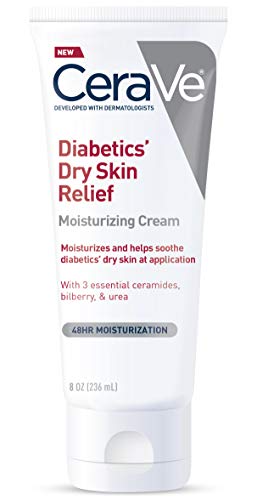
Best Overall Moisturizer: CeraVe Moisturizing Cream
Why It Made the List: CeraVe’s formulation includes three essential ceramides, hyaluronic acid, and a patented delivery system that releases ingredients over time rather than all at once.
Real Testing Experience: I used this twice daily for eight weeks on my body’s roughest areas (elbows, knees, heels). Within two weeks, I noticed reduced flakiness. By week four, texture was noticeably smoother. The 19-ounce tub lasted about two months with daily full-body use.
Texture and Application: Thick cream that initially feels heavy but absorbs within 2-3 minutes without greasiness. Works best applied to slightly damp skin immediately after showering.


Who It’s Best For:
- Anyone with dry or very dry skin
- Those needing fragrance-free products
- People with sensitive skin
- Anyone wanting affordable, proven ingredients
Pros:
- Dermatologist-developed formulation
- Contains effective ceramide blend
- Large size offers good value ($15-18 for 19oz typically)
- Fragrance-free and non-irritating
- Available at most retailers
Cons:
- Thick texture may feel too heavy for some
- Tub packaging less hygienic than pump
- May be too rich for facial use if oily-prone
- Takes time to see full results (not instant)
Price-to-Value: Excellent. High-quality ingredients at drugstore prices.
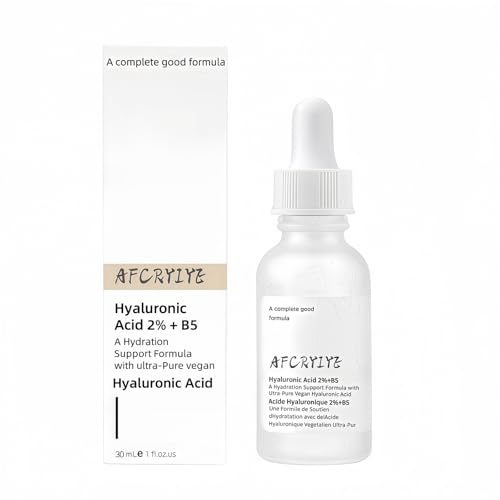
Best Hydrating Serum: The Ordinary Hyaluronic Acid 2% + B5
Why It Made the List: This serum combines multiple molecular weights of hyaluronic acid with vitamin B5 for enhanced hydration at different skin depths.
Real Testing Experience: Applied morning and night under moisturizer for six weeks. Noticed improved skin plumpness and reduced fine lines within two weeks. One bottle (30ml) lasted about six weeks with twice-daily facial use.
Texture and Application: Slightly viscous clear gel that spreads easily. Must be applied to damp skin for best results—this is crucial. If applied to dry skin, it can actually feel tight as it dries.


Who It’s Best For:
- Anyone needing facial hydration
- Those with dehydrated skin (different from dry skin)
- People wanting lightweight products
- Budget-conscious shoppers
Pros:
- Very affordable ($7-8 typically)
- Minimal ingredient list
- Suitable for all skin types
- Layers well under other products
- Cruelty-free brand
Cons:
- Requires damp skin application (not obvious from packaging)
- Slightly sticky feel before absorption
- Needs moisturizer over top (not a standalone product)
- Small bottle size
Price-to-Value: Outstanding for the price point.
Best Body Oil: Bio-Oil Skincare Oil
Why It Made the List: Long-established product with clinical studies showing improvement in skin texture, scars, and stretch marks over 8-12 weeks of consistent use.
Real Testing Experience: Used nightly on arms and legs for ten weeks. Absorption was good (not greasy after 5 minutes). Noticed overall softer skin texture by week three. Also tested on old scars—they became less noticeable but didn’t disappear.
Texture and Application: Lightweight oil that spreads easily. Contains both natural oils and synthetic ingredients for stability and absorption. Slight scent from natural ingredients (not added fragrance).


Who It’s Best For:
- Those preferring oil-based hydration
- People working on scars or uneven texture
- Anyone wanting multi-purpose body care
- Those who shower at night (works best overnight)
Pros:
- Clinically studied formulation
- Multi-purpose (scars, stretch marks, texture)
- Absorbs well for an oil
- A little goes a long way
- Available in multiple sizes
Cons:
- More expensive than basic oils ($10-25 depending on size)
- Contains some synthetic ingredients (if avoiding those)
- Mild scent may bother scent-sensitive people
- Oil format not ideal for daytime use
Price-to-Value: Good for the versatility and proven results.
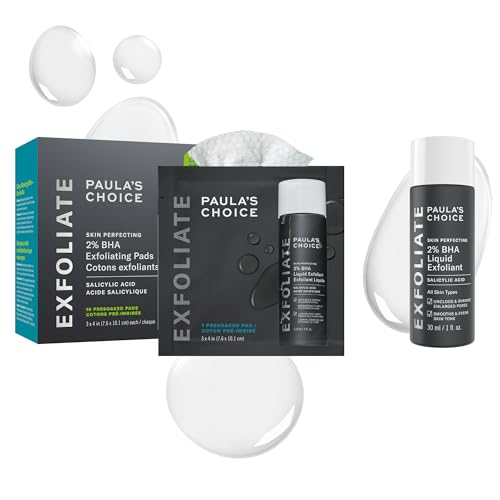
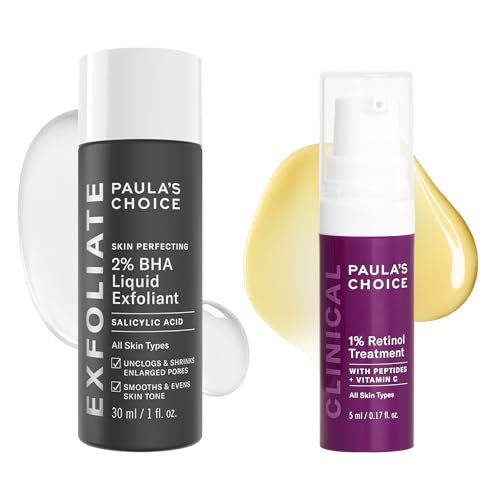
Best Exfoliant: Paula’s Choice 2% BHA Liquid Exfoliant
Why It Made the List: Well-formulated salicylic acid product at effective pH without unnecessary irritants. Consistently top-rated for improving skin texture.
Real Testing Experience: Started with twice-weekly use, gradually increased to every other night over four weeks. Noticed smoother skin texture within two weeks, reduced rough patches by week six. One bottle lasted approximately 12 weeks with regular use.
Texture and Application: Thin liquid applied with cotton pad or hands. No gritty particles (chemical exfoliation). Slight tingle possible initially—normal unless it becomes uncomfortable.

Who It’s Best For:
- Those with rough, bumpy texture
- People with combination or oily skin
- Anyone dealing with clogged pores
- Those comfortable with active ingredients
Pros:
- Effective concentration and pH
- Fragrance-free formulation
- Gentle enough for regular use once adjusted
- Noticeable texture improvement
- Cruelty-free
Cons:
- Pricier than drugstore options ($30-35 typically)
- Requires gradual introduction to avoid irritation
- Not suitable for very sensitive skin
- Can increase sun sensitivity (use SPF)
Price-to-Value: Fair for the quality and results.
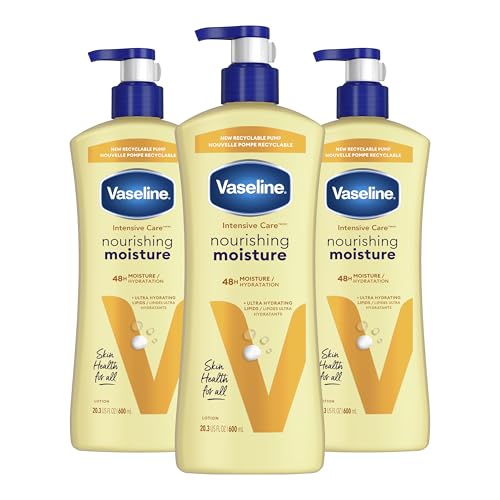
Best Budget Option: Vaseline Intensive Care Advanced Repair Lotion
Why It Made the List: Affordable fragrance-free option with effective moisturizing ingredients that performs better than its low price suggests.
Real Testing Experience: Used daily for four weeks as a comparison to pricier options. Provided good hydration and softened dry patches effectively. Not as sophisticated as CeraVe but delivered solid results for the price.
Texture and Application: Medium-weight lotion that absorbs reasonably well. Micro-droplets of Vaseline jelly provide occlusive benefits without heavy feel.


Who It’s Best For:
- Budget-conscious shoppers
- Those needing large quantities for body use
- People wanting fragrance-free without premium prices
- Anyone building basic routine
Pros:
- Very affordable ($5-7 for 20oz typically)
- Fragrance-free option available
- Good availability
- Effective basic hydration
- Large sizes available
Cons:
- Less sophisticated ingredient list
- Not as elegant feel as pricier options
- Fewer skin-repairing ingredients
- Basic packaging
Price-to-Value: Excellent for budget needs.
check this baby-friendly oils for sensitive skin
Best for Sensitive Skin: Vanicream Moisturizing Cream
Why It Made the List: Formulated specifically without common irritants—no dyes, fragrance, parabens, formaldehyde releasers, or other potential sensitizers.
Real Testing Experience: Tested on eczema-prone areas for six weeks. No irritation occurred, and dry patches improved significantly. Texture became smoother without any adverse reactions.
Texture and Application: Rich cream similar to CeraVe but slightly lighter. Absorbs well without residue. Can be used on face and body.


Who It’s Best For:
- Those with sensitive skin or eczema
- People who react to most products
- Anyone wanting minimal ingredient lists
- Those needing dermatologist-recommended options
Pros:
- Truly fragrance and irritant-free
- Dermatologist recommended
- Suitable for all ages
- Both face and body use
- Available at pharmacies
Cons:
- More expensive than basic lotions ($12-16 for 16oz)
- Tub packaging
- Basic formulation (minimal extras)
- May not provide enough for very dry skin alone
Price-to-Value: Good for sensitive skin needs.
Comparison: Finding Your Match
| Product | Best For | Price Range | Key Ingredients | Texture |
|---|---|---|---|---|
| CeraVe Moisturizing Cream | Dry skin | $15-18/19oz | Ceramides, HA | Thick cream |
| The Ordinary HA + B5 | Dehydrated skin | $7-8/30ml | Hyaluronic acid | Light serum |
| Bio-Oil | Texture/scars | $10-25 | Mixed oils | Lightweight oil |
| Paula’s Choice BHA | Rough texture | $30-35 | Salicylic acid | Liquid |
| Vaseline Advanced Repair | Budget option | $5-7/20oz | Glycerin, petrolatum | Medium lotion |
| Vanicream | Sensitive skin | $12-16/16oz | Minimal ingredients | Rich cream |
Building an Effective Routine
Products work best when used correctly and consistently.
Basic Routine Structure
Morning:
- Cleanse with gentle, non-stripping cleanser
- Apply hydrating serum to damp skin
- Follow with moisturizer
- Apply SPF (essential when using exfoliants)
Evening:
- Cleanse thoroughly
- Apply exfoliant (2-3x weekly, not daily)
- Apply hydrating serum to damp skin
- Use richer moisturizer or add facial oil
- Apply thick cream to body’s driest areas
Weekly:
- Gentle physical exfoliation 1x if needed
- Hydrating mask if desired
- Focus treatment on rough patches
Application Techniques That Matter
For Moisturizers:
- Apply to damp (not wet, not dry) skin within 3 minutes of bathing
- Use gentle patting motions rather than rubbing
- Don’t forget commonly missed areas (back of hands, décolletage)
- Layer thinner products first, thicker products last
For Serums:
- Start with 2-3 drops for full face
- Press into skin rather than rubbing
- Allow 30-60 seconds to absorb before next step
- Can mix with moisturizer if layering feels complicated
For Exfoliants:
- Less is more—don’t over-exfoliate
- Start 1-2x weekly, adjust based on tolerance
- Avoid same day as other potentially irritating products
- Must use sun protection following day
Common Mistakes to Avoid
Over-exfoliating: Using harsh scrubs daily or combining multiple exfoliants damages the skin barrier, paradoxically making texture worse.
Applying to completely dry skin: Moisturizers work better when they trap existing moisture rather than trying to provide all hydration themselves.
Expecting overnight results: Skin cell turnover takes weeks. Most products need 4-8 weeks for noticeable improvement.
Skipping SPF: Sun damage creates rough texture and undoes product benefits. SPF is essential, especially with exfoliants.
Using products wrong for your skin type: Rich creams can cause issues on oily skin; lightweight gels won’t suffice for very dry skin.
Addressing Specific Skin Concerns
Extremely Dry, Rough Patches
Recommended approach:
- Thick occlusive cream applied immediately after bathing
- Consider petroleum jelly on roughest areas overnight
- Gentle chemical exfoliation 2x weekly
- Humidifier in bedroom if climate is very dry
Products: CeraVe Moisturizing Cream + Vaseline + Paula’s Choice BHA
Sensitive Skin Needing Smoothness
Recommended approach:
- Fragrance-free, minimal ingredient products only
- Start very slowly with any new product
- Patch test everything
- Avoid physical scrubs entirely
- Gentle chemical exfoliation only if tolerated
Products: Vanicream Moisturizing Cream + The Ordinary HA (patch test first)
Combination Skin with Rough Patches
Recommended approach:
- Lightweight hydrating products on oily areas
- Richer products on dry patches
- Regular gentle exfoliation
- Different products for face vs. body acceptable
Products: The Ordinary HA for face + CeraVe for body + Paula’s Choice BHA
Aging Skin Losing Softness
Recommended approach:
- Products with ceramides to restore barrier
- Regular gentle exfoliation for cell turnover
- Richer night cream or facial oil
- Consistent sun protection
Products: CeraVe + Bio-Oil + Paula’s Choice BHA + SPF 30+
Understanding Ingredients to Avoid
Some ingredients can actually worsen skin texture despite marketing claims.
Harsh Sulfates
Sodium lauryl sulfate and similar cleansing agents strip natural oils aggressively, damaging the moisture barrier and causing compensatory roughness.
Better alternatives: Gentle surfactants like sodium cocoyl isethionate or cocamidopropyl betaine
Denatured Alcohol (Alcohol Denat)
When listed high in ingredient lists, denatured alcohol dries and irritates skin, particularly problematic for those seeking smoothness.
Note: Fatty alcohols (cetyl, stearyl, cetearyl) are actually beneficial emollients—don’t avoid these.
Artificial Fragrance
Added fragrance provides no skincare benefit and is a top allergen causing irritation that roughens texture.
Better alternative: Fragrance-free products or those scented only with essential oils (if not sensitive)
Harsh Physical Exfoliants
Products with large, irregular particles (crushed walnut shells, apricot kernels) can create micro-tears worsening texture.
Better alternatives: Fine, uniform exfoliants like jojoba beads or chemical exfoliants
Lifestyle Factors That Affect Skin Smoothness
Products work better when supported by healthy habits.
Hydration
Internal hydration affects skin moisture levels. While drinking water alone won’t magically smooth skin, chronic dehydration makes products less effective.
Recommendation: Adequate fluid intake based on your activity level and climate.
Diet Impact
While diet’s effect on skin is often exaggerated, some nutrients support skin health:
- Omega-3 fatty acids support skin barrier
- Antioxidants protect against damage
- Adequate protein provides building blocks
Severe nutritional deficiencies can affect skin texture, but normal varied diets typically suffice.
Sleep Quality
During sleep, skin undergoes repair processes. Chronic poor sleep can affect skin renewal and texture over time.
Hot Water Exposure
Very hot showers strip protective oils and damage moisture barriers. Lukewarm water is gentler while still being comfortable.
Environmental Protection
Beyond SPF, protecting skin from harsh weather (wind, cold, excessive heat) preserves smoothness and prevents damage.
When to Consult a Dermatologist
Some texture issues require professional evaluation rather than over-the-counter products.
Signs to Seek Professional Help
- Persistent rough patches despite consistent care
- Sudden texture changes
- Itching, burning, or pain with rough areas
- Texture accompanied by color changes
- Bumps that don’t respond to treatment
- Suspected infection or medical condition
Conditions That Mimic Simple Dryness
Keratosis pilaris: Genetic condition causing rough bumps, often on arms Eczema: Inflammatory condition needing targeted treatment Psoriasis: Autoimmune condition with characteristic scaling Fungal infections: Require antifungal medication Allergic reactions: Need identification and removal of trigger
Professional diagnosis ensures appropriate treatment rather than guessing with products.
Frequently Asked Questions
How long does it actually take to see results?
Most people notice initial improvement (reduced dryness, slight softening) within 1-2 weeks of consistent use. Significant texture improvement typically requires 4-8 weeks. Maximum benefits often appear around 12 weeks. Results depend on starting condition, product choice, and consistency.
Can I use face products on my body?
Yes, but it’s usually not economical. Facial products often contain higher concentrations of active ingredients and cost more per ounce. Use them on face and body rough patches if desired, but basic body moisturizers work fine for general body use.
Why does my skin feel smooth immediately after moisturizing but rough later?
This suggests you’re using occlusives that sit on the skin surface without providing lasting hydration. Look for products with humectants (hyaluronic acid, glycerin) to draw moisture in, not just occlusives that temporarily smooth the surface.
Are expensive products significantly better?
Not always. Many affordable products contain the same proven ingredients as luxury options. Price often reflects packaging, marketing, and brand positioning rather than pure efficacy. Check ingredient lists—effective ingredients appear in both price ranges.
Can products fix skin texture from sun damage or aging?
Products can improve hydration and smoothness significantly, but they can’t completely reverse structural sun damage or aging changes. Consistent use of proven ingredients provides noticeable improvement, but expectations should remain realistic. Professional treatments (retinoids, professional peels, laser) address deeper damage.
Should I use different products for different body areas?
Often useful. Faces have different needs than bodies—thinner skin, more oil glands, greater sun exposure. Hands need frequent reapplication. Feet benefit from heavier creams. Using targeted products for different areas often works better than one product everywhere.
Do I need to use products from the same brand/line?
No. Products from different brands work together fine as long as ingredients are compatible. Mix and match based on what works for your needs and budget. The only consideration is layering order (thinnest to thickest consistency).
Final Recommendations and Key Takeaways
Achieving genuinely smoother, softer skin requires the right combination of effective ingredients, proper application, and realistic expectations.
For best results:
- Choose products with proven ingredients (hyaluronic acid, ceramides, glycerin)
- Apply moisturizers to damp skin within minutes of bathing
- Be consistent—sporadic use won’t deliver results
- Exfoliate gently and regularly, but don’t overdo it
- Protect your skin from sun damage and harsh weather
- Give products adequate time to work (4-8 weeks minimum)
- Adjust your routine based on what your skin tells you
Budget-friendly approach: Start with Vaseline Advanced Repair for body and The Ordinary HA for face. Add gentle exfoliation weekly. This basic approach costs under $15 and provides legitimate results for most people.
Comprehensive approach: Use CeraVe Moisturizing Cream daily, The Ordinary HA under moisturizer, Paula’s Choice BHA 2-3x weekly, and Bio-Oil on rough patches. This combination addresses multiple texture issues effectively.
Sensitive skin approach: Vanicream Moisturizing Cream plus patch-tested hyaluronic acid serum. Skip exfoliants unless your skin clearly tolerates them.
Remember that skin responds individually. What works excellently for one person may not suit another. Pay attention to how your skin responds and adjust accordingly. The goal is progress over time, not perfection overnight.
Read more on our Post on practical baby shower gift ideas

Related Posts
Discover the Best Facial Toner Pads for Radiant Skin
I Tested 8 Toner Pads So You Don't Waste Money on Wrong Ones Three months ago, I had seven different jars of toner pads sitting on my bathroom counter, each…
Truly Beauty Oils for Baby Skin – Gentle Hydration & Care
Finding the perfect oil for your baby’s delicate skin can feel like a daunting task. With sensitive skin that’s prone to dryness, irritation, or conditions like eczema, you need products…
Top Korean Beauty Products for Glowing Skin | Shop Now
Looking for that radiant, dewy glow that makes your skin look effortlessly fresh? You’re not alone. Korean skincare—aka K-beauty—has taken the beauty world by storm, thanks to its innovative formulas…