
Why I Stopped Impulse Buying Dresses and Started Understanding Them
My closet used to be full of dresses I wore once or never at all. You know the type—looked great on the hanger, terrible on my body. Or fit perfectly in the store but shrank after one wash. Or seemed appropriate for work until I actually sat down in it at the office.
I probably wasted $500 over two years on dresses that didn’t work because I didn’t understand basic principles about fit, fabric, construction, and what actually works for my body type and lifestyle. I just bought things that looked pretty or were on sale.
Everything changed when I spent time actually learning about dress construction, fabric properties, and how different silhouettes work with different body proportions. Not trendy fashion advice that changes every season, but fundamental principles that help you choose dresses that actually work for you.
This guide shares what I learned about selecting dresses intelligently—whether you’re shopping online, in stores, at any price point. Understanding these principles saves money, reduces returns, and results in a wardrobe full of dresses you actually wear.
These aren’t product recommendations (though I’ll mention where certain dress types can be found). This is education about making informed choices regardless of where you shop.
Understanding Dress Silhouettes: What Works and Why
Before buying any dress, understanding basic silhouettes helps you choose styles that complement your body proportions and suit your needs.
A-Line Dresses
Construction: Fitted at shoulders/bust, gradually widens toward hem creating an “A” shape. The waist may be defined or relaxed depending on style.
Body types that work well:
- Pear shapes (balances wider hips)
- Apple shapes (skims midsection without clinging)
- Hourglass (emphasizes waist when fitted)
- Most body types (very versatile silhouette)
Best occasions:
- Professional settings (modest, polished)
- Casual daywear (comfortable, easy movement)
- Semi-formal events (can be dressed up/down)
What to look for:
- Waist seam placement (should hit your natural waist)
- Skirt fullness (moderate flare is most versatile)
- Length appropriate for occasion and height
Common fit issues:
- Too much flare can overwhelm petite frames
- If fitted waist is too tight, size up (can’t alter this easily)
- Skirt may ride up if hip measurement is tight
Sheath Dresses
Construction: Follows body’s natural lines without excessive volume. Fitted but not tight, creating a streamlined silhouette from shoulders to hem.
Body types that work well:
- Rectangle shapes (creates curves through structured fit)
- Hourglass (showcases proportions)
- Inverted triangle (balances broader shoulders)
Best occasions:
- Professional/office environments (polished, serious)
- Business meetings or interviews
- Conservative formal events
What to look for:
- Structured fabrics that hold shape (wool blends, ponte knit)
- Proper length (knee or just below for professional settings)
- Lining (prevents transparency and improves drape)
- Ease of movement when sitting
Common fit issues:
- Shows every body line (requires proper undergarments)
- Can be restrictive if too tight
- Rides up when sitting if not properly fitted
- May emphasize midsection on apple shapes
Wrap Dresses
Construction: Front panels cross over and tie at waist, creating V-neckline and adjustable fit. Can be true wrap (ties only) or faux wrap (sewn with tie detail).
Body types that work well:
- Most body types (adjustable nature is forgiving)
- Hourglass (emphasizes waist)
- Apple shapes (creates waist definition)
- Postpartum or fluctuating weight (adjusts easily)
Best occasions:
- Versatile for multiple settings
- Professional environments (modest neckline)
- Casual daywear
- Nursing-friendly (easy access)
What to look for:
- Secure tie or snap closures (prevents gaping)
- Appropriate neckline depth (not too revealing when moving)
- Length of ties (should be long enough to wrap and tie securely)
- Inner snaps or hooks for security
Common fit issues:
- Neckline can gap when bending forward
- Ties can come undone without proper closures
- May not work for very small busts (excess fabric)
- Wrap can shift during wear
Maxi Dresses
Construction: Full-length dress reaching ankles or floor. Can be fitted, A-line, or flowing depending on cut.
Body types that work well:
- Taller frames (proportional length)
- Pear shapes (flowing skirt balances proportions)
- Apple shapes (empire waist styles skim midsection)
Best occasions:
- Casual daywear (comfortable, easy)
- Beach or resort settings
- Informal summer events
- Casual religious services
What to look for:
- Proper length for your height (should not drag on ground)
- Empire or defined waist (prevents shapeless look)
- Appropriate fabric weight (heavy fabrics drag on petite frames)
- Slit for walking ease
Common fit issues:
- Too long on petite frames (hemming required)
- Can overwhelm shorter heights
- Excess fabric can be cumbersome
- May look frumpy without waist definition
Shift Dresses
Construction: Straight, boxy cut that hangs from shoulders without waist definition. Minimal shaping or structure.
Body types that work well:
- Rectangle/athletic builds (doesn’t require curves)
- Petite frames (in shorter lengths)
- Those wanting comfort over fitted styles
Best occasions:
- Casual daywear
- Creative professional environments
- Weekend activities
- Maternity (early stages)
What to look for:
- Structured fabrics (prevent tent effect)
- Appropriate length (above knee usually most flattering)
- Interesting details (texture, pattern, neckline)
- Proportional fit in shoulders
Common fit issues:
- Can look shapeless without styling
- May emphasize lack of waist on some body types
- Boxy fit unflattering if too large
- Limited versatility for formal occasions
For versatile styling, explore these women’s skirts that elevate any wardrobe.
Fabric Fundamentals: What Actually Matters
Fabric choice affects comfort, durability, maintenance, and how a dress wears over time. Understanding basic fabric properties helps you make better purchasing decisions.
Natural Fibers
Cotton:
- Properties: Breathable, absorbent, comfortable in heat
- Pros: Machine washable, durable, hypoallergenic
- Cons: Wrinkles easily, can shrink, may fade
- Best for: Casual dresses, summer wear, everyday use
- Care: Machine wash cold, tumble dry low or hang dry
- Quality indicators: Higher thread count, heavier weight, tight weave
Linen:
- Properties: Very breathable, crisp texture, natural slub
- Pros: Excellent for hot weather, gets softer with washing
- Cons: Wrinkles extensively (considered part of aesthetic), can be scratchy initially
- Best for: Summer dresses, resort wear, relaxed styles
- Care: Machine wash gentle, air dry, iron while damp
- Quality indicators: Even weave, minimal stiffness, Belgian or Irish linen
Silk:
- Properties: Luxurious feel, natural sheen, temperature regulating
- Pros: Drapes beautifully, feels elegant, hypoallergenic
- Cons: Expensive, requires careful care, water spots easily
- Best for: Formal dresses, special occasions, luxury pieces
- Care: Dry clean or hand wash cold, air dry flat, low iron
- Quality indicators: Momme weight (higher = better quality), uniform sheen
Wool:
- Properties: Warm, naturally wrinkle-resistant, structured
- Pros: Professional appearance, holds shape, long-lasting
- Cons: Can be itchy, requires dry cleaning, moths can damage
- Best for: Professional dresses, fall/winter wear, structured styles
- Care: Dry clean or hand wash cold, air dry flat
- Quality indicators: Super number (higher = finer, softer), merino is less itchy
Synthetic Fibers
Polyester:
- Properties: Wrinkle-resistant, durable, quick-drying
- Pros: Affordable, easy care, holds color well
- Cons: Less breathable, can feel plasticky, pills over time
- Best for: Budget dresses, work wear, travel clothing
- Care: Machine wash warm, tumble dry low
- Quality indicators: Brushed or textured finish (feels less cheap), blended with natural fibers
Rayon/Viscose:
- Properties: Drapes well, soft feel, semi-synthetic (from cellulose)
- Pros: Affordable, comfortable, breathable
- Cons: Wrinkles easily, can shrink, loses shape when wet
- Best for: Casual dresses, flowing styles, budget options
- Care: Dry clean or hand wash cold, air dry flat
- Quality indicators: Modal or Tencel (higher quality rayon types)
Spandex/Elastane:
- Properties: Stretch and recovery, always blended with other fibers
- Pros: Improves fit and comfort, allows movement
- Cons: Can lose elasticity over time, heat-sensitive
- Best for: Fitted dresses, active wear, comfort
- Care: Avoid high heat (damages elastic fibers)
- Quality indicators: 2-5% blend (enough stretch without looking cheap)
Fabric Blends
Most dresses use fabric blends to combine benefits of different fibers:
Common beneficial blends:
- Cotton/Polyester: Reduces wrinkles while maintaining breathability
- Wool/Polyester: Adds durability to wool, reduces cost
- Rayon/Spandex: Drapes well with stretch comfort
- Linen/Cotton: Reduces linen wrinkles, softens texture
Quality blend ratios:
- Higher natural fiber percentage usually indicates better quality
- 5% or less spandex provides stretch without looking cheap
- 100% synthetic is fine for budget pieces but may not wear as well
Fabric Weight and Season Appropriateness
Lightweight (under 4 oz):
- Summer dresses, layering pieces
- Flows and moves easily
- May require lining to prevent transparency
- Examples: chiffon, lightweight cotton, georgette
Medium weight (4-8 oz):
- Year-round versatility
- Most common for everyday dresses
- Good structure without bulk
- Examples: jersey, ponte knit, cotton poplin, medium-weight rayon
Heavyweight (over 8 oz):
- Fall/winter dresses
- Professional structured styles
- Holds shape well
- Examples: wool, heavy cotton, brocade, velvet
Choosing appropriate fabric weight for season and occasion improves comfort significantly.
Understanding Dress Sizing: Why It’s Complicated
Dress sizing varies dramatically between brands, countries, and even within the same brand’s different lines. Understanding this helps set realistic expectations.
Why Sizing Varies
Vanity sizing: Brands size down numbers to make shoppers feel smaller. A size 8 today might have been a size 12 twenty years ago.
Target market differences: Brands design for their typical customer. A brand targeting younger shoppers may run smaller than one targeting older demographics.
Country standards:
- US sizing differs from UK, European, and Asian sizing
- No legal standard exists for US clothing sizes
- International size charts are approximations
Style differences:
- Fitted dresses may size differently than loose styles within same brand
- Stretch fabrics often run smaller (relying on fabric give)
- Woven fabrics require more precise sizing
How to Measure Yourself Accurately
You need three measurements minimum:
Bust: Measure around fullest part of chest, keeping tape parallel to floor. Wear the bra you’ll wear with the dress.
Waist: Measure around natural waist (narrowest part, usually 1-2 inches above belly button). Don’t suck in or pull tape tight.
Hips: Measure around fullest part of hips and bottom, usually 7-9 inches below waist. Keep tape parallel to floor.
Additional helpful measurements:
- Shoulder width (seam to seam across back)
- Sleeve length (shoulder to wrist)
- Dress length preference (shoulder to desired hem point)
Measuring tips:
- Use flexible measuring tape (not metal or ruler)
- Measure over thin clothing or undergarments only
- Have someone help for accuracy
- Measure multiple times, use average
- Re-measure every 6-12 months (bodies change)
Reading Size Charts Effectively
Compare YOUR measurements to the chart, not your usual size: Your measurements might fall into different sizes for bust vs. waist vs. hips.
When measurements span multiple sizes:
- For fitted dresses: choose size that fits largest measurement
- For loose dresses: can sometimes size down
- Consider where you want the fit (if waist is defined, size to waist)
Look for measurement tolerance: Some brands note “+/- 1 inch” variance in manufacturing, which is normal.
Check if measurements are garment or body:
- Body measurements: your actual measurements
- Garment measurements: the dress’s measurements (usually 1-2 inches larger than body)
Size Chart Red Flags
Missing size chart entirely: Suggests lower quality or inconsistent manufacturing
Vague sizing (S/M/L only without measurements): Impossible to know if it will fit
Unrealistic proportions: If a “medium” lists 34″ bust and 38″ hips, that’s unusual and may indicate poor grading
Same measurements across multiple sizes: Manufacturing quality issue
[Internal Link Placeholder 2: Link to “How to Take Accurate Body Measurements at Home”]
Dress Shopping for Different Occasions
Different settings require different levels of formality, coverage, and style. Understanding these helps you choose appropriately.
Professional/Office Dresses
Appropriate characteristics:
- Knee length or slightly below
- Modest neckline (no deep V or excessive cleavage)
- Sleeves or structured sleeveless (not spaghetti straps)
- Opaque fabric (fully lined)
- Conservative colors and patterns
- Allows comfortable sitting and movement
Common professional dress codes:
Business formal:
- Sheath or A-line dresses in conservative colors
- Structured fabrics (wool, ponte knit)
- Paired with blazer
- Closed-toe shoes
- Minimal jewelry
Business casual:
- More flexibility in color and pattern
- Can include wrap dresses, shift styles
- Sleeveless acceptable if appropriate
- Can skip blazer
- More relaxed fabrics acceptable
Smart casual (creative fields):
- Patterned or brighter colored dresses acceptable
- Varied hemlines (still appropriate lengths)
- More relaxed styles like shirt dresses
- Comfort prioritized alongside professionalism
What to avoid professionally:
- Mini lengths (more than 2-3 inches above knee)
- Bodycon/extremely fitted styles
- Overly casual fabrics (jersey, athleisure)
- Beach or resort appropriate styles
- Excessive skin showing
Formal Event Dresses
Wedding guest dresses:
- Avoid white, ivory, cream (reserved for bride)
- Match formality to invitation (black tie vs. cocktail vs. casual)
- Consider venue and time (garden vs. ballroom, daytime vs. evening)
- Respectful coverage in religious settings
- Comfortable for hours of wear
Cocktail attire:
- Knee to midi length typically
- Can include fun patterns or embellishments
- Dressier fabrics (silk, satin, lace)
- Paired with heels or dressy flats
Black tie/formal:
- Floor-length or sophisticated knee-length
- Luxurious fabrics
- Elegant, refined styling
- Paired with formal accessories
Casual Everyday Dresses
Characteristics:
- Comfortable fabrics with some stretch
- Easy care (machine washable preferred)
- Appropriate coverage for planned activities
- Allows freedom of movement
- Pockets (highly valued feature)
Versatile casual dress types:
- Shirt dresses (button-front, collar)
- T-shirt dresses (jersey, relaxed fit)
- Sundresses (warm weather, light fabrics)
- Maxi dresses (comfortable, full coverage)
Styling for different casual settings:
- Errands: comfortable shoes, minimal accessories, practical bag
- Casual dining: add jewelry, nicer shoes, small purse
- Outdoor events: appropriate footwear, sun protection, layering options
Evaluating Dress Quality Before Buying
Whether shopping online or in person, certain quality indicators help you assess if a dress is well-made.
Construction Quality Indicators
Seams:
- Straight, even stitching
- No puckering or pulling
- Finished seams (not raw edges)
- Reinforced stress points (underarms, where zipper meets seam)
Hems:
- Even width all around
- Appropriate finish for fabric type
- No loose threads
- Properly pressed
Zippers:
- Smooth operation
- Quality hardware (metal better than plastic for formal dresses)
- Properly aligned with fabric
- Hidden or attractively integrated into design
Buttons and closures:
- Securely attached with reinforcement
- Quality materials (not cheap plastic for formal dresses)
- Functional buttonholes with clean edges
- Sufficient number of buttons/snaps to prevent gaping
Lining:
- Present in dresses where needed (opacity, structure)
- Same or complementary color to outer fabric
- Moves smoothly with dress
- Properly attached at all points
Pattern matching:
- Stripes or plaids align at seams
- Patterns centered appropriately
- Symmetrical left to right
Fabric Quality Assessment
Online:
- Check fabric content (higher natural fiber often better quality)
- Read descriptions about fabric weight and texture
- Look for customer reviews mentioning fabric quality
- Zoom in on product photos to see fabric texture
In person:
- Feel fabric for softness, weight, texture
- Hold up to light to check density and weave quality
- Stretch fabric gently to test recovery
- Check for fabric flaws (thin spots, pulls, uneven dyeing)
Red Flags to Avoid
Poor construction:
- Uneven hems or seams
- Loose threads everywhere
- Puckering around zippers or seams
- Buttons hanging loosely
Fabric issues:
- Very thin, see-through fabric (unless style requires)
- Chemical smell
- Excessive pilling or fuzzing (in new garment)
- Uneven dyeing or color bleeding
Sizing inconsistencies:
- Measurements that don’t match size chart
- Left and right sides noticeably different
- Asymmetrical hem (unless intentional design)
Online Shopping Strategies
Shopping for dresses online requires different strategies than in-store shopping.
Using Customer Reviews Effectively
What to look for:
- Fit feedback: “Runs small,” “True to size,” “Generous fit”
- Fabric reviews: Quality, thickness, comfort, breathability
- Construction: How it held up to washing, seam quality
- Length: Actual measurements from reviewers of different heights
- Photos: Real people in various sizes showing actual fit
Reviews to prioritize:
- Verified purchases only
- Reviewers with similar measurements to yours
- Recent reviews (current production quality)
- Detailed reviews over brief ones
- Reviews with photos
Be skeptical of:
- All 5-star reviews (could be filtered or fake)
- Vague reviews without details
- Reviews complaining about issues unrelated to product
- Single-sentence reviews
Photography Analysis
Product photos:
- Check if model’s measurements are listed
- Note styling tricks (clips, pins to make it look fitted)
- Look at multiple angles
- Zoom in on fabric texture and construction details
Customer photos:
- More realistic fit representation
- Shows how fabric photographs vs. looks in person
- Various body types wearing same dress
- Different lighting conditions
Size Selection Strategies
When between sizes:
- For fitted styles: size up (easier to take in than let out)
- For loose styles: either size can work (depends on desired fit)
- Consider where you want the fit (if waist-defined, size to waist measurement)
Order multiple sizes if:
- Reviews indicate inconsistent sizing
- Your measurements span two sizes
- It’s for an important event (worth the hassle)
- Return shipping is free
First-time brand purchases:
- Read multiple reviews about sizing
- Check if brand has consistent sizing across styles
- May be worth ordering a test item in less expensive style first
Return Policy Essentials
Before ordering:
- Confirm return window length
- Check if return shipping is free
- Understand restocking fees
- Note if final sale/non-returnable
- Check who pays return shipping
Keep in mind:
- Try on immediately upon arrival
- Keep all tags attached until certain
- Save packaging for potential return
- Document any defects with photos
- Process returns promptly
Building a Functional Dress Wardrobe
Rather than accumulating many dresses you rarely wear, strategic purchases create versatile options.
The Capsule Approach
Core dress types most people use:
1. Professional dress (1-2):
- Neutral color (black, navy, gray)
- Appropriate length and coverage
- Comfortable for full workday
- Easy care fabric
2. Casual day dress (2-3):
- Comfortable, easy wear
- Machine washable
- Versatile styling options
- Appropriate for multiple casual settings
3. One dressy option:
- Semi-formal to formal
- Flattering fit
- Appropriate for weddings, nice dinners, events
- Classic style (won’t date quickly)
4. Seasonal specialty (optional):
- Summer sundress or winter sweater dress
- Climate and lifestyle dependent
Color and Pattern Strategy
Start with neutrals:
- Black, navy, gray, camel, or white
- Maximum versatility
- Easy to accessorize
- Appropriate for most settings
Add strategic color:
- Consider your coloring (warm vs. cool tones)
- Choose colors you genuinely wear
- One or two accent colors go further than many
- Can add color through accessories instead
Pattern considerations:
- Solid colors most versatile
- Small-scale patterns more versatile than large
- Classic patterns (stripes, small florals) outlast trendy ones
- Busy patterns harder to accessorize
Investment vs. Budget Pieces
Worth investing in:
- Professional dresses worn weekly
- Classic formal dress for events
- Well-made dresses in flattering styles you’ll wear repeatedly
- Quality fabrics that last (silk, wool, quality cotton)
Budget options work for:
- Trendy styles you’ll tire of
- Rarely worn occasion dresses
- Seasonal pieces with short lifespan
- Testing new styles before investing
Care and Maintenance
Proper care extends dress lifespan significantly.
Washing Guidelines
Read care labels:
- Follow manufacturer instructions
- Understand symbols (international laundry symbols)
- Note special requirements before purchasing
General washing tips:
- Wash dresses inside out (protects outer fabric)
- Use appropriate water temperature
- Choose gentle cycle for delicate fabrics
- Avoid overloading machine
- Remove promptly to reduce wrinkles
Hand washing delicates:
- Use cool water and gentle detergent
- Swish gently, don’t wring or twist
- Rinse thoroughly
- Roll in towel to remove excess water
- Lay flat or hang to dry
Drying and Storage
Drying:
- Air drying gentler on all fabrics
- If machine drying, use low heat
- Remove while slightly damp to reduce wrinkles
- Never dry silk, wool, or delicate fabrics in machine
Ironing:
- Check appropriate temperature for fabric
- Use steam when appropriate
- Iron inside out or use pressing cloth
- Hang immediately after ironing
Storage:
- Hang dresses that wrinkle easily
- Fold knit dresses (hanging stretches them)
- Use appropriate hangers (padded for delicates, wooden for structured)
- Store clean (stains set over time)
- Use garment bags for special occasion dresses
- Avoid overcrowding (causes wrinkles)
Repair and Alterations
Simple repairs worth doing:
- Replacing buttons
- Repairing small seams
- Hemming length
- Taking in simple side seams
Professional alterations:
- Complex fitting issues
- Shortening lined dresses
- Adjusting shoulder or armhole fit
- Adding or removing darts
Cost considerations:
- Alteration costs can exceed dress cost for budget pieces
- Worth it for quality dresses or perfect-except-for-one-thing finds
- Get quote before committing
Where to Find Quality Dresses Online
While this guide focuses on helping you understand dress principles rather than promoting specific retailers, applying these quality standards when shopping online leads to better purchasing decisions.
Shopping on Amazon for Dresses
Amazon (available at amazon.com in the US, amazon.co.uk in the UK, and various international domains) offers an extensive selection of women’s dresses across all price points and styles. The platform’s structure makes it particularly useful for applying the principles discussed in this guide:
Budget-conscious options (under $50): Amazon’s marketplace includes numerous affordable dress options. When shopping at this price point, the fabric content and construction quality assessment skills from this guide become especially important. Customer reviews frequently mention fabric thickness, sizing accuracy, and construction quality—use these to filter options.
Mid-range selections ($50-150): Many established brands sell through Amazon at this price range, offering better fabric quality and construction. The review system helps identify which brands consistently deliver quality at this tier.
Premium and investment pieces ($150+): Designer brands and specialty dress makers also list on Amazon. These higher-priced options often feature the quality fabrics, construction techniques, and timeless silhouettes discussed earlier in this guide.
Why Amazon Works for Informed Dress Shopping
Detailed product information: Most listings include fabric content, measurements, size charts, and care instructions—all essential for applying the knowledge from this guide.
Customer review system: Verified purchase reviews often include fit feedback, fabric quality assessments, and photos showing real people in various sizes. This information helps you apply the sizing and quality evaluation principles we’ve covered.
Return policies: Amazon generally offers straightforward return processes, which is crucial when buying dresses online. Always verify the specific return window and requirements for each item, as some third-party sellers may have different policies.
Size variety: The platform typically offers extended size ranges including petite, plus, and tall options, making it easier to find dresses cut for your body proportions.
Applying This Guide When Shopping Amazon
Use search filters effectively: Filter by fabric type (cotton, linen, silk, etc.), price range, size, and customer ratings. This narrows results to dresses meeting your specific requirements.
Read reviews strategically:
- Look for verified purchase reviews
- Find reviewers with similar measurements
- Check recent reviews (quality can change over time)
- Pay attention to fabric thickness, construction, and sizing consistency mentions
- Look at customer photos for realistic fit examples
Analyze product listings:
- Check detailed fabric composition
- Look for measurement charts
- Verify care instructions match your lifestyle
- Zoom in on construction photos
- Read full product descriptions
Compare similar items: Amazon’s interface makes it easy to compare similar dresses side-by-side. Use the quality indicators from this guide to evaluate which option offers better value.
Check seller information: Note whether items ship from and are sold by Amazon directly or third-party sellers. Return policies and shipping times may vary.
Practical Amazon Shopping Strategy
Before adding to cart:
- Verify fabric content meets your needs
- Compare your measurements to size chart
- Read at least 10-15 recent reviews
- Check customer photos if available
- Confirm return policy for specific item
- Note shipping timeline for time-sensitive purchases
When ordering:
- Consider ordering two sizes if measurements fall between sizes
- Save product photos and description (useful for returns)
- Keep packaging until certain you’re keeping the dress
- Try on immediately upon arrival while return window is fresh
After receiving:
- Try on with appropriate undergarments and shoes
- Test movement (sitting, raising arms, bending)
- Check construction quality (seams, hem, closures)
- Assess fabric quality against description
- Initiate returns promptly if needed
Making the Most of Amazon’s Features
Prime membership benefits: Free two-day shipping on eligible items can be valuable for trying multiple sizes or comparing options without additional shipping costs.
Subscribe & Save: If you find dress basics you love (like simple tank dresses or work sheaths), Subscribe & Save can reduce costs on repurchases.
Amazon Wardrobe (where available): Try Before You Buy allows you to receive items, try them at home, and only pay for what you keep. Particularly useful for dresses when you’re uncertain about fit.
Wish lists: Save dresses you’re considering to track price changes and compare options over time.
Important Reminders for Amazon Shopping
Sizing varies by brand: Even on the same platform, different brands have different size standards. Always check the specific brand’s size chart, not your “usual” size.
Review dates matter: A dress with 5-star reviews from three years ago may have changed manufacturers or quality. Prioritize recent feedback.
Photos can be misleading: Product photos may show dresses clipped, pinned, or styled in ways that don’t represent how they’ll fit you. Customer photos provide more realistic expectations.
Third-party sellers: Amazon hosts many third-party sellers. Check seller ratings, return policies, and shipping locations (international shipping may have longer timelines).
When Amazon Shopping Works Best
Amazon’s dress selection works particularly well when you:
- Know your measurements accurately
- Understand which silhouettes work for your body
- Can articulate what fabrics you prefer
- Read and evaluate reviews critically
- Have time for potential returns and exchanges
- Want to compare many options efficiently
The platform’s strength is variety and accessibility. The principles in this guide help you navigate that variety effectively without becoming overwhelmed by choices or disappointed by quality.
Many outfits pair beautifully with these comfortable women’s leggings for daily wear.
Common Dress Fit Problems and Solutions
Understanding typical fit issues helps you troubleshoot and decide if alterations are worth it.
Gaping Neckline
Problem: Fabric pulls away from chest, especially with movement
Causes:
- Bust smaller than dress assumes for that size
- Neckline cut too large
- Lack of structure in bodice
Solutions:
- Size down if possible
- Add dress tape or fashion tape
- Professional alteration (take in at shoulders or add darts)
- Wear supportive bra that fills bodice better
Tight Across Bust
Problem: Pulling, straining, or wrinkling across chest
Causes:
- Size too small
- Dress cut for smaller bust
- Wrong style for body type
Solutions:
- Size up (easiest)
- Look for styles with bust darts or princess seams
- Avoid button-front dresses if they gap
- Consider dresses with stretch
Waist Hits Wrong Place
Problem: Defined waist is too high or too low for your torso
Causes:
- Dress designed for different torso length
- You’re petite or tall compared to standard sizing
Solutions:
- Look for petite or tall sizing
- Difficult to alter (major reconstruction required)
- Try different brands (fit varies)
- Choose styles without defined waist
Dress Too Long or Short
Problem: Hem falls at unflattering point or drags ground
Causes:
- Height difference from standard sizing
- Dress not offered in petite/tall versions
Solutions:
- Hemming (simple alteration)
- Look for adjustable straps on certain styles
- Check petite or tall sizing
- Accept that some lengths won’t work for your height
Shoulders Too Narrow or Wide
Problem: Shoulder seams don’t align with your shoulders
Causes:
- Shoulder width different from standard sizing
- Dress cut for different body proportions
Solutions:
- Difficult to alter
- Try different brands (shoulder width varies)
- Choose styles without defined shoulder seams
- Wear blazer or cardigan to disguise
Dress Rides Up
Problem: Hem rises when walking or sitting
Causes:
- Hips wider than dress allows
- Fabric doesn’t have enough give
- Cut too narrow
Solutions:
- Size up
- Look for styles with more room in hips
- Choose fabrics with stretch
- Longer length may help
Sustainable Dress Shopping Considerations
Making thoughtful purchases reduces waste and environmental impact.
Quality Over Quantity
Buy fewer, better dresses:
- One quality dress worn 50 times better than 5 cheap dresses worn once
- Calculate cost-per-wear, not just initial price
- Consider longevity in purchase decision
Choose timeless styles:
- Classic silhouettes outlast trends
- Neutral colors remain versatile
- Well-made pieces worth repairing
Fabric Environmental Impact
More sustainable natural fibers:
- Organic cotton (less pesticide use)
- Linen (low environmental impact)
- Tencel/Lyocell (closed-loop production)
- Wool from responsible sources
Less sustainable options:
- Conventional cotton (high water and pesticide use)
- Virgin polyester (petroleum-based)
- Rayon/viscose (chemical-intensive unless closed-loop)
Consider:
- Fabric certifications (GOTS, OEKO-TEX)
- Brand transparency about sourcing
- Durability (longer-wearing = less waste)
Care for Longevity
Extend dress life:
- Follow care instructions
- Repair minor damage promptly
- Store properly
- Rotate dresses (rest between wears)
When to replace:
- Fabric worn thin or damaged beyond repair
- Significant staining that won’t remove
- Style no longer appropriate for your life
- Fit changed and alteration not cost-effective
End of Life Options
Before discarding:
- Donate if still wearable
- Sell if quality/designer piece
- Repurpose fabric for other projects
- Textile recycling programs
Frequently Asked Questions
How many dresses should I own?
There’s no magic number—it depends entirely on your lifestyle. Someone working in business formal environments may need 5-7 professional dresses, while someone with casual dress codes might need only 1-2. Consider your actual wear patterns rather than arbitrary numbers. A functional wardrobe might include 2-3 professional dresses, 3-4 casual dresses, and 1 formal option.
Can I wear the same dress to multiple events?
Absolutely. Changing accessories, shoes, hair, and styling makes the same dress look different. Most people won’t remember what you wore unless it’s an extremely distinctive dress. Investing in versatile dresses you can style multiple ways provides better value than single-occasion pieces.
How do I know if a dress is worth the price?
Calculate cost-per-wear. A $200 dress worn 50 times costs $4 per wear. A $40 dress worn 3 times costs $13.33 per wear. Consider fabric quality, construction, versatility, and how often you’ll realistically wear it. Price alone doesn’t indicate value—fit and functionality matter more.
Should I buy dresses in my current size or aspirational size?
Always buy for your current body. Aspirational sizing creates closet clutter and disappointment. If your size changes, you can sell or donate and replace. Wearing properly-fitted clothes for your current body looks better and feels better than squeezing into too-small items.
How can I tell if a dress will photograph well?
Solid colors and simple patterns typically photograph better than busy prints. Avoid very bright whites (can overexpose) and very dark blacks (can lose detail). Structured dresses photograph better than very loose or clingy styles. Consider how the neckline and silhouette will look from various angles.
What should I do if a dress fits everywhere except one area?
Evaluate if the issue is alterable and cost-effective. Minor adjustments (hemming, taking in seams) are usually worth it for otherwise perfect dresses. Major reconstructions (changing shoulder width, bust, or waist placement) often cost more than the dress is worth unless it’s a special or expensive piece. Sometimes it’s better to keep searching for a dress that fits better initially.
How do I transition a dress from day to night?
Swap accessories, shoes, and sometimes outerwear. Day: casual shoes, minimal jewelry, practical bag, cardigan or blazer. Night: dressy shoes, statement jewelry, clutch or small bag, remove daytime layers. Hair and makeup changes also transform the look. Versatile dresses in solid colors transition most easily.
Final Recommendations
After researching dress construction, fabrics, and fit principles, here’s practical guidance:
Prioritize fit over everything: A perfectly-fitted budget dress looks better than an expensive dress that doesn’t fit properly. Spend time understanding your measurements and learning which silhouettes work for your proportions.
Understand fabric properties: Know how different fabrics perform, care for them properly, and choose appropriate fabrics for your intended use. This knowledge prevents disappointment and extends garment life.
Build strategically: Start with versatile, quality pieces in styles you’ll actually wear. Resist impulse purchases of trendy items you’ll wear once. Calculate cost-per-wear, not just sticker price.
Learn basic fit assessment: Understanding why a dress does or doesn’t fit helps you make better purchases and know when alterations are worth it.
Shop with knowledge, not emotion: Understand silhouettes, fabrics, and quality indicators before shopping. Make purchases based on how a dress meets your needs, not just how it looks on the hanger.
The goal isn’t collecting many dresses—it’s having dresses you actually wear because they fit well, suit your lifestyle, and make you feel confident.

Related Posts
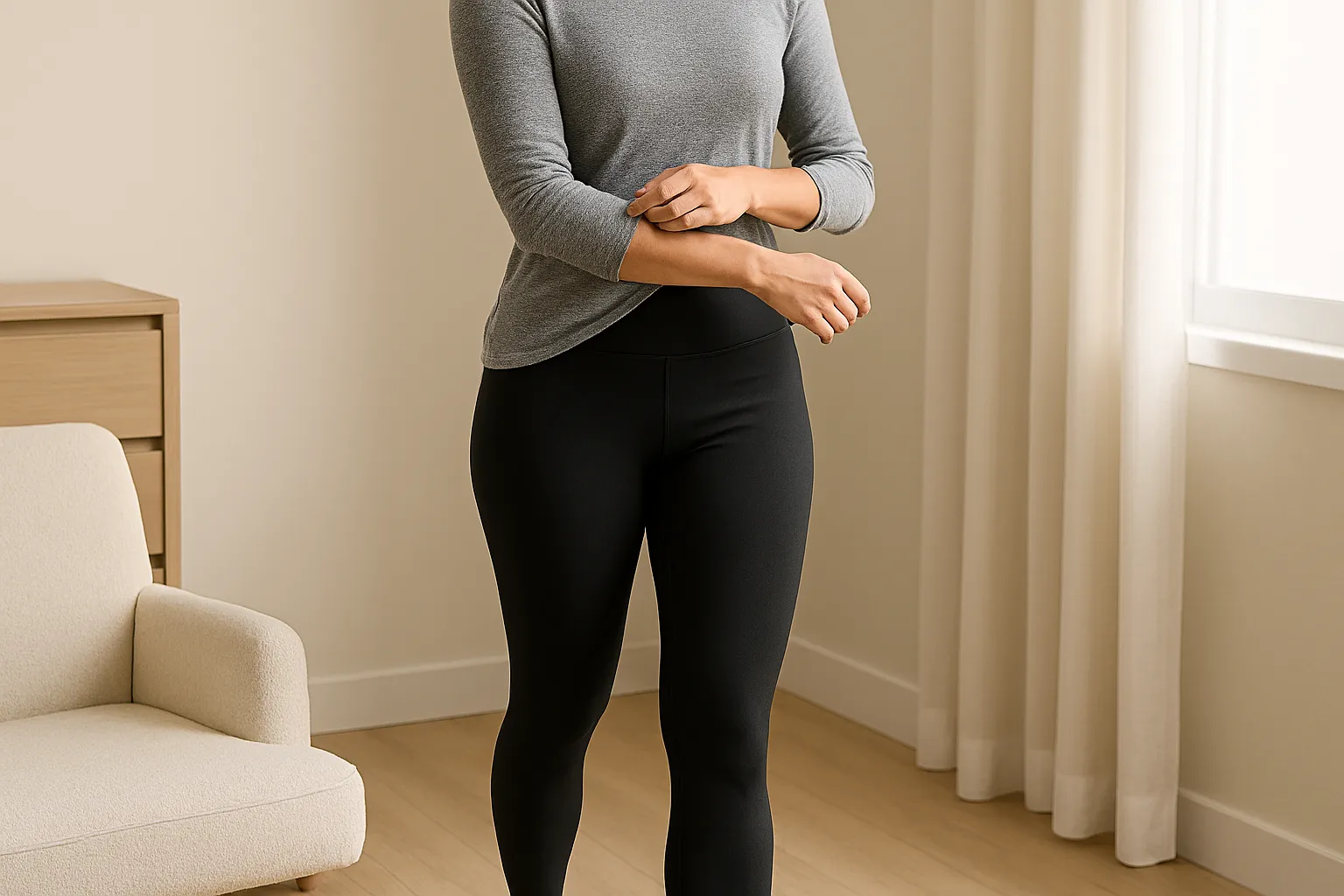
Best of the Best Women’s Leggings on Amazon – Slay Your Style Game!
Finding the perfect pair of leggings can make all the difference in comfort, style, and performance. Amazon offers a huge selection of women’s leggings, from high-waisted, workout-ready pairs to soft,…
Best of the Best Men’s Sleepwear on Amazon – Shop Now
Finding comfortable men’s sleepwear doesn’t have to be complicated. Amazon offers a wide range of pajama sets, loungewear, and cozy flannels perfect for every season. In this guide, we highlight…
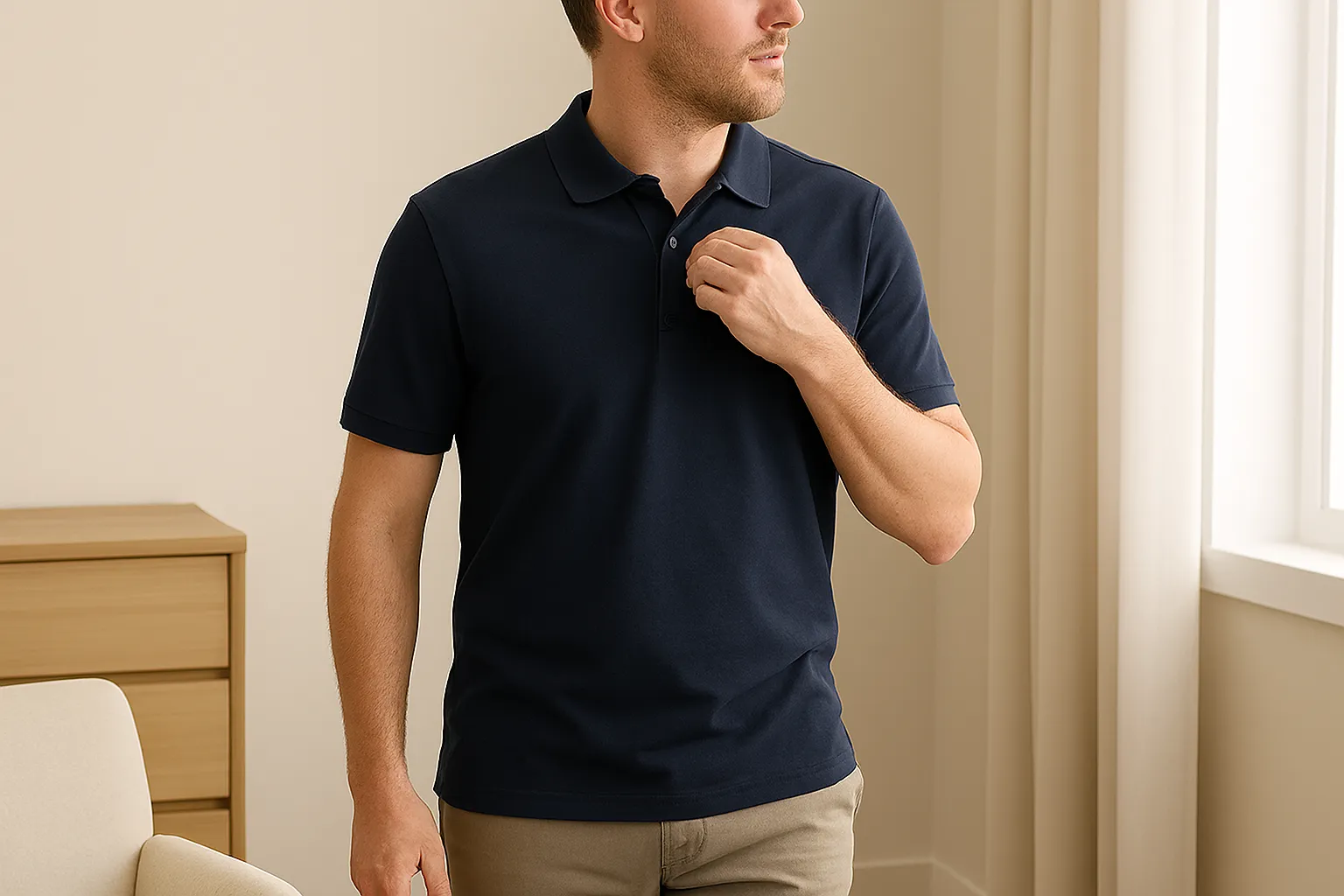
Unveiling the Best Men’s Polo Shirts on Amazon – Shop Now!
Looking for the perfect men’s polo shirt that balances comfort, style, and affordability? Amazon has an extensive collection, from classic cotton polos to performance, moisture-wicking designs. Whether you’re dressing for…