
This article contains affiliate links. If you purchase through our links, we may earn a small commission at no extra cost to you. We only recommend products based on thorough research and verified customer feedback. All opinions are our own.
My morning coffee ritual changed completely when I learned that my “premium” coffee beans were grown using farming practices that destroyed rainforests and paid farmers less than $2 per day.
That uncomfortable truth sent me down a research rabbit hole about sustainable coffee. What I discovered surprised me: truly sustainable coffee isn’t just about feeling good—it’s about understanding a complex supply chain that affects millions of farmers, vast ecosystems, and ultimately, the quality of coffee in your cup.
Here’s what matters in 2026: the coffee industry is at a crossroads. Climate change is threatening traditional growing regions, and consumers are demanding transparency like never before. But navigating the maze of certifications, marketing claims, and greenwashing requires actual knowledge—not just looking for a “sustainable” label.
In this comprehensive guide, you’ll learn exactly what makes coffee sustainable, how to identify genuinely eco-friendly brands (versus those just using buzzwords), what certifications actually mean, and how to make informed purchasing decisions that align your coffee habit with your values. Whether you’re shopping on Amazon or your local roaster, these principles apply universally.
- Understanding Coffee Sustainability: Beyond the Buzzwords
- Coffee Certifications Explained: What They Actually Mean
- How Climate Change Is Reshaping Coffee Sustainability
- Top Sustainable Coffee Brands: In-Depth Analysis
- Comparison Table: Sustainable Coffee Brands
- How to Identify Greenwashing in Coffee Marketing
- Brewing Tips to Maximize Sustainable Coffee Quality
- Common Questions About Sustainable Coffee
- Final Thoughts: Making Your Coffee Habit Sustainable
Understanding Coffee Sustainability: Beyond the Buzzwords
Let’s start with what “sustainable coffee” actually means—because the term gets thrown around pretty loosely.
The Three Pillars of Coffee Sustainability
Environmental Sustainability: Coffee sustainability begins with how beans are grown. Traditional sun-grown coffee requires clear-cutting forests to create open plantations. This destroys biodiversity, increases soil erosion, and eliminates habitat for migratory birds and pollinators.
Shade-grown coffee, conversely, grows under a canopy of native trees. This method preserves forest ecosystems, maintains soil health, requires fewer pesticides (birds eat insects naturally), and creates carbon-sequestering tree coverage. The environmental impact difference is massive—shade-grown farms can support up to 70% more bird species than sun-grown operations.
Organic farming eliminates synthetic pesticides and fertilizers. This protects local water sources from chemical runoff, preserves soil microbiomes essential for long-term productivity, and protects farmworkers from toxic chemical exposure.
Economic Sustainability: This addresses the uncomfortable reality that many coffee farmers live below the poverty line despite producing a commodity that generates billions in revenue globally.
Fair Trade certification establishes minimum price floors—currently $1.40 per pound for conventional coffee and $1.70 for organic. This prevents farmers from being forced to sell at devastating losses when commodity prices crash. Additionally, Fair Trade cooperatives receive a social premium (extra payment) used for community projects like schools, healthcare, or infrastructure improvements.
Direct trade relationships, where roasters work directly with farmers or cooperatives, often pay even higher prices in exchange for quality and consistency. These relationships provide the economic stability farmers need to invest in sustainable practices and plan for the future.
Social Sustainability: This encompasses labor rights, working conditions, and community development. It means ensuring farmworkers receive fair wages and safe working conditions, prohibiting child labor and forced labor, providing access to education and healthcare, and supporting gender equity in traditionally male-dominated farming communities.
These three pillars interconnect—you can’t have truly sustainable coffee by addressing just one. Environmental practices fail without economic support for farmers. Economic fairness means nothing if workers are exploited. Social programs can’t survive if farming practices destroy the land.
Coffee Certifications Explained: What They Actually Mean
Walking into a coffee aisle reveals a confusing array of certification logos. Here’s what each one genuinely guarantees—and what it doesn’t.
USDA Organic Certification
What it requires:
- No synthetic pesticides, herbicides, or fertilizers for three years prior to certification
- Soil management practices that promote biodiversity
- No GMO coffee plants (though GMO coffee is extremely rare anyway)
- Annual inspections by USDA-approved certifiers
- Detailed record-keeping of all farm inputs and practices
What it means for you: Your coffee was grown without synthetic chemicals that can harm ecosystems and farmworker health. Organic farming typically produces healthier soil and cleaner water sources.
What it doesn’t guarantee: Fair wages for workers, shade-grown practices (organic coffee can still be sun-grown), or specific quality standards for taste. Organic certification focuses on farming inputs, not social or economic sustainability.
Cost to farmers: $500-2,000+ annually for certification and inspections—a significant burden for small farms.
Fair Trade Certified
What it requires:
- Minimum price floor ($1.40/lb conventional, $1.70/lb organic)
- Additional $0.20/lb social premium for community projects
- Democratic organization of farmer cooperatives
- Prohibition of child labor and forced labor
- Environmental protection standards (though less rigorous than organic)
- Long-term trading relationships with buyers
What it means for you: Farmers received fair compensation and communities benefit from additional funding for schools, clinics, or infrastructure.
What it doesn’t guarantee: Specific environmental practices beyond basic standards (Fair Trade coffee isn’t necessarily organic or shade-grown), or particular flavor quality. The focus is economic and social, not environmental or taste.
Criticism to understand: Some argue Fair Trade’s minimum prices are still too low and that the certification system creates bureaucracy that small farmers can’t navigate.
Rainforest Alliance Certified
What it requires:
- Forest conservation and reduced deforestation
- Wildlife habitat protection
- Water and soil conservation practices
- Fair treatment and good conditions for workers
- Integrated pest management (reduced pesticide use)
- Climate-smart agriculture practices
What it means for you: Coffee was grown with significant attention to ecosystem preservation and biodiversity. Farms must maintain forest cover and protect water sources.
What it doesn’t guarantee: Minimum price guarantees like Fair Trade (prices are market-based), organic farming (certified farms can use some synthetic inputs), or specific social premiums for communities.
Unique aspect: Focuses heavily on environmental impact, particularly forest preservation and biodiversity.
Bird-Friendly Certification (Smithsonian)
What it requires:
- Must first be USDA Organic certified
- Minimum 40% shade canopy coverage
- Minimum 10 tree species in canopy (promotes biodiversity)
- Specific tree height and foliage density requirements
- Strict pesticide prohibitions
What it means for you: The most rigorous environmental certification. These farms function as forest ecosystems that support migratory bird populations and incredible biodiversity.
What it doesn’t guarantee: Fair Trade pricing or social premiums (though many Bird-Friendly farms also carry Fair Trade certification).
Why it matters: Bird-Friendly farms can support 20-50+ bird species compared to 5-10 on sun-grown farms. These ecosystems also sequester significantly more carbon.
Understanding Certification Limitations
No single certification covers everything. The most sustainable coffees often carry multiple certifications—for example, USDA Organic + Fair Trade + Bird-Friendly addresses environmental, economic, and biodiversity concerns comprehensively.
Additionally, some excellent sustainable practices aren’t certified at all. Small farms may practice organic farming without affording certification. Direct trade relationships may pay farmers far above Fair Trade minimums but not use the certification. Always research the specific brand’s practices beyond just logos.
How Climate Change Is Reshaping Coffee Sustainability
Understanding coffee sustainability in 2026 requires acknowledging the climate crisis affecting the entire industry.
The Current Reality: Rising temperatures are making traditional growing regions unsuitable for arabica coffee, which requires specific temperature ranges (60-70°F) and altitude. Regions in Brazil, Colombia, and Central America are experiencing more frequent droughts and unpredictable rainfall patterns. Increased pest and disease pressure—coffee rust and coffee berry borer thrive in warmer conditions—devastates crops.
By some estimates, 50% of current coffee-growing land may become unsuitable by 2050. This isn’t distant future speculation—farmers are experiencing these impacts right now.
Why This Matters for Sustainability: Desperate farmers facing crop failures may resort to unsustainable practices—clearing more forest for new plantations, using more chemicals to combat pests, or abandoning coffee farming entirely (destroying generational knowledge and communities).
Sustainable Response: Climate-resilient farming practices include agroforestry systems (integrating coffee with other crops), improved water management and irrigation, developing climate-adapted coffee varieties, and supporting farmer education about climate adaptation.
Some brands are going further—Tiny Footprint Coffee, for instance, funds reforestation projects that make their coffee carbon-negative. Counter Culture Coffee measures and offsets their entire supply chain carbon footprint.
What You Can Do: Support brands investing in climate resilience and adaptation, pay attention to origin diversity (single-origin vulnerability vs. blended resilience), and understand that climate-conscious coffee may cost more because farmers need resources to adapt.
Climate change makes sustainable coffee practices more urgent, not less. The industry must adapt or face collapse in traditional growing regions.
Top Sustainable Coffee Brands: In-Depth Analysis
Based on certification verification, customer feedback analysis, and transparent sourcing practices, here are genuinely sustainable options widely available.
1. Kicking Horse Coffee – Best Overall Sustainable Choice
Certifications: USDA Organic, Fair Trade, Kosher
Price Range: $12-32 depending on size and variety
Origin: Indonesia, Central and South America
Why It’s Genuinely Sustainable: Kicking Horse maintains 100% certified organic and Fair Trade beans across their entire product line—not just select varieties. They source exclusively from small-scale farms and cooperatives, ensuring direct relationships and fair compensation. Their shade-grown farming practices preserve biodiversity in growing regions.
The company provides transparency about sourcing regions and maintains long-term relationships with farming communities. Their commitment isn’t marketing—it’s their entire business model.
Taste Profile: Known for bold, robust flavors. Their “Kick Ass” dark roast delivers smoky, chocolatey notes perfect for straight espresso or strong drip coffee. The “Grizzly Claw” dark roast offers similar intensity with slight fruity undertones.


Available Options:
- Whole bean and ground coffee
- Light, medium, and dark roasts
- Regular sizes (10 oz, 1 lb) and bulk options (2.2 lb bags)
- Single-origin and blended varieties
Customer Feedback Patterns: Based on thousands of verified reviews, customers consistently praise flavor quality and appreciate visible certifications. Some note higher price points compared to conventional coffee, though most consider it worthwhile. A few reviews mention batch-to-batch flavor variations, though this is common with small-batch roasting.
Best For: Coffee drinkers wanting certified sustainable coffee without compromising on bold flavor. Excellent for those who drink enough coffee to justify buying larger bags for better per-ounce value.
Price-to-Value Assessment: 8/10. Higher than conventional coffee but competitive within the sustainable category. Bulk options improve value significantly.
2. Larry’s Coffee – Most Eco-Conscious Operations
Certifications: USDA Organic, Fair Trade, Shade-Grown
Price Range: $13-18 for 12 oz bags
Origin: Various (Peru, Ethiopia, Colombia, Honduras)
Why It’s Genuinely Sustainable: Larry’s Coffee operates what may be the greenest coffee roastery in America. Their facility runs on 100% solar power, uses rainwater collection systems, and maintains zero-waste operations where possible. They pioneered recyclable, BPA-free K-Cups when the industry standard was non-recyclable plastic.
Beyond operational sustainability, they maintain direct trade relationships with organic farming cooperatives and pay premiums above Fair Trade minimums for quality beans.
Taste Profile: Their House Blend offers balanced, smooth flavor with natural sweetness—approachable for most palates without being bland. Single-origin options provide more distinctive characteristics: Ethiopian beans offer bright, fruity notes while Peruvian beans deliver chocolate and nutty flavors.


Available Options:
- Whole bean, ground, and K-Cup formats
- Light through dark roasts
- Single-origin and blended varieties
- Decaf options using Swiss Water Process (chemical-free decaffeination)
Customer Feedback Patterns: Customers appreciate the comprehensive sustainability approach and packaging transparency. Many mention the coffee tastes “clean” and fresh. Some find the flavor profile less intense than darker roast competitors, which is preference-dependent rather than a quality issue.
Best For: Environmentally conscious consumers wanting to support operations that go beyond just sourcing—looking at the entire business environmental footprint.
Price-to-Value Assessment: 8/10. Mid-range pricing for exceptional sustainability practices throughout the supply chain.
3. Tiny Footprint Coffee – First Carbon-Negative Coffee
Certifications: USDA Organic, Fair Trade
Price Range: $13-17 for 16 oz bags
Origin: Nicaragua, Peru, Honduras
Why It’s Genuinely Sustainable: Tiny Footprint achieved something remarkable: carbon-negative coffee. For every pound of coffee sold, they fund reforestation projects in Ecuador’s Mindo cloud forest that sequester more carbon than the entire production and shipping process emitted.
Specifically, producing and shipping one pound of coffee emits roughly 4 pounds of CO2. Tiny Footprint plants enough trees to absorb 54 pounds of CO2—making each purchase actively carbon-negative by a factor of 13x.
Beyond carbon, they maintain Fair Trade and organic certifications and work directly with farming cooperatives in Central and South America.
Taste Profile: Their Nicaragua Segovia dark roast offers bold, earthy flavors with chocolate notes—excellent for cold brew or French press. The Peru Approcassi medium roast provides balanced, slightly nutty flavor suitable for drip or pour-over methods.


Available Options:
- Whole bean and ground
- Medium and dark roasts primarily
- Regular and decaf (Swiss Water Process)
- Subscribe & Save options
Customer Feedback Patterns: Customers strongly appreciate the carbon-negative mission and report that flavor quality matches or exceeds other sustainable brands. Some note the coffee is less widely available than larger brands. A few mention preferring lighter roasts (which Tiny Footprint offers less of).
Best For: Climate-conscious consumers wanting to actively offset carbon with their coffee purchases. Ideal for those who prefer medium-dark to dark roasts.
Price-to-Value Assessment: 9/10. Exceptional value considering you’re funding significant reforestation with every purchase.
4. Ethical Bean Coffee – Best Budget Sustainable Option
Certifications: USDA Organic,Fairtrade International, Rainforest Alliance, UTZ, GMO-Free
Price Range: $10-15 for 12 oz bags
Origin: Various (Ethiopia, Peru, Colombia, Guatemala)
Why It’s Genuinely Sustainable: Ethical Bean carries five sustainability certifications—more than most competitors. They provide unprecedented transparency through QR codes on packaging that trace beans to specific farms and cooperatives.
The company uses compostable single-serve pods (for those who use pod systems) and maintains partnerships with community development projects in growing regions, including educational programs for farming families’ children.
Taste Profile: Their “Lush” medium-dark roast delivers rich, balanced flavor with fruit and chocolate notes—versatile across brewing methods. The “Sweet Espresso” offers caramel and brown sugar notes perfect for milk-based drinks. Overall flavor profile is approachable rather than intense or challenging.


Available Options:
- Whole bean, ground, and compostable pods
- Light through dark roasts
- Single-origin and blended varieties
- Regular and decaf
Customer Feedback Patterns: Customers praise the affordability combined with legitimate certifications. The QR code traceability feature gets mentioned frequently as building trust. Some reviewers note flavor is good but not exceptional—perfectly satisfying for daily drinking but perhaps not the most complex or distinctive.
Best For: Budget-conscious consumers wanting certified sustainable coffee without premium pricing. Excellent for daily drinking when you want quality without breaking the bank.
Price-to-Value Assessment: 10/10. Best value in the sustainable coffee category—legitimate certifications at competitive prices.
5. Counter Culture Coffee – Best for Transparency & Education
Certifications: USDA Organic (most offerings), B Corp Certified, Fair Trade
Price Range: $16-20 for 12 oz bags
Origin: Various, with detailed transparency reports
Why It’s Genuinely Sustainable: Counter Culture is B Corp certified, meaning they meet rigorous standards for environmental and social performance, accountability, and transparency. They publish detailed “Coffee Transparency Reports” showing exactly what they paid farmers—often 200-300% above Fair Trade minimums.
71% of their coffee comes from long-term direct relationships (5+ years) with the same farms and cooperatives. They invest in sustainability projects at origin, including funding clean cookstoves in Honduras that reduce deforestation and improve air quality for families.
Their carbon footprint is measured annually and offset through verified projects. They also provide extensive education for consumers and cafes about coffee sustainability and quality.
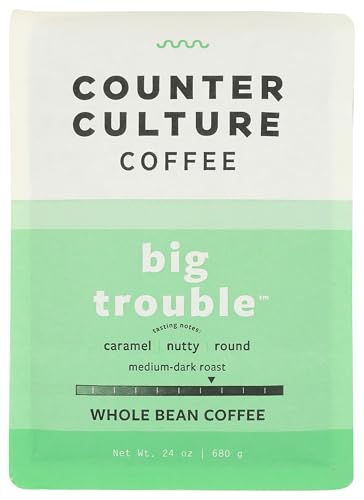
Taste Profile: Counter Culture focuses heavily on quality and flavor complexity. Their “Big Trouble” blend offers caramel, chocolate, and smoky notes perfect for espresso. Single-origin offerings vary seasonally with detailed tasting notes and brewing recommendations.

Available Options:
- Whole bean primarily (ground available)
- Light through medium-dark roasts
- Extensive single-origin selection
- Seasonal and limited releases
Customer Feedback Patterns: Customers appreciate the transparency and educational approach. Flavor quality receives consistently high marks. The main criticism is higher pricing, though most reviewers feel the quality and ethical practices justify the cost. Some note that lighter roasts may not appeal to those preferring bold, dark coffee.
Best For: Coffee enthusiasts wanting exceptional quality alongside sustainability. Perfect for those who value transparency and want to understand exactly where their coffee comes from and what farmers were paid.
Price-to-Value Assessment: 7/10. Premium pricing but exceptional transparency, quality, and direct farmer support.
Comparison Table: Sustainable Coffee Brands
| Brand | Certifications | Price (12oz) | Key Sustainability | Best For | Flavor Profile |
|---|---|---|---|---|---|
| Kicking Horse | Organic, Fair Trade | $12-16 | Small-farm sourcing, shade-grown | Bold flavor lovers | Robust, chocolatey, smoky |
| Larry’s Coffee | Organic, Fair Trade, Shade-Grown | $13-15 | Solar roastery, zero-waste ops | Eco-operations focus | Balanced, smooth, approachable |
| Tiny Footprint | Organic, Fair Trade | $13-14 | Carbon-negative reforestation | Climate activists | Earthy, bold, chocolate notes |
| Ethical Bean | 5 certifications | $10-12 | QR code traceability | Budget buyers | Balanced, fruity, versatile |
| Counter Culture | Organic, B Corp, Fair Trade | $16-19 | Transparency, direct trade | Quality enthusiasts | Complex, nuanced, varies |
How to Identify Greenwashing in Coffee Marketing
Not every “sustainable” coffee is genuinely sustainable. Here’s how to spot misleading marketing.
Red Flags:
Vague Claims Without Certification: “Eco-friendly,” “sustainably sourced,” or “ethically grown” mean nothing without third-party verification. Anyone can claim sustainability—certifications require proof.
Focusing Only on Packaging: “Recyclable packaging!” is great, but if the beans aren’t sustainably grown, you’re just getting conventional coffee in nicer bags. Sustainability must extend to sourcing, not just packaging.
Single Certification Highlighting: A brand heavily promoting one certification (like “Fair Trade!”) while ignoring environmental practices might only address one aspect of sustainability. Look for brands with multiple certifications or comprehensive practices.
No Transparency About Sourcing: Legitimate sustainable brands tell you where beans come from, often down to specific cooperatives or regions. Vague origin information (“sourced from South America”) suggests they don’t want scrutiny.
Suspiciously Low Prices: Truly sustainable coffee costs more to produce. If a brand claims organic, fair trade practices but costs the same as conventional coffee, investigate carefully. The economics don’t add up.
What to Look For Instead:
- Specific, verifiable certifications from recognized organizations
- Transparency about sourcing regions and farming practices
- Information about what farmers are paid
- Multiple aspects of sustainability addressed (environmental + social + economic)
- Third-party verification (B Corp, specific certifications)
- Willingness to discuss challenges, not just successes
Remember: perfect sustainability doesn’t exist. Even the best brands have room for improvement. But honest brands acknowledge challenges and show continuous improvement, while greenwashers just make vague claims.
Brewing Tips to Maximize Sustainable Coffee Quality
You’ve invested in sustainable coffee—here’s how to ensure you’re experiencing its full potential.
Storage Matters
Proper Storage: Keep beans in an airtight container in a cool, dark place. Exposure to air, light, heat, and moisture degrades coffee rapidly. Never refrigerate or freeze whole beans—temperature fluctuations cause condensation that destroys flavor.
Buy whole beans and grind immediately before brewing. Pre-ground coffee loses flavor within hours as more surface area is exposed to air.
Realistic Timeline: Use coffee within 2-4 weeks of the roast date for peak flavor. Coffee remains drinkable for months but gradually loses complexity and brightness.
Water Quality
Coffee is 98% water. Using poor quality water produces poor quality coffee, regardless of how sustainable or expensive your beans are.
Best Practices: Use filtered water if your tap water has strong chlorine taste or odors. Ideal water temperature is 195-205°F (just off boiling). Avoid distilled water—minerals in water actually enhance coffee extraction and flavor.
Brewing Methods for Different Sustainable Coffees
For Bold, Dark Roasts (Kicking Horse, Tiny Footprint): French press or espresso showcases their robust flavors and body. Pour-over can work but may emphasize bitterness if you’re not careful with water temperature and timing.
For Balanced, Medium Roasts (Larry’s, Ethical Bean): Drip coffee makers, pour-over, or AeroPress all work beautifully. These methods highlight the balanced flavor without overwhelming subtlety.
For Complex, Light-Medium Roasts (Counter Culture): Pour-over methods (V60, Chemex) or AeroPress bring out flavor complexity and brightness. These brewing methods provide more control over extraction.
Sustainability Beyond the Beans
Reusable Filters: Metal or cloth filters eliminate paper waste. If you use paper filters, look for unbleached, compostable options.
Compost Coffee Grounds: Used grounds are nitrogen-rich and excellent for compost. They also work as garden fertilizer or natural pest deterrent.
Energy-Efficient Brewing: French press and pour-over require no electricity. If using electric coffee makers, choose energy-efficient models and avoid leaving warmers on for hours.
Proper Portions: Brew only what you’ll drink. Wasting sustainably-sourced coffee defeats the purpose. Standard ratio is 1:16 coffee to water (e.g., 30g coffee to 480ml water).
Common Questions About Sustainable Coffee
Q: Is sustainable coffee actually better quality, or am I just paying for certifications?
Quality and sustainability often correlate, though they’re not the same thing. Here’s why: sustainable farming practices (particularly shade-grown and organic methods) tend to produce better beans because healthy soil and ecosystems create optimal growing conditions. Coffee plants grown in shade develop slower, allowing more complex flavor development.
Fair Trade and direct trade pricing allows farmers to invest in quality—better processing equipment, careful harvesting, quality control. When farmers receive fair compensation, they can focus on quality rather than just maximizing volume.
However, certifications themselves don’t guarantee exceptional taste. Some certified coffees are mediocre; some amazing coffees lack certifications (small farms can’t always afford certification costs despite practicing sustainable farming). Judge based on both sustainability credentials and flavor—they’re not mutually exclusive.
Q: Why does sustainable coffee cost more than conventional coffee?
The price difference reflects real costs: organic certification and farming practices cost more (no synthetic fertilizers means more labor-intensive natural alternatives), Fair Trade minimums and premiums increase costs, shade-grown coffee produces lower yields per acre than sun-grown (fewer plants fit under tree canopy), better processing and quality control require more time and care, and certification fees add administrative costs.
Conventional cheap coffee achieves low prices through exploitation—paying farmers unsustainably low prices, using environmentally destructive practices, and cutting corners on quality. Sustainable coffee’s higher price reflects the true cost of ethical, environmentally responsible production.
Think of it this way: are you paying more for sustainable coffee, or is conventional coffee artificially cheap due to externalized costs (environmental damage, farmer poverty)?
Q: Can I find truly sustainable coffee at my local grocery store, or do I need to order online?
Major grocery chains increasingly stock certified sustainable coffees. Look for: Whole Foods and natural grocers typically carry multiple sustainable brands, Trader Joe’s offers Fair Trade and organic options, even conventional chains like Kroger and Safeway now stock some certified options.
However, online retailers (including Amazon) often provide wider selection, better prices (especially Subscribe & Save discounts), access to small roasters not distributed regionally, and fresher coffee (check roast dates).
Local coffee roasters are another excellent option—many prioritize sustainable sourcing and can tell you exactly where beans come from and what farmers were paid.
Q: How do I know if certifications are legitimate and not just marketing?
Legitimate certifications have verifiable third-party oversight: Fair Trade International, USDA Organic, Rainforest Alliance, and Smithsonian Bird-Friendly all maintain public databases where you can verify certified products. Check the certifying organization’s website to confirm a brand’s status.
Look for certification numbers on packaging (legitimate certifications include tracking numbers). Be suspicious of made-up or vague “certifications” that aren’t from recognized organizations.
Research the specific certification standards—know what you’re actually supporting. Fair Trade International differs from Fair Trade USA (different standards and approaches).
Q: Does organic coffee taste different from conventional coffee?
Organic coffee doesn’t inherently taste different because of being organic—the difference comes from how organic requirements affect farming practices. Organic farms often use shade-grown methods and focus on soil health, which can improve flavor complexity. They tend to be smaller operations that may prioritize quality alongside sustainability.
However, organic certification alone doesn’t guarantee better taste. Conventional coffee can be delicious, and organic coffee can be mediocre. Judge coffee on flavor, but choose organic for environmental and health benefits (no pesticide residues, better for farmworkers, better for ecosystems).
Q: Are single-origin sustainable coffees better than blends?
Not necessarily—they serve different purposes. Single-origin coffees showcase distinctive characteristics of a specific region, farm, or even processing method. They’re excellent for exploring flavor diversity and understanding terroir.
Blends combine beans from multiple origins to create consistent, balanced flavor profiles year-round. Since coffee harvests vary seasonally and yearly, blends allow roasters to maintain flavor consistency.
From a sustainability perspective, both can be equally ethical if properly certified. Blends might actually support more farming communities by purchasing from multiple sources. Single-origins allow you to support specific regions and understand exactly where your money goes.
Choose based on preference: single-origin for exploration and variety, blends for consistent daily drinking.
Q: How can I verify what farmers actually get paid?
True transparency requires brands to disclose this information voluntarily—and unfortunately, many don’t. Look for: B Corp certified companies (must report on stakeholder impact), brands publishing “transparency reports” (Counter Culture does this), and direct trade roasters who often share pricing information.
Fair Trade certification guarantees minimum prices ($1.40/lb conventional, $1.70/lb organic) plus social premium, but some direct trade relationships pay significantly more ($3-6/lb for high-quality specialty coffee).
If a brand doesn’t share this information, ask them directly. Companies genuinely committed to farmer welfare are usually proud to discuss it. Evasive answers suggest they’re not paying premium prices.
Q: Is Subscribe & Save on Amazon a good option for sustainable coffee?
Yes, with caveats. Subscribe & Save offers discounts (typically 5-15% off), ensures you never run out, and reduces delivery-related emissions through consolidated shipping.
However: check roast dates on deliveries—some sellers stock older inventory. Subscribe & Save works best for coffee you drink regularly and know you like. Don’t subscribe to new coffees without trying them first (easy to pause or skip deliveries, but still).
Consider the trade-off: local roasters provide fresher coffee and support local businesses, while online subscriptions offer convenience and often better prices for certified sustainable brands.
Q: What’s the most impactful thing I can do as a consumer to support coffee sustainability?
Be willing to pay fair prices for certified sustainable coffee. The single biggest impact comes from economic support for sustainable practices. Cheap coffee perpetuates exploitation—paying sustainable prices allows farmers to maintain environmental practices and earn living wages.
Beyond that: buy from brands with multiple certifications (comprehensive sustainability), support transparency (brands that disclose sourcing and pricing), reduce waste (compost grounds, use reusable filters), and educate others about why sustainable coffee matters.
Remember: your coffee purchase is a vote for the kind of industry you want to support.
Final Thoughts: Making Your Coffee Habit Sustainable
Switching to sustainable coffee isn’t about perfection—it’s about making more informed, responsible choices within your budget and preferences.
The most important takeaway: genuinely sustainable coffee requires attention to environmental, economic, and social factors simultaneously. A coffee can’t be truly sustainable if it’s organic but farmers are exploited. It can’t be sustainable if it’s Fair Trade but grown using environmentally destructive practices.
Look for brands with multiple certifications, transparent sourcing, and comprehensive approaches to sustainability. Don’t fall for greenwashing—verify claims through third-party certifications and brand transparency.
Practical Next Steps:
Start with one sustainable brand from this guide and try it. If you love the flavor, make it your regular purchase. If not, try another—sustainable coffee should taste good, not just feel good.
Set a realistic budget. If premium sustainable coffee means drinking less coffee but better coffee, that might be worthwhile. Or choose budget options like Ethical Bean that offer legitimate certifications at competitive prices.
Learn to identify certifications and understand what they mean. This knowledge transfers beyond coffee to chocolate, tea, and other products.
Share what you learn. When friends ask about your coffee, explain why you chose it. Consumer education drives industry change.
The bigger picture:
Coffee sustainability isn’t just about personal choice—it’s about supporting an industry transformation. Climate change threatens coffee’s future existence in traditional growing regions. Farmers leaving coffee farming due to poverty destroys generational knowledge and communities. Environmentally destructive practices are unsustainable long-term.
By choosing certified sustainable coffee, you’re supporting farming practices that can endure for generations, ensuring farmers can afford to stay in coffee production, protecting ecosystems that support biodiversity and carbon sequestration, and voting with your wallet for industry practices you want to see expand.
Your daily coffee ritual can be a small but meaningful act toward a more sustainable food system. That’s worth a few extra dollars per bag.
What sustainable coffee have you tried? What factors matter most to you when choosing coffee? Share your experiences and questions below—let’s build a community of conscious coffee consumers.

Related Posts
Cooking Pastes Reviewed: Flavorful Picks for Busy Home Cooks in 2026
Cooking pastes have become a quiet staple in modern kitchens, bridging the gap between traditional spice blends and the convenience demanded by busy home cooks. At their core, these pastes…

Pet Food Guide 2026 – Nutrition, Ingredients & Quality
For three years, I kept switching my dog's food every time I read about a "better" brand or saw a trendy ingredient. Grain-free. Limited ingredient. Novel protein. Raw-inspired. I tried…
Premium Camping Foods Reviewed: 8 Top Meals Based on Reviews
This post contains affiliate links. If you purchase through our links, we may earn a small commission at no extra cost to you. We only recommend products we've researched thoroughly…