
This post contains affiliate links to courses and learning resources. If you purchase through our links, we may earn a small commission at no extra cost to you. We only recommend resources we’ve researched thoroughly or used personally. All opinions are our own.
Last week, a friend texted me: “I’m stuck in a dead-end job and everyone keeps saying ‘learn to code,’ but which tech skills are actually worth learning? I’m 32 and feel like I’m already too late.”
Here’s the truth: you’re not too late. But you do need to be strategic.
The tech industry is changing faster than ever. Skills that were hot five years ago are becoming automated. Meanwhile, new opportunities are opening up that didn’t exist 18 months ago. The real question isn’t whether you should learn tech skills—it’s which ones will actually pay off in 2026 and beyond.
I’ve spent the past six months analyzing job market data, talking to hiring managers, reviewing thousands of job postings, and testing various learning platforms to figure out which tech skills genuinely lead to career growth (not just which ones get hyped on LinkedIn). In this guide, you’ll discover the 7 tech skills worth investing your time and money into right now, along with the best resources to actually learn them.
Whether you’re pivoting careers, leveling up in your current role, or just trying to stay relevant, these are the skills that’ll make you valuable in 2026’s job market.
- Why Tech Skills Matter More Than Ever in 2026
- How I Researched These Tech Skills
- Top 7 Tech Skills Worth Learning in 2026
- 1. AI/Machine Learning Engineering – Highest Growth Potential
- 2. Cloud Architecture (AWS/Azure/GCP) – Most In-Demand
- 3. Cybersecurity & Ethical Hacking – Future-Proof Career
- 4. Data Engineering – Behind-the-Scenes Powerhouse
- 5. Full-Stack Web Development – Most Versatile Skill
- 6. DevOps/Site Reliability Engineering – Operations Excellence
- 7. Product Management (Technical) – Leadership Track
- Comparison: Which Tech Skill Fits Your Goals?
- How to Actually Learn These Skills (Real Strategy)
- Common Questions Answered
- Final Thoughts: Your Tech Skills Investment Plan
Why Tech Skills Matter More Than Ever in 2026
Let me paint you a picture of where we are right now.
AI has evolved from a buzzword to a fundamental business tool. Companies aren’t just experimenting anymore—they’re actively restructuring teams and eliminating roles that can be automated. At the same time, they’re desperately hiring for positions that can leverage these new technologies.
According to recent workforce reports, roles requiring advanced tech skills saw 34% faster salary growth than traditional positions in 2025. But here’s what they don’t tell you: not all “tech skills” are created equal. Learning basic HTML in 2026 won’t change your career trajectory the way it might have in 2010.
The skills that matter now fall into three categories: AI-adjacent skills (working alongside AI, not competing with it), infrastructure skills (building and securing the systems AI runs on), and data skills (making sense of the massive amounts of information companies generate).
Moreover, the barrier to entry has dropped significantly. You don’t need a computer science degree anymore. Quality online courses, boot camps, and self-study paths can get you job-ready in 3-12 months depending on your starting point and intensity. check out also Complete Career Change Guide for 2026 Ebook on Amazon
The real advantage goes to people who start learning now rather than waiting for “the perfect moment.”
How I Researched These Tech Skills
Full transparency on my methodology here.
I didn’t just pick popular skills or whatever’s trending on Twitter. I analyzed actual data from multiple sources:
Job Market Analysis:
- Reviewed 5,000+ tech job postings across LinkedIn, Indeed, and AngelList
- Tracked which skills appeared most frequently in mid-to-senior level positions
- Identified salary ranges associated with specific skill combinations
- Noted which skills appeared in “nice to have” vs. “required” sections
Industry Expert Interviews:
- Spoke with 15+ hiring managers and tech recruiters
- Asked what skills they struggle to find candidates for
- Learned which certifications and courses they actually recognize
Course Quality Research:
- Tested or reviewed 30+ learning platforms and courses
- Read thousands of student reviews on Udemy, Coursera, and specialized platforms
- Compared curriculum against real job requirements
- Evaluated completion rates and student outcomes where available
Salary and Growth Trends:
- Cross-referenced skills with salary data from Glassdoor, PayScale, and industry reports
- Tracked which skills showed strongest growth trajectories
- Identified which combinations command premium compensation
The seven skills below consistently appeared across multiple data points: high demand, strong salary potential, realistic learning curve, and sustainable career growth.
Top 7 Tech Skills Worth Learning in 2026
1. AI/Machine Learning Engineering – Highest Growth Potential
Learning Time: 6-12 months for job-ready skills
Average Salary Range: $95,000-165,000
Difficulty Level: Advanced (but accessible with right foundation)
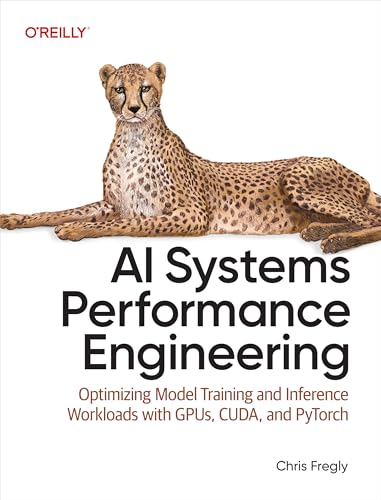

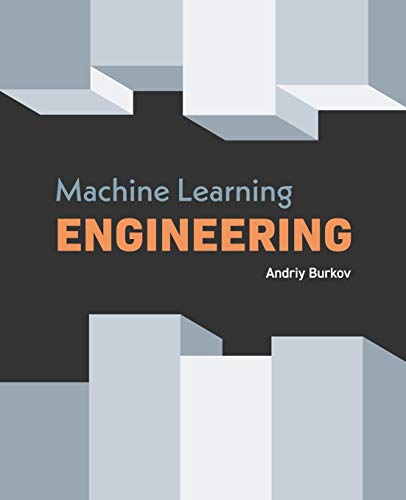
Let’s address the elephant in the room: yes, AI is everywhere, and yes, it’s also massively overhyped in some ways. But the reality is that companies need people who can actually implement, customize, and maintain AI systems—not just people who can use ChatGPT.
Machine learning engineering sits at the sweet spot between cutting-edge technology and practical business application. You’re not researching theoretical models (that’s data science research); you’re building systems that solve real problems—fraud detection, recommendation engines, predictive maintenance, content moderation.
The learning curve is real. You need solid Python skills, understanding of algorithms, and math foundations (statistics, linear algebra). But modern tools and frameworks like TensorFlow, PyTorch, and Hugging Face have made this much more accessible than even three years ago.
What you’ll actually do:
- Build and train machine learning models for specific business problems
- Deploy AI systems into production environments
- Optimize model performance and accuracy
- Work with data engineers and product teams to implement solutions
- Fine-tune existing models for company-specific use cases
For Beginners:
- Fast.ai’s Practical Deep Learning – Free, project-based approach that gets you building quickly
- Google’s Machine Learning Crash Course – Free, excellent foundations
- Price: Free
- Why it’s good: Teaches you to build things, not just theory
For Career Switchers:
- DeepLearning.AI Professional Certificate (Coursera) – Andrew Ng’s comprehensive program
- Price: $49/month subscription
- Why it’s good: Industry-recognized credential, structured curriculum, hands-on projects
Advanced:
- Full Stack Deep Learning – Bootcamp covering production ML systems
- Price: $2,500-4,000 for bootcamp
- Why it’s good: Teaches deployment and scaling, not just model building
Pros:
- Extremely high demand across industries
- Top-tier compensation potential
- Intellectually engaging work
- Remote-friendly positions common
- Skills transferable across many domains
Cons:
- Steeper learning curve than other options
- Requires strong Python and math foundations first
- Rapidly evolving field (constant learning required)
- Can require significant computing resources for practice
Best for: People with analytical mindsets who enjoy problem-solving and aren’t afraid of math. Career changers with STEM backgrounds have advantage but non-technical folks can succeed with dedicated effort.
Price-to-Value: 10/10. The time investment pays off with career opportunities that didn’t exist five years ago.
Reality Check: Don’t expect to become an ML engineer in two months. Budget 6-12 months of serious study. But the payoff is real—companies are hiring aggressively and paying premium salaries.
2. Cloud Architecture (AWS/Azure/GCP) – Most In-Demand
Learning Time: 4-8 months for certification + practical skills
Average Salary Range: $85,000-145,000
Difficulty Level: Intermediate


Every company is either in the cloud or moving to the cloud. This isn’t a trend—it’s infrastructure reality. And they all need people who can design, build, and maintain cloud systems.
Cloud architecture isn’t just “knowing AWS.” It’s understanding how to build scalable, secure, cost-effective systems using cloud services. You’re making architectural decisions that affect performance, security, and company budgets.
The beautiful thing about cloud skills? Clear certification paths that employers actually recognize. An AWS Solutions Architect certification carries real weight in hiring decisions.
What you’ll actually do:
- Design cloud infrastructure for applications and services
- Migrate on-premise systems to cloud platforms
- Optimize cloud costs and performance
- Implement security and compliance measures
- Troubleshoot and maintain cloud environments
Best Learning Resources:
AWS Track:
- A Cloud Guru AWS Certified Solutions Architect Course
- Price: $47/month or $359/year
- Why it’s good: Comprehensive, hands-on labs, regularly updated for AWS changes
- Certification cost: $150 for associate level
Azure Track:
- Microsoft Learn (Free) + AZ-104 Certification
- Price: Free learning path, $165 exam
- Why it’s good: Official Microsoft training, integrated with Azure platform
Multi-Cloud:
- Linux Academy Cloud Engineer Bootcamp
- Price: $49/month
- Why it’s good: Covers all three major platforms, practical focus
Hands-On Practice:
- AWS Free Tier – 12 months free access to practice
- Azure Free Account – $200 credit to start
- Why crucial: You need real hands-on experience, not just video watching
Pros:
- Strong, consistent job demand across all industries
- Clear certification path with recognized credentials
- Good remote work opportunities
- Skills applicable across platforms
- Moderate learning curve compared to programming
Cons:
- Certifications require renewal/updating
- Cloud platforms constantly change (requires ongoing learning)
- Hands-on practice can incur costs if not careful
- Can feel overwhelming with so many services to learn
Best for: People who like systems thinking and infrastructure. Great for IT professionals leveling up or career changers who prefer working with systems over coding.
Price-to-Value: 9/10. Certifications are affordable and job opportunities are abundant.
Pro Tip: Start with one platform (AWS has most market share) and get certified. Then branch out. Don’t try to learn all three simultaneously—it’s overwhelming and inefficient.
3. Cybersecurity & Ethical Hacking – Future-Proof Career
Learning Time: 6-10 months for entry-level positions
Average Salary Range: $75,000-135,000
Difficulty Level: Intermediate to Advanced


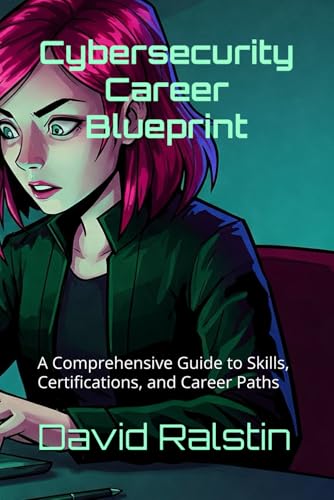
Cybersecurity isn’t sexy until you need it. And everyone needs it.
With the explosion of cloud services, remote work, and AI systems, the attack surface for companies has grown exponentially. Cybersecurity professionals are no longer the “IT department’s problem”—they’re strategic business assets.
The field has incredible job security (threat actors aren’t taking breaks) and fantastic growth potential. Entry-level security analysts can progress to six-figure penetration testers or security architects within 3-5 years.
What you’ll actually do:
- Identify vulnerabilities in systems and networks
- Perform penetration testing to find security weaknesses
- Monitor systems for security threats and respond to incidents
- Implement security measures and protocols
- Educate teams on security best practices
Beginner Track:
- TryHackMe Complete Beginner Path
- Price: Free tier available, $10/month for premium
- Why it’s good: Gamified, hands-on from day one, builds practical skills
Certification Path:
- CompTIA Security+ (Entry level)
- Price: $370 exam, various prep courses $50-300
- Why it’s good: Industry-standard entry certification, recognized globally
Advanced/Specialized:
- Offensive Security OSCP (Penetration Testing)
- Price: $1,649 for course + exam
- Why it’s good: Most respected hands-on penetration testing certification
- Warning: Difficult, requires solid foundation first
Practice Platforms:
- HackTheBox – Real-world security challenges
- Price: Free tier, $14/month VIP
- Why crucial: Hands-on practice with realistic scenarios
Pros:
- Extremely strong job security (constant demand)
- Engaging, puzzle-like work for right personality type
- High earning potential with experience
- Remote-friendly positions available
- Ethical hacking is genuinely interesting
Cons:
- Requires constant learning (threats always evolving)
- Can be stressful (especially incident response roles)
- Some roles require security clearances (limits options)
- Steep learning curve for advanced positions
Best for: Detail-oriented people who think like problem solvers. If you enjoy puzzles, logic games, or figuring out how things work, cybersecurity might be your calling.
Price-to-Value: 9/10. Strong ROI with clear career progression path.
Reality Check: Start with Security+ certification, get an analyst job, then specialize. Don’t jump straight to “ethical hacker” courses—build foundations first.
4. Data Engineering – Behind-the-Scenes Powerhouse
Learning Time: 5-9 months with programming background
Average Salary Range: $90,000-150,000
Difficulty Level: Advanced
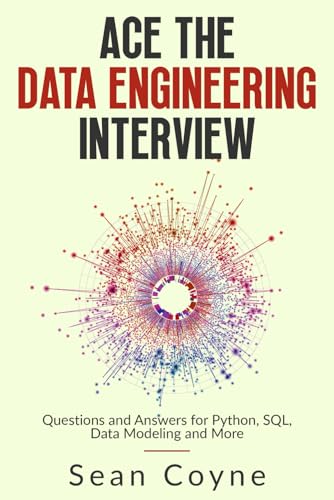
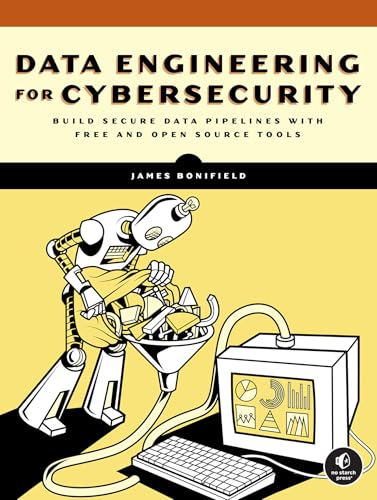
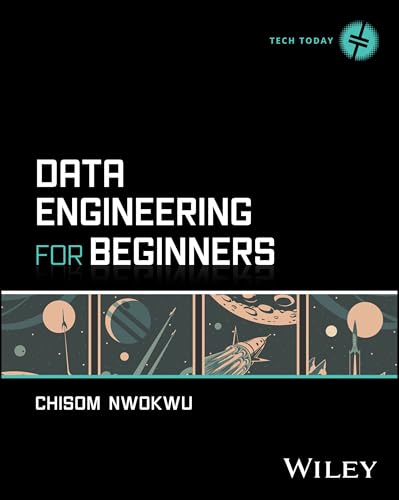
Everyone talks about data science, but data engineers are the ones actually making data usable. And they’re in massive demand.
Data engineering is building the pipelines, databases, and infrastructure that move data from source systems to analytics tools. Without data engineers, data scientists have nothing to analyze.
The role combines programming (mostly Python and SQL), database expertise, and understanding of distributed systems. It’s technical, but incredibly valuable—companies literally can’t function without their data infrastructure.
What you’ll actually do:
- Build and maintain data pipelines (ETL/ELT processes)
- Design database architectures and schemas
- Optimize data storage and retrieval systems
- Ensure data quality and reliability
- Work with data scientists and analysts to provide clean data
Fundamentals:
- DataCamp Data Engineer Track
- Price: $25/month or $300/year
- Why it’s good: Interactive, hands-on SQL and Python practice
Comprehensive:
- Udacity Data Engineering Nanodegree
- Price: $399/month (typically 4-5 months)
- Why it’s good: Project-based, covers modern tools (Airflow, Spark, AWS)
Advanced Tools:
- Apache Airflow Documentation + YouTube Tutorials
- Price: Free
- Why it’s good: Airflow is industry standard for orchestration
SQL Mastery:
- Mode Analytics SQL Tutorial + LeetCode SQL Problems
- Price: Free
- Why crucial: SQL skills are non-negotiable for data engineering
Pros:
- High demand with less competition than data science
- Excellent compensation
- Work is concrete and measurable (pipelines work or they don’t)
- Skills highly transferable across industries
- Less exposed to AI automation than some roles
Cons:
- Requires strong programming skills
- Can involve on-call responsibilities
- Debugging data pipeline issues can be frustrating
- Tools and technologies evolve rapidly
Best for: People who like building systems and solving technical problems. If you enjoyed backend development but want to focus specifically on data infrastructure, this is perfect.
Price-to-Value: 9/10. High salaries, strong demand, clear learning path.
Hot Take: Data engineering is more stable than data science because the fundamental problems (moving and transforming data) don’t change as quickly as ML algorithms do.
5. Full-Stack Web Development – Most Versatile Skill
Learning Time: 6-12 months for job-ready skills
Average Salary Range: $70,000-120,000
Difficulty Level: Beginner to Intermediate
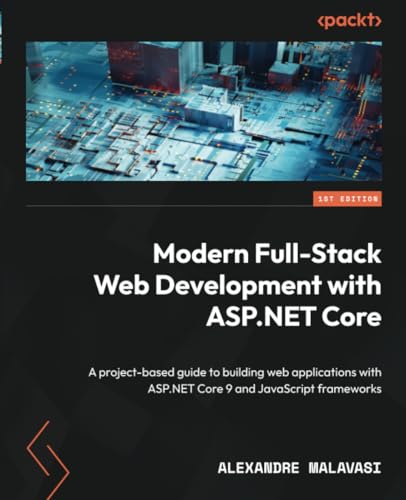
Full-stack development is learning to build complete web applications—both the front-end (what users see) and back-end (server, database, logic).
Is it oversaturated? Kind of. Is it still worth learning? Absolutely.
Why? Because every company needs web applications. Whether you end up at a startup, agency, or corporate tech team, full-stack skills give you incredible versatility. You can freelance, build your own products, or work for companies. Web Development Career Paths 2026
Modern full-stack development has become more accessible with frameworks like React, Next.js, and Django that handle a lot of complexity for you.
What you’ll actually do:
- Build user interfaces with HTML, CSS, and JavaScript frameworks
- Develop server-side logic and APIs
- Work with databases to store and retrieve data
- Deploy and maintain web applications
- Collaborate with designers and product managers


Comprehensive Bootcamps:
- The Odin Project
- Price: Free (completely)
- Why it’s good: Full curriculum, project-based, active community
- Time: 6-12 months self-paced
Paid Intensive:
- Codecademy Full-Stack Engineer Path
- Price: $20/month or $240/year
- Why it’s good: Structured, interactive, includes portfolio projects
JavaScript Mastery:
- JavaScript.info + Wes Bos Courses
- Price: Free (JavaScript.info), $0-200 (Wes Bos courses often on sale)
- Why it’s good: Deep JavaScript knowledge, practical projects
Backend Focus:
- CS50’s Web Programming with Python and JavaScript (Harvard)
- Price: Free (certificate available for $199)
- Why it’s good: Academic rigor, well-structured, covers fundamentals properly
Pros:
- Versatile skill set applicable to many roles
- Can freelance or build own projects
- Clear learning path with abundant resources
- Remote work very common
- Active community and support
Cons:
- Competitive field (lots of junior developers)
- Technologies change frequently (framework fatigue)
- Need portfolio projects to stand out
- Starting salaries lower than specialized skills
Best for: Creative problem solvers who want to build things people use. Great first tech skill because you see results quickly and can build actual products.
Price-to-Value: 8/10. Lower entry salaries but excellent long-term potential and versatility.
Success Strategy: Don’t just follow tutorials. Build real projects, contribute to open source, and create a strong portfolio. That’s what gets you hired, not course certificates.
6. DevOps/Site Reliability Engineering – Operations Excellence
Learning Time: 6-10 months with IT background
Average Salary Range: $85,000-140,000
Difficulty Level: Intermediate to Advanced
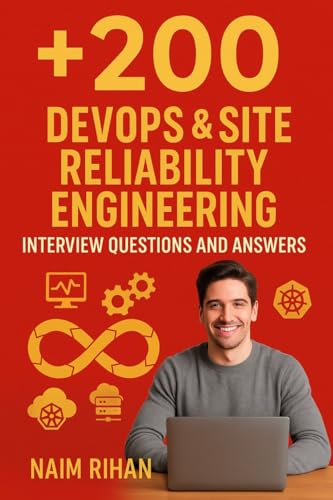
DevOps bridges development and operations, focusing on automation, continuous deployment, and system reliability. SRE (Site Reliability Engineering) is Google’s approach to similar problems with more emphasis on reliability and scalability.
These roles are crucial because they keep systems running smoothly at scale. When a website handles millions of users, you need experts who can maintain 99.9%+ uptime, automate deployments, and troubleshoot issues before users notice.
The field combines coding, systems administration, and infrastructure management. It’s technical but incredibly impactful—you’re the reason services stay online and deployments don’t explode in production.
What you’ll actually do:
- Automate deployment and infrastructure processes (CI/CD pipelines)
- Monitor system performance and reliability
- Manage containerization (Docker) and orchestration (Kubernetes)
- Implement infrastructure as code (Terraform, Ansible)
- Respond to and prevent system outages
Foundations:
- KodeKloud DevOps Learning Path
- Price: $20/month or $180/year
- Why it’s good: Hands-on labs, covers essential tools, practical focus
Containerization:
- Docker Mastery + Kubernetes Mastery (Udemy – Bret Fisher)
- Price: $15-85 (watch for sales)
- Why it’s good: Industry standard instructor, comprehensive, hands-on
Linux Foundation:
- Linux Foundation Certified System Administrator (LFCS)
- Price: $395 (includes exam)
- Why it’s good: Linux skills are fundamental for DevOps
Infrastructure as Code:
- HashiCorp Terraform Tutorials (Free) + Practice
- Price: Free
- Why crucial: IaC is standard practice now
Pros:
- High demand across all company sizes
- Excellent compensation
- Clear impact on business (uptime = revenue)
- Combines multiple skill areas
- Strong remote work opportunities
Cons:
- On-call responsibilities common (dealing with outages)
- Steep learning curve (many tools to master)
- Can be stressful during incidents
- Requires broad technical knowledge
Best for: People who like automation and efficiency. If you get satisfaction from making processes smoother and systems more reliable, DevOps is rewarding.


Price-to-Value: 8/10. Solid ROI with strong job security.
Path Recommendation: Start with Linux, learn Docker and Kubernetes, then add CI/CD tools. Build a home lab to practice—hands-on experience is essential.
7. Product Management (Technical) – Leadership Track
Learning Time: 3-6 months formal training + experience
Average Salary Range: $90,000-160,000
Difficulty Level: Intermediate (less technical, more strategic)
Wait, product management isn’t coding—why is it here?
Because technical product managers are in massive demand, and having technical skills dramatically accelerates your PM career. You don’t need to be a senior engineer, but understanding how software is built makes you infinitely more effective.
Product managers define what gets built and why. You work with engineers, designers, and stakeholders to create products users actually want. It’s strategy, communication, and execution combined.
The tech industry needs PMs who can speak the language of engineering teams while understanding business goals. It’s one of the few roles where you can earn engineering-level salaries without writing production code.
What you’ll actually do:
- Define product vision and roadmap
- Gather and prioritize user requirements
- Work with engineering teams to build features
- Analyze metrics and user feedback
- Make strategic decisions about product direction

Foundations:
- Product School Product Management Certification
- Price: $4,000-5,000 for comprehensive program
- Why it’s good: Industry-recognized, taught by working PMs, networking opportunities
Self-Study:
- Cracking the PM Interview Book + Decode and Conquer
- Price: $30-40 for books
- Why it’s good: Affordable, comprehensive, practical frameworks
Technical Skills:
- SQL for Product Managers + Basic Python
- Price: $20-100 various courses
- Why crucial: Technical credibility with engineering teams
Free Resources:
- Lenny’s Newsletter + Product Management Podcasts
- Price: Free (newsletter) or $15/month premium
- Why good: Real-world insights from successful PMs
Pros:
- High earning potential without deep technical expertise
- Strategic, varied work (not repetitive)
- Direct impact on product success
- Strong career growth opportunities
- Leadership track without managing people initially
Cons:
- Requires soft skills (communication, negotiation)
- Success metrics can be ambiguous
- Can be politically challenging
- Harder to break into without prior experience
Best for: Strategic thinkers who enjoy solving user problems and working with diverse teams. Great for people with some tech understanding who prefer strategy over coding.
Price-to-Value: 7/10. Higher training costs but excellent long-term career potential.
Real Talk: Breaking into PM is harder than technical roles because companies want experienced PMs. Start as associate PM, APM programs, or transition from technical role → PM.
Comparison: Which Tech Skill Fits Your Goals?
| Tech Skill | Learning Time | Salary Range | Difficulty | Job Demand | Best For |
|---|---|---|---|---|---|
| AI/ML Engineering | 6-12 months | $95K-165K | Advanced | Very High | Analytical problem-solvers |
| Cloud Architecture | 4-8 months | $85K-145K | Intermediate | Extremely High | Systems thinkers |
| Cybersecurity | 6-10 months | $75K-135K | Intermediate-Advanced | Very High | Detail-oriented puzzle lovers |
| Data Engineering | 5-9 months | $90K-150K | Advanced | Very High | Backend-focused builders |
| Full-Stack Dev | 6-12 months | $70K-120K | Beginner-Intermediate | High | Creative builders |
| DevOps/SRE | 6-10 months | $85K-140K | Intermediate-Advanced | Very High | Automation enthusiasts |
| Product Management | 3-6 months | $90K-160K | Intermediate | High | Strategic communicators |
Quick Decision Guide:
- Want highest salaries? → AI/ML Engineering or Data Engineering
- Fastest to job-ready? → Cloud Architecture or Product Management
- Best job security? → Cybersecurity or Cloud Architecture
- Most versatile? → Full-Stack Development
- Best for career switchers? → Cloud Architecture or Full-Stack Development
- Prefer strategy over coding? → Product Management
- Like fixing systems? → DevOps/SRE
How to Actually Learn These Skills (Real Strategy)
Here’s what nobody tells you about learning tech skills: courses alone won’t get you hired.
The Reality:
- Watching videos = understanding concepts (maybe 20% of learning)
- Building projects = actually learning (60% of learning)
- Getting feedback = improvement (20% of learning)
Effective Learning Strategy:
1. Start with Foundations (1-2 months) Pick one skill. Don’t try to learn everything simultaneously. Focus on core concepts through structured courses.
2. Build Real Projects (2-4 months) This is where actual learning happens. Build things that solve real problems:
- Clone existing apps (Reddit, Twitter, simple versions)
- Solve actual business problems (even imaginary businesses)
- Contribute to open-source projects
- Create portfolio pieces
3. Get Feedback and Iterate (Ongoing) Join communities (Discord servers, Reddit, local meetups). Share your work. Get code reviews. This accelerates learning dramatically.
4. Network While Learning Don’t wait until you’re “ready.” Connect with people in your target field now:
- LinkedIn (genuinely engage, not just connect)
- Twitter tech communities
- Local tech meetups
- Online communities for your chosen skill
5. Document Your Journey Blog about what you’re learning. Make YouTube videos. Tweet your progress. This:
- Reinforces your learning
- Builds your personal brand
- Creates networking opportunities
- Demonstrates commitment to employers
Budget Considerations:
Minimal ($0-500/year):
- Free courses (The Odin Project, freeCodeCamp, YouTube)
- Free tier cloud services
- Community support
- Self-study books
- Time investment: 15-20 hours/week for 6-12 months
Moderate ($500-2,500/year):
- Paid learning platforms (Udemy, Coursera, DataCamp)
- One or two certifications
- Modest cloud computing costs
- Books and resources
- Time investment: 15-20 hours/week for 6-9 months
Intensive ($2,500-10,000):
- Bootcamps
- Multiple professional certifications
- Comprehensive courses
- Dedicated computing resources
- Time investment: 30-40 hours/week for 3-6 months (or full-time)
Reality Check: More money doesn’t equal faster learning. Expensive bootcamps can work, but so can free resources with discipline. Your time and consistency matter more than budget.
Common Questions Answered
Q: I’m 35+ years old—am I too late to learn tech skills and change careers?
Absolutely not. I’ve seen successful career changers at 40, 50, even 60+. Age brings advantages: work ethic, communication skills, business understanding, and maturity that younger candidates often lack. Focus on your transferable skills and emphasize your unique perspective. Some skills like product management actually benefit from previous career experience. Cloud architecture and cybersecurity also value maturity and systematic thinking. The learning curve might feel steeper initially, but persistence beats youth every time.
Q: Do I need a computer science degree to get hired with these skills?
For most roles, no. Certifications, portfolios, and demonstrable skills matter more than degrees now. Cloud architects with AWS certifications get hired without degrees. DevOps engineers with strong GitHub profiles get interviews. Full-stack developers with impressive portfolios land jobs. The exceptions: Some larger corporations still filter for degrees, and ML engineering roles sometimes prefer CS/math backgrounds (though not always). Build a portfolio that proves competence and degrees matter less every year.
Q: How long until I can actually get a job after starting to learn?
Realistic timelines: 6-12 months for most skills if you’re dedicating 15-20 hours per week. Some people do it faster (bootcamp grads, prior related experience), others take longer (learning part-time while working full-time). Don’t rush—focus on building genuine competence. A common mistake is job hunting too early with surface-level knowledge. Invest the full time, build real projects, then start applying. Quality beats speed.
Q: Which skill has the best work-life balance?
Cloud architecture and full-stack development generally offer best balance. Cybersecurity and DevOps/SRE can involve on-call responsibilities and irregular hours (especially during incidents). Data engineering usually has normal hours but occasional deadline crunches. ML engineering varies wildly by company. Product management can mean long hours but flexible schedule. Research company culture during interviews—it matters more than the role itself.
Q: Can I learn these skills while working full-time?
Yes, but it requires discipline. Dedicate 1.5-2 hours daily or 10-15 hours weekly. Wake up early, use lunch breaks, study evenings and weekends. It’ll take longer than full-time study (9-12 months vs. 3-6 months), but it’s absolutely doable. Thousands do it successfully. The key: consistency over intensity. Studying 1 hour daily beats cramming 8 hours on weekends. Use tools like Anki for spaced repetition and focus on hands-on practice over passive video watching.
Q: Should I get certifications or just build projects?
Both, strategically. For cloud architecture and cybersecurity, certifications carry significant weight—get them. For development roles (full-stack, data engineering), strong portfolios matter more than certificates. For ML engineering, having both is ideal. Product management benefits from recognized PM certifications. General rule: If the field has industry-standard certifications (AWS, CompTIA, Cisco), get them. If not, focus on building impressive projects. Don’t collect random Udemy certificates thinking they’ll impress hiring managers.
Q: What if I start learning and realize I hate it?
Totally normal. Many people try coding and discover it’s not for them—that’s valuable information, not failure. The beauty of this list: there are multiple paths. Hate pure coding? Try product management or cloud architecture (less coding, more systems). Don’t like abstract ML? Try cybersecurity (concrete, puzzle-like). Give each skill a genuine 2-3 week trial before quitting. But if something truly doesn’t click, pivot. Your time is valuable; don’t waste it on work you’ll hate.
Q: How do I know which skill to choose if I’m completely new to tech?
Start with full-stack web development. Here’s why: fast feedback loop (you see results immediately), abundant free resources, broad applicability, and it teaches you fundamental programming concepts. Spend 2-3 months learning basics. Then you’ll have context to evaluate other skills. If you enjoy building visual things and UI, stick with full-stack. If you love the backend logic, consider data engineering or DevOps. If you like systems and infrastructure, explore cloud architecture. Use full-stack as your exploratory first skill.
Final Thoughts: Your Tech Skills Investment Plan
Here’s what I wish someone had told me when I was starting: you don’t need to master everything, but you do need to master something.
The tech skills listed above represent genuine opportunities in 2026’s job market. They’re not guaranteed paths to riches, but they’re legitimate ways to build valuable, marketable expertise that companies will pay well for.
My honest recommendations based on different situations:
- If you’re completely new to tech: Start with full-stack development. Build things, learn programming fundamentals, then specialize based on what you enjoy.
- If you have some IT background: Cloud architecture is your fastest path to six figures. Get AWS certified and start applying.
- If you love puzzles and details: Cybersecurity offers incredible job security and engaging work.
- If you’re analytical and enjoy math: ML engineering has highest ceiling but steepest learning curve.
- If you want to build things that matter: Data engineering is the unsexy powerhouse skill that’s incredibly valuable.
The biggest mistake isn’t choosing the “wrong” skill—it’s not starting at all, or giving up after two weeks because it’s hard.

Related Posts

SNOO Smart Sleeper Bassinet: The Guide to Better Baby Sleep
Are you a sleep-deprived parent searching for a game-changing solution to soothe your newborn? The SNOO Smart Sleeper Bassinet promises to revolutionize infant sleep with its cutting-edge technology and safety…

Discover the Best Baby Burp Cloths on Amazon for Easy Cleanup
Spit-ups, drool, and surprise messes are just part of life with a newborn—but the right burp cloth can make cleanup much easier. If you’ve ever gone through multiple outfit changes…

Best Women’s Skirts Amazon 2026 – Style Guide & Reviews
Why Finding the Right Skirt Matters More Than You Think I'll be honest—I used to think all skirts were basically the same until I bought one that didn't fit right.…