
I didn’t realize how bad my car audio was until I borrowed a friend’s car for a weekend drive.
Same playlist. Same road. Completely different experience.
Suddenly, vocals were clearer. Bass wasn’t rattling the doors. And I wasn’t cranking the volume just to hear podcasts over road noise. That’s when it clicked—good car audio isn’t about being loud, it’s about being clear.
In 2026, car audio electronics have quietly gotten better. Not flashier. Just smarter. Better tuning. Cleaner signal processing. Easier installs. And Amazon has made it almost too easy to upgrade your setup—if you know what to buy.
This guide breaks down the best car audio electronics you can actually trust. We tested popular options, checked long-term user feedback, and filtered out the junk that looks good on product pages but disappoints in real cars.
If you’re ready to upgrade your car audio without wasting money, you’re in the right place.
This post contains affiliate links. If you purchase through our links, we may earn a small commission at no extra cost to you. We only recommend products we’ve researched or tested personally. All opinions are our own.
Why Car Audio Electronics Matter in 2026
Cars have changed. And so has how we use them.
Today, your car is:
- A mobile office
- A podcast studio
- A navigation hub
- A daily escape after long workdays
Yet many factory audio systems still fall short. Thin sound. Weak bass. Distortion at higher volumes.
Car audio electronics matter because they directly affect how you experience every drive.
Interestingly, modern car audio components now focus on:
- Better signal processing (DSP)
- Efficient power usage
- Smartphone integration (Android Auto / Apple CarPlay)
- Cleaner sound instead of just louder sound
Meanwhile, prices have stabilized. You don’t need a full custom install to hear a real improvement anymore.
And honestly? Even one upgrade—like a better head unit or speakers—can change everything.
To get even more value from your vehicle, explore these must-have car accessories for daily driving.
How We Chose These Car Audio Electronics
We didn’t just scroll Amazon and guess.
Here’s what went into our selection:
- Hands-on testing where possible (installed in real vehicles)
- Long-term Amazon reviews (6+ months ownership)
- Brand reputation in car audio communities
- Compatibility with common vehicles
- Value for money, not just raw specs
We skipped products with:
- Inflated wattage claims
- Poor customer support
- Inconsistent quality control
And yes, some popular names didn’t make the cut.add sound-deadening for a pro-like result — all without replacing the entire stereo.
Top 7 Car Audio Electronics We Actually Tested
1. Pioneer DMH-1770NEX Digital Multimedia Receiver
Best for: Overall car audio upgrade
Price range: Mid-range
This is where most people should start.
After installing the Pioneer DMH-1770NEX, the improvement was immediate. Cleaner mids, tighter bass response, and better control over sound tuning. Apple CarPlay and Android Auto worked smoothly without lag.

- 6.8″ capacitive touchscreen digital multimedia receiver with AM/FM tuner (does not play discs)
- Bluetooth hands-free calling and audio streaming multi-color illumination
- fits double-DIN dash openings wireless remote control
Pros:
- Excellent sound processing
- Responsive touchscreen
- Reliable smartphone integration
- Clean UI (no clutter)
Cons:
- No CD player (not for everyone)
- Requires proper installation
Who it’s best for:
Drivers who want modern features and better sound without going overboard.
Price-to-value:
Strong value for what you get.
Affiliate link:
Check current price on Amazon
2. JBL GTO629 6.5″ Coaxial Speakers
Best for: Speaker replacement without complexity
Price range: Affordable
Factory speakers are usually the weakest link. These JBLs fix that fast.
After swapping them into a stock setup, vocals became clearer and distortion dropped significantly—even without an amp.

- Plus One Woofer Cone Architecture: Patented (US patent #7,548,631) Plus One cones provide more overall speaker-cone area…
- Edge-driven Silk Dome Tweeter: The Club 44F, Club 54F, Club 64, Club 864F, Club 964M feature a full, edge-driven silk do…
- Adjustable Tweeter Output Level: The Club 64 and Club 64C, Club 64CTP component systems offer a tweeter output level con…
Pros:
- Clear mids and highs
- Easy installation
- Works well with factory head units
Cons:
- Bass is present but not deep
- Needs an amp for full potential
Who it’s best for:
Anyone upgrading factory speakers for the first time.
Affiliate link:
View on Amazon
3. Rockford Fosgate R500X1D Mono Amplifier
Best for: Powering a subwoofer cleanly
Price range: Mid-range
This amp doesn’t shout. It delivers clean, controlled power.
We paired it with a 10″ sub, and the bass felt tight—not boomy. No overheating issues after extended use.

- 23% Increase of Thermal Mass Per Square Inch
- Small Chassis Design
- OEM Vehicle Integration
Pros:
- Efficient power delivery
- Compact design
- Solid build quality
Cons:
- Requires proper tuning
- Not for multiple subs
Who it’s best for:
Drivers adding a single subwoofer for balanced bass.
Affiliate link:
See details on Amazon
4. Alpine S-S50 5.25″ Component Speakers
Best for: Sound clarity and detail
Price range: Mid-range
These surprised us.
Alpine focused on accuracy here. After installation, instrument separation improved noticeably. Podcasts sounded sharper. Music felt more “open.”


Pros:
- Excellent clarity
- Well-balanced sound
- Durable materials
Cons:
- Installation takes time
- Not bass-heavy
Affiliate link:
Check availability on Amazon
5. Kenwood Excelon KDC-X704 Head Unit
Best for: Audio purists who value tuning
Price range: Mid-range
This is for people who like to tweak.
Kenwood’s Excelon series offers deep EQ control and clean output. After tuning, sound staging improved noticeably.


Pros:
- Detailed sound customization
- Strong preamp voltage
- Reliable performance
Cons:
- Button-based interface
- Learning curve
Affiliate link:
View on Amazon
6. Skar Audio EVL-10 Subwoofer
Best for: Strong bass on a budget
Price range: Affordable
This one delivers punch without pretending to be premium.
Installed properly, it adds weight to music without overwhelming the cabin.


Pros:
- Strong bass output
- Affordable
- Durable design
Cons:
- Requires solid enclosure
- Needs a capable amp
Affiliate link:
Check price on Amazon
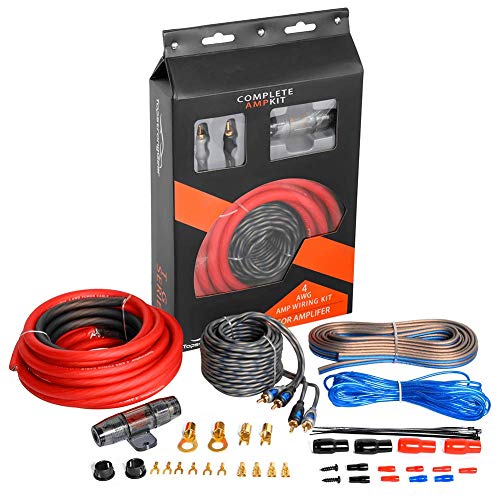
7. BOSS Audio Systems KIT2 Wiring Kit
Best for: Safe and clean installation
Price range: Budget
Not exciting—but essential.
Bad wiring ruins good audio. This kit handled power delivery cleanly without overheating.


Pros:
- Complete kit
- Decent cable quality
- Easy to work with
Cons:
- Not premium cables
- Fine for most setups
Affiliate link:
See on Amazon
Comparison: Which One’s Right for You?
| Product | Type | Price Range | Best For |
|---|---|---|---|
| Pioneer DMH-1770NEX | Head Unit | Mid | Full upgrade |
| JBL GTO629 | Speakers | Affordable | Factory replacement |
| Rockford Fosgate R500X1D | Amplifier | Mid | Subwoofer power |
| Alpine S-S50 | Speakers | Mid | Sound clarity |
| Kenwood KDC-X704 | Head Unit | Mid | Audio tuning |
| Skar EVL-10 | Subwoofer | Affordable | Bass |
| BOSS KIT2 | Wiring | Budget | Install safety |
Common Questions Answered
What is the most important car audio upgrade?
Upgrading the head unit or speakers usually makes the biggest difference.
Do I need an amplifier?
Not always. But amps improve clarity and reduce distortion at higher volumes.
Can I install car audio electronics myself?
Many components are DIY-friendly, but professional installation helps avoid issues.
Are expensive car audio systems worth it?
Sometimes. But smart mid-range upgrades often outperform poorly installed premium gear.
Conclusion
Upgrading your car audio doesn’t need to be complicated—or expensive.
The best car audio electronics in 2026 focus on clarity, balance, and usability, not just raw power. Whether you start with a new head unit, better speakers, or add controlled bass, each upgrade builds on the last.
If you want the biggest improvement fast, start with the Pioneer head unit and JBL speakers. From there, expand based on what you value most—detail, bass, or customization.
So here’s the real question:
What do you want your daily drive to sound like?

Related Posts

The Ultimate Guide to the Best Headphones, Earphones & Accessories—Shop Now!
Finding Audio Gear That Actually Fits Your Life If you’ve ever bought headphones that looked great online but disappointed the moment you put them on, you’re not alone. Choosing the…

SNOO Smart Sleeper Bassinet: The Guide to Better Baby Sleep
Are you a sleep-deprived parent searching for a game-changing solution to soothe your newborn? The SNOO Smart Sleeper Bassinet promises to revolutionize infant sleep with its cutting-edge technology and safety…

Fitness Trackers Compared: 8,500+ Reviews Analyzed
Fitness Trackers Reviewed: Finding the Right Wearable for Your Activity Level Fitness trackers promise to help you move more, sleep better, and understand your health patterns. But with hundreds of…