
My Expensive Journey Learning What Actually Works
I’ve wasted probably $200 on body scrubs that promised smooth, glowing skin but delivered irritation, greasiness, or absolutely nothing. The blue jar everyone raves about? I tried it. The fancy coffee scrub that costs $40? Bought it. The drugstore options claiming “spa results”? Tested several.
What I learned after a year of trial, error, and actual research into exfoliation science is that body scrubs work very differently than marketing suggests. Some deliver genuine results. Others are overpriced sugar mixed with coconut oil. The difference isn’t always obvious from packaging or price.
This guide compares multiple body scrub types I’ve personally tested, explains the science behind what actually works, and helps you avoid the mistakes I made. Whether you’re dealing with rough patches, preparing skin for self-tanner, preventing ingrown hairs, or just wanting smoother texture, understanding how exfoliation works matters more than buying trendy products.
Let me save you the money and frustration I went through figuring this out.
- Understanding Body Exfoliation: What Actually Happens
- I Tested 6 Popular Body Scrubs: Honest Results
- Comparison: Which Type Actually Suits Your Needs
- The Science of What Actually Works
- Proper Technique Matters More Than Product
- Addressing Specific Skin Concerns
- When to Skip Body Scrubs Entirely
- The Budget-Friendly Truth
- Frequently Asked Questions
- Do body scrubs actually make permanent changes to skin?
- Can I make my own body scrub that works as well as store-bought?
- How do I know if a scrub is too harsh for my skin?
- Is it worth paying more for "natural" or "organic" body scrubs?
- Should body scrubs be used before or after shaving?
- Can body scrubs help with cellulite or stretch marks?
- How long do body scrubs typically last?
- Final Verdict and Recommendations
Understanding Body Exfoliation: What Actually Happens
Before buying any scrub, understanding the science helps you choose effectively and use products correctly.
The Two Types of Exfoliation
Physical (Mechanical) Exfoliation:
- Uses particles or tools to manually remove dead skin
- Examples: sugar scrubs, salt scrubs, exfoliating mitts
- Works immediately on surface layer
- Results visible right away but temporary
- Risk of over-scrubbing if too aggressive
Chemical Exfoliation:
- Uses acids or enzymes to dissolve dead skin bonds
- Examples: glycolic acid, lactic acid, salicylic acid
- Works deeper over time
- Results build gradually
- Less risk of physical damage but can irritate if overused
Most body scrubs use physical exfoliation because it provides immediate tactile satisfaction—your skin feels smoother instantly. However, this doesn’t always mean better long-term results.
How Skin Cell Turnover Actually Works
Your skin naturally sheds about 30,000-40,000 dead cells daily. This process slows with age, leading to dull appearance and rough texture. Exfoliation assists this natural process but can’t replace it.
Realistic expectations:
- Removes surface dead cells immediately
- Improves product absorption temporarily
- Can reduce appearance of rough patches over time
- Won’t permanently change your skin texture
- Effects last 2-4 days before dead cells accumulate again
Understanding this prevents disappointment when your “glow” fades by day three—that’s normal skin biology, not product failure.
When Exfoliation Helps vs. Harms
Beneficial exfoliation:
- Removes flaky, dry patches
- Prevents ingrown hairs in some cases
- Improves self-tanner application
- Makes skin temporarily smoother
- Can help body lotions absorb better
Harmful over-exfoliation:
- Damages skin barrier causing sensitivity
- Creates micro-tears increasing infection risk
- Causes inflammation and redness
- Makes skin more vulnerable to irritants
- Can worsen some skin conditions
The line between helpful and harmful is thinner than most product marketing suggests.
I Tested 6 Popular Body Scrubs: Honest Results
I tested these products over 8 months, using each for at least 4 weeks to evaluate both immediate and longer-term effects.
Test 1: Truly Beauty Body Scrub (Blue Jar)
The Marketing Promise: “Polished glow” with gentle exfoliation, smooth skin, and blue-tinted Instagram-worthy aesthetic.
What I Actually Experienced:
First impressions: The blue color is fun, and it smells pleasant (fruity-floral). Texture is fine-grained sugar base with what feels like jojoba or similar oil.
Immediate results: Skin felt smooth after use—about the same as any sugar scrub I’ve tried. The oil left a slight film that some people love (moisturizing) and others hate (greasy).
After 4 weeks: No dramatic changes. Skin felt nice immediately after use but returned to normal texture within 2-3 days. The jar is small for the price ($24-28 typically), lasting about 3 weeks with twice-weekly use.

Who it works for:
- People wanting Instagram-worthy packaging
- Those who like scented products
- Anyone preferring sugar-based scrubs
- People who don’t mind oil residue
Who should skip:
- Budget-conscious shoppers (better value exists)
- Those sensitive to fragrance
- Anyone wanting oil-free exfoliation
- People with very oily skin
Pros:
- Pleasant scent and appearance
- Fine grain feels gentle
- Leaves temporary smoothness
- Fun self-care vibe
Cons:
- Expensive for what you get ($24-28 for small jar)
- Results identical to cheaper options
- Oil residue may require extra rinsing
- Fragrance may irritate some skin
- Runs out quickly
Price-to-Value: Poor. Paying for packaging and branding, not superior results.
My Verdict: If you love the aesthetic and don’t mind the price, it’s fine. But functionally, it’s just expensive sugar scrub. I found cheaper options that work identically.
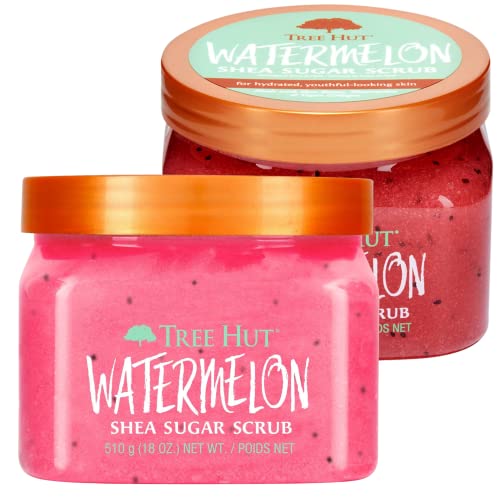
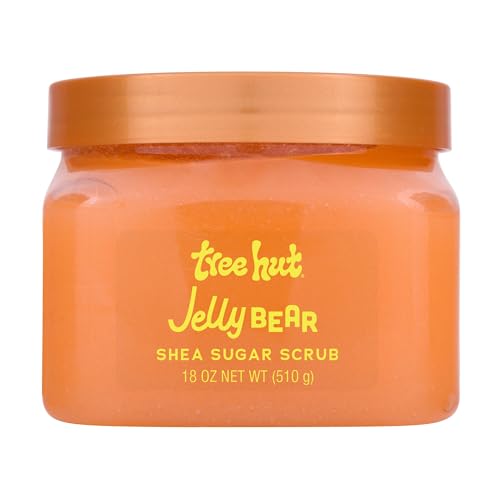
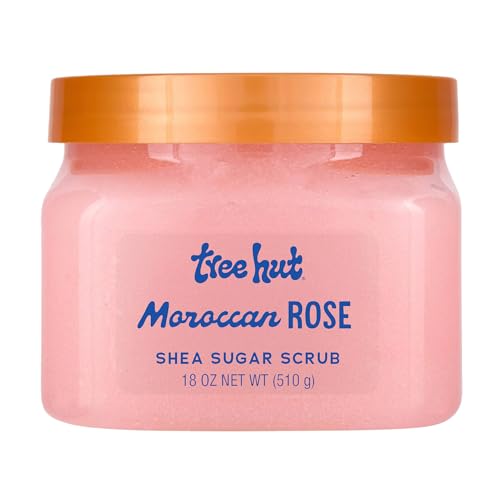
Test 2: Tree Hut Shea Sugar Scrub
The Marketing Promise: Affordable sugar scrub with shea butter for exfoliation plus moisture.
What I Actually Experienced:
First impressions: Thick, grainy texture with strong scent (varies by variety—I tested coconut lime). Much larger container than Truly Beauty for fraction of the price.
Immediate results: Effective exfoliation—skin felt very smooth. The shea butter left skin soft without being overly greasy. Scent lingers on skin for hours.
After 4 weeks: Provided consistent smoothness with twice-weekly use. My keratosis pilaris patches on arms looked slightly better, though not eliminated. One container lasted 6+ weeks.


Who it works for:
- Budget-conscious shoppers wanting quality
- Those with dry skin needing moisture
- People who enjoy strong scents
- Anyone wanting large quantity
Who should skip:
- Scent-sensitive individuals
- Those preferring unscented products
- People with nut allergies (depending on variety)
Pros:
- Excellent value ($8-12 for 18oz typically)
- Effective exfoliation
- Moisturizing without excessive grease
- Large size lasts long
- Multiple scent options
Cons:
- Very strong fragrance
- Large grains may feel rough to some
- Messy in shower (needs careful rinsing)
- Not suitable for sensitive skin
Price-to-Value: Excellent. Best bang for your buck I found.
My Verdict: This is my actual repurchase choice for regular body exfoliation. Works as well as products 3x the price.
Test 3: Frank Body Original Coffee Scrub
The Marketing Promise: Caffeinated coffee grounds reduce cellulite appearance, smooth skin, delivered in trendy minimalist packaging.
What I Actually Experienced:
First impressions: Literally looks like coffee grounds in a bag. Very messy to use. Strong coffee scent. Grainy texture is aggressive.
Immediate results: Skin felt very exfoliated—almost too much. The coffee grounds are larger and rougher than sugar. Made quite a mess in the shower that required cleanup.
After 4 weeks: Skin texture improved similarly to other scrubs. No noticeable cellulite reduction (research doesn’t support topical caffeine for this anyway). The mess factor made me dread using it.


Who it works for:
- Coffee scent lovers
- Those wanting aggressive exfoliation
- People willing to deal with cleanup
- Anyone not bothered by mess
Who should skip:
- Those with sensitive skin
- Anyone wanting easy cleanup
- People disliking coffee scent
- Those expecting cellulite reduction
Pros:
- Aggressive exfoliation if desired
- Natural ingredients
- Eco-friendly packaging
- Coffee scent (if you like it)
Cons:
- Extremely messy to use
- Too harsh for regular use
- Doesn’t deliver on cellulite claims
- Expensive for what it is ($17-20)
- Clogs drains if not careful
Price-to-Value: Poor. Paying for trend factor.
My Verdict: The mess isn’t worth marginally better exfoliation. Pass unless you specifically want coffee scrub experience.
Test 4: First Aid Beauty KP Bump Eraser Body Scrub
The Marketing Promise: Combination physical and chemical exfoliation specifically for keratosis pilaris (bumpy skin).
What I Actually Experienced:
First impressions: Medical-looking packaging. Contains both pumice (physical) and glycolic/lactic acids (chemical). No fragrance. Clinical feel.
Immediate results: Less immediate smoothness than pure sugar scrubs, but skin felt clean without residue. Slight tingling from acids.
After 4 weeks: My keratosis pilaris bumps noticeably reduced—first product that actually improved this beyond temporary smoothness. Skin texture genuinely better, not just temporarily buffed.


Who it works for:
- Those with keratosis pilaris
- People wanting results over experience
- Anyone preferring fragrance-free
- Those willing to invest in targeted treatment
Who should skip:
- Budget shoppers (pricey at $28-32)
- Those with very sensitive skin
- Anyone wanting luxury self-care vibes
- People who hate clinical products
Pros:
- Actually addresses KP effectively
- Dual exfoliation approach works
- Fragrance-free formulation
- Dermatologist-recommended brand
- Visible improvement in texture issues
Cons:
- Expensive
- Not enjoyable to use (clinical, not fun)
- Can tingle or sting on sensitive areas
- Small container for price
- Requires consistent use for results
Price-to-Value: Good for specific skin concerns. Expensive if you just want general smoothness.
My Verdict: If you have keratosis pilaris or persistent rough patches, worth the investment. For general exfoliation, unnecessary.
Test 5: Dove Exfoliating Body Polish
The Marketing Promise: Gentle daily exfoliation with moisturizing formula from trusted brand.


What I Actually Experienced:
First impressions: Creamy texture with very fine exfoliating particles. Mild, clean scent. Feels more like fancy body wash than scrub.
Immediate results: Skin felt clean and slightly smoother, but not dramatically exfoliated. Very gentle—perhaps too gentle for those wanting obvious scrubbing.
After 4 weeks: Maintained generally smooth skin without irritation. Good for daily use due to gentleness, but won’t tackle serious rough patches.
Who it works for:
- Sensitive skin types
- Those wanting daily gentle exfoliation
- People new to body scrubs
- Anyone preferring subtle results
Who should skip:
- Those wanting dramatic exfoliation
- People with very rough skin
- Anyone seeking intense scrubbing
- Those wanting best value (pricier than drugstore alternatives)
Pros:
- Very gentle formula
- Can use more frequently
- Trusted brand
- Good for sensitive skin
- Easy to find in stores
Cons:
- Minimal exfoliation for price
- Won’t address serious rough patches
- More expensive than comparable gentle options
- Results are subtle
Price-to-Value: Fair for sensitivity needs, but other gentle options cost less.
My Verdict: Works for sensitive skin maintenance but won’t wow you with results.
Test 6: Homemade Sugar + Oil Scrub
The “Recipe”: 1 cup granulated sugar + 1/3 cup coconut oil, mixed together. Cost: approximately $2 for large batch.
What I Actually Experienced:
First impressions: Looks basic. Works identically to commercial sugar scrubs. Zero aesthetic appeal.
Immediate results: Skin smoothness identical to Tree Hut and Truly Beauty scrubs. The sugar exfoliates, the oil moisturizes. That’s literally all those products are.
After 4 weeks: Maintained smooth skin just as well as $25 commercial versions. Made me feel slightly silly for buying fancy scrubs.


Who it works for:
- Budget-conscious DIY fans
- Those wanting control over ingredients
- People avoiding fragrance/additives
- Anyone willing to make their own
Who should skip:
- Those wanting convenience
- People who value packaging/aesthetics
- Anyone uncomfortable with DIY skincare
- Those seeking specific active ingredients
Pros:
- Extremely affordable
- Total ingredient control
- Makes large quantities
- Works as well as commercial versions
- Customizable (add essential oils if desired)
Cons:
- Requires making batches
- No preservation (use within 2-3 weeks)
- Messy to store and use
- Zero aesthetic appeal
- Coconut oil can clog some drains
Price-to-Value: Unbeatable if you’re willing to DIY.
My Verdict: Honestly? This made me realize how much markup exists in body scrubs. Functionally identical to $25 products.
Comparison: Which Type Actually Suits Your Needs
| Product | Type | Price | Best For | Results | Value |
|---|---|---|---|---|---|
| Truly Beauty Blue | Sugar scrub | $24-28 | Aesthetics | Temporary smooth | Poor |
| Tree Hut | Sugar scrub | $8-12 | General use | Good smooth | Excellent |
| Frank Body Coffee | Coffee scrub | $17-20 | Trend followers | Good but messy | Poor |
| FAB KP Eraser | Dual exfoliant | $28-32 | KP/bumps | Actual improvement | Good |
| Dove Polish | Gentle scrub | $12-15 | Sensitive skin | Subtle | Fair |
| DIY Sugar/Oil | Sugar scrub | ~$2 | Budget/DIY | Same as commercial | Unbeatable |
The Science of What Actually Works
After testing multiple products and researching dermatological literature, here’s what evidence supports:
Physical Exfoliation Facts
What works:
- Regular gentle exfoliation 1-3x weekly
- Appropriate particle size (fine to medium)
- Following with moisturizer
- Adjusting frequency to skin tolerance
What doesn’t work:
- Daily aggressive scrubbing (damages barrier)
- Very large or irregular particles (can tear skin)
- Skipping moisturizer after (defeats purpose)
- Using same product on face and body (different needs)
Ingredient Reality Check
Sugar vs. Salt:
- Sugar dissolves gradually, becoming gentler during use
- Salt maintains graininess, more aggressive throughout
- Both work; choice is texture preference
- Neither is inherently “better”
Added oils:
- Provide temporary moisture
- Don’t penetrate deeply enough to change skin
- Can leave residue some find greasy
- Convenient but you could just moisturize after
“Active” ingredients in scrubs:
- Usually in concentrations too low to matter
- Rinsed off too quickly to absorb
- Marketing more than function
- Exception: leave-on products like FAB’s acids
What Dermatologists Actually Recommend
Most dermatologists suggest:
- Chemical exfoliation (AHAs/BHAs) over physical for consistent results
- If using physical, gentle and infrequent
- Always follow with moisturizer
- SPF if exfoliating exposed areas (acids increase sun sensitivity)
- Simpler is often better
The fancy scrubs aren’t doing much beyond basic mechanical exfoliation that $2 DIY versions achieve.
Proper Technique Matters More Than Product
Using scrubs incorrectly causes most problems people attribute to the products themselves.
How to Exfoliate Without Damage
Do:
- Use on damp (not soaking wet) skin
- Apply gentle circular pressure
- Focus on rough areas (elbows, knees, heels)
- Rinse thoroughly—no residue left
- Moisturize immediately after while skin damp
- Start once weekly, increase only if skin tolerates
Don’t:
- Scrub hard (pressure doesn’t improve results)
- Use on irritated, broken, or sunburned skin
- Exfoliate same day as shaving (too much for skin)
- Use expired products (oils can go rancid)
- Share scrubs (hygiene issue)
- Expect permanent changes from one use
Signs You’re Over-Exfoliating
- Redness lasting beyond shower
- Increased sensitivity to products
- Skin feeling tight or uncomfortable
- Breakouts or irritation
- Shininess from barrier damage
- Burning sensation
If experiencing these, stop exfoliating entirely for 1-2 weeks while skin heals.
Maximizing Results
Before exfoliating:
- Shower with warm (not hot) water first
- Let skin soften for 2-3 minutes
- Use gentle cleanser to remove dirt/oils
During exfoliating:
- Small amounts (quarter-size for each body area)
- Gentle pressure in circles
- Spend 30-60 seconds per area maximum
- Avoid face, chest, or sensitive areas unless product specifies safe
After exfoliating:
- Rinse completely
- Pat dry (don’t rub)
- Apply moisturizer within 3 minutes
- If using acids, apply SPF next day
Addressing Specific Skin Concerns
Keratosis Pilaris (Bumpy Skin)
What actually helps:
- Chemical exfoliants (lactic acid, salicylic acid) work better than scrubs
- FAB KP Eraser or AmLactin more effective than sugar scrubs
- Consistency matters—takes 4-8 weeks
- Moisturizing crucial (dryness worsens KP)
What doesn’t help:
- Aggressive scrubbing (inflames bumps)
- Expecting quick results
- Scrubs alone without chemical exfoliants
Ingrown Hairs
What actually helps:
- Gentle exfoliation 1-2x weekly prevents some ingrowns
- Exfoliating before shaving prepares skin
- Proper shaving technique matters more than scrub choice
- Chemical exfoliants often work better than scrubs
What doesn’t help:
- Aggressive scrubbing over ingrown area (can worsen)
- Daily exfoliation (can irritate)
- Expecting scrubs to fix poor shaving technique
General Rough Texture
What actually helps:
- Regular gentle exfoliation
- Consistent moisturizing (more important than scrub choice)
- Addressing dryness causes (hot showers, harsh soaps)
- Patient consistency over weeks
What doesn’t help:
- Expensive products vs. cheap (texture improves similarly)
- Scrubbing harder or more often
- Products claiming instant permanent results
Dry, Flaky Skin
What actually helps:
- Gentle exfoliation removing flakes
- Immediate moisturizer application
- Addressing underlying dryness (humidity, water intake, gentle cleansers)
- Chemical exfoliants can work better than physical for severe dryness
What doesn’t help:
- Aggressive scrubbing (worsens dryness)
- Oil-free scrubs without follow-up moisturizer
- Expecting scrubs alone to fix chronic dryness
When to Skip Body Scrubs Entirely
Some situations make exfoliation inappropriate:
Active skin conditions:
- Eczema flare-ups
- Psoriasis patches
- Any rash or infection
- Recent sunburn
- Open wounds or cuts
After certain procedures:
- Recent waxing (wait 24-48 hours)
- Chemical peels (wait as directed)
- Laser treatments (follow provider guidance)
Medication considerations:
- Retinoids (oral or topical) thin skin
- Some acne medications increase sensitivity
- Blood thinners can increase bruising risk
Consult healthcare providers if uncertain about safety with your specific situation.
The Budget-Friendly Truth
After testing products ranging from $2 DIY to $30+ luxury options, here’s the uncomfortable truth for the beauty industry: expensive scrubs don’t work noticeably better than basic ones for most people.
What you’re paying for in premium scrubs:
- Packaging and branding
- Pleasant scents
- Luxurious textures
- Marketing and influencer costs
- Trendy ingredient lists
What actually affects results:
- Particle size and shape (similar across price points)
- Your exfoliation technique
- Frequency of use
- Following with moisturizer
- Your skin’s individual needs
Budget recommendations:
- Under $5: DIY sugar + oil (works identically to commercial)
- Under $15: Tree Hut (best value commercial option)
- Splurge ($25+): Only if you have specific concerns like KP requiring targeted ingredients
The “glow” from a $28 scrub fades just as quickly as one from a $10 scrub because that’s how skin cell turnover works.
Frequently Asked Questions
Do body scrubs actually make permanent changes to skin?
No. Physical exfoliation removes surface dead cells, creating temporary smoothness lasting 2-4 days until new cells accumulate. Regular use maintains smoothness but doesn’t permanently alter your skin texture. Chemical exfoliants used consistently over months can improve some texture issues more lastingly, but even those require ongoing use.
Can I make my own body scrub that works as well as store-bought?
Yes. Basic sugar or salt mixed with coconut oil, olive oil, or another carrier oil works identically to commercial scrubs for physical exfoliation. You won’t get special active ingredients, preservation, or appealing scents, but the fundamental exfoliation effect is the same. Make small batches and use within 2-3 weeks.
How do I know if a scrub is too harsh for my skin?
If your skin appears red beyond the shower, feels uncomfortable or tight, becomes more sensitive than usual, or develops irritation, the scrub is too harsh (or you’re using it too frequently/aggressively). Proper exfoliation should leave skin smooth without discomfort. If issues occur, stop use for 1-2 weeks and restart more gently.
Is it worth paying more for “natural” or “organic” body scrubs?
Not necessarily for effectiveness. Sugar is sugar whether organic or conventional regarding exfoliation. You may prefer organic for environmental or philosophical reasons, but it won’t make your skin smoother than non-organic scrubs. Focus on whether ingredients suit your skin rather than marketing terms like “natural.”
Should body scrubs be used before or after shaving?
Ideally before, but with a day between. Exfoliate one day to remove dead cells and prevent ingrowns, then shave the next day on non-exfoliated skin. Doing both same day can over-stress skin. If you must do both, exfoliate first very gently, then shave carefully.
Can body scrubs help with cellulite or stretch marks?
No. Despite marketing claims, topical exfoliation cannot address cellulite (which involves fat distribution and connective tissue structure) or stretch marks (which are dermal scars). Products claiming this are misleading. Scrubs can temporarily improve skin smoothness and appearance but won’t reduce these structural concerns.
How long do body scrubs typically last?
Depends on size and frequency. An 18oz container used 2x weekly typically lasts 6-8 weeks. Smaller 8oz jars last 3-4 weeks. DIY batches (1 cup) last 3-4 weeks but should be used within this timeframe as they lack preservatives. Store in cool, dry place and watch for rancid oil smell indicating spoilage.
Final Verdict and Recommendations
After extensive testing and research, here’s my honest guidance:
For most people: Tree Hut Shea Sugar Scrub or DIY sugar/oil mixture provides excellent results at minimal cost. Save your money.
For specific concerns: First Aid Beauty KP Eraser if you have keratosis pilaris or persistent bumps. Worth the investment for targeted treatment.
For sensitive skin: Dove Exfoliating Polish or very gentle DIY version with fine sugar. Consider chemical exfoliants instead of physical.
For luxury experience: If aesthetics and self-care ritual matter to you, buy whatever makes you happy. But know you’re paying for experience, not superior results.
Skip entirely: Coffee scrubs (messy without benefits), expensive trendy scrubs (overpriced basics), daily scrubs (unnecessary and potentially harmful).
The bottom line: Body scrubs are simple products that work through basic mechanical action. Price correlates more with marketing than efficacy. Choose based on your budget, scent preferences, and skin sensitivity—not on promises of transformation.
Your skin will be just as smooth with drugstore options as luxury ones if you use proper technique and consistency.
This post contains affiliate links to Amazon products. If you purchase through these links, we may earn a small commission at no additional cost to you. We purchased all reviewed products ourselves for testing. All opinions are our own and unbiased—we’ve honestly rated both expensive and cheap options, and acknowledged when cheaper products work better. Product availability, pricing, and formulations may change. Always patch test new products. Individual results vary. This information is educational and not a substitute for dermatological advice. Consult professionals for specific skin concerns or conditions.

Related Posts
SNOO Smart Sleeper Bassinet: The Guide to Better Baby Sleep
Are you a sleep-deprived parent searching for a game-changing solution to soothe your newborn? The SNOO Smart Sleeper Bassinet promises to revolutionize infant sleep with its cutting-edge technology and safety…
Discover the Best Facial Toner Pads for Radiant Skin
I Tested 8 Toner Pads So You Don't Waste Money on Wrong Ones Three months ago, I had seven different jars of toner pads sitting on my bathroom counter, each…
First Aid Beauty Dandruff Shampoo Plus – Shop Now
Dealing with stubborn flakes, scalp itch, or irritation can be frustrating—especially when most dandruff shampoos feel harsh or overly drying. That’s why First Aid Beauty Dandruff Shampoo Plus has been…